
Diplomatic Progress Between US and Iran
Recent negotiations in Switzerland have led to a significant development in relations between the United States and Iran. Iran's chief negotiator, Mohammad Bagher Ghalibaf, announced an agreement with the U.S. that facilitates the release of $12 billion in frozen Iranian funds. This move comes as the U.S. has temporarily lifted sanctions on Iranian oil for a period of 60 days. The gesture from Washington follows Tehran's commitment to reinstate international nuclear inspectors within the country, a crucial step in ongoing efforts to de-escalate regional tensions.
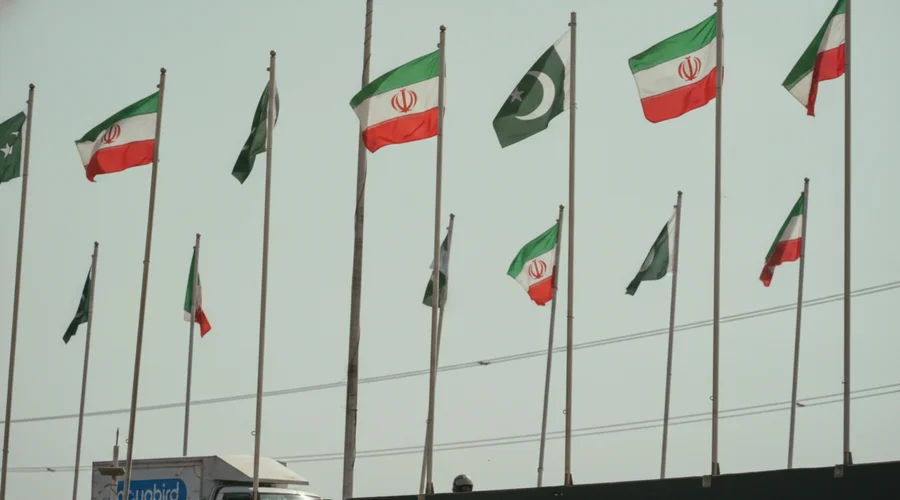
Iranian Foreign Minister Abbas Araghchi and President Masoud Pezeshkian are currently on an official visit to Islamabad, Pakistan, after Araghchi's earlier stop in Muscat, Oman. These diplomatic engagements signify Iran's continued efforts to strengthen international ties and discuss regional stability. Deputy Foreign Minister Kazem Gharibabadi indicated that technical discussions with the U.S. have concluded, paving the way for further high-level talks involving key figures from both nations.
Ghalibaf commended the recent achievements in the US-Iran discussions, confirming the unfreezing of two separate tranches of $6 billion each. The U.S. Treasury Department's waiver on sanctions for Iranian crude oil, petrochemicals, and petroleum products is effective until August 21. Meanwhile, Omani Foreign Minister Badr Albusaidi reiterated a commitment to ensuring 'toll-free passage' through the Strait of Hormuz after discussions with Iranian diplomats in Muscat.
Henry Ensher, a former U.S. ambassador, suggested that both the release of frozen Iranian assets and the recommitment to maritime traffic in the Strait of Hormuz indicate that both Washington and Tehran are achieving their respective objectives. He noted that both sides are keen to demonstrate that they are not being exploited and are gaining favorable outcomes from the negotiations.
Internal Reactions and International Statements
Iranian President Pezeshkian emphasized the importance of 'full commitment to agreed obligations,' stating that the success of the talks hinges on the precise implementation of these agreements. Ghalibaf defended the decision to engage in talks with the U.S., asserting that the primary goal was to end the violence in Lebanon. However, Central Bank of Iran Governor Abdolnaser Hemmati refuted claims made by U.S. President Donald Trump that the released Iranian funds would be used to purchase American agricultural products. Hemmati clarified that Iran is not obligated to buy U.S. farm products and that the initial $6 billion is designated for the acquisition of 'basic goods and medicine.'
In the United States, President Trump declared that the Strait of Hormuz would remain open without a naval blockade, though he affirmed that naval assets would remain in position if necessary. Trump also stated his expectation that Iran would agree to weapons inspections and that any unfrozen assets would be used for U.S. produce. However, Democrats on the U.S. House of Representatives Foreign Affairs Committee criticized Trump, alleging that he granted Iran sanctions relief without sufficient progress on critical issues such as Tehran's nuclear program and its support for regional proxies. They argued that such relief, without addressing key concerns, benefits the Iranian regime significantly.
Escalating Tensions in Southern Lebanon
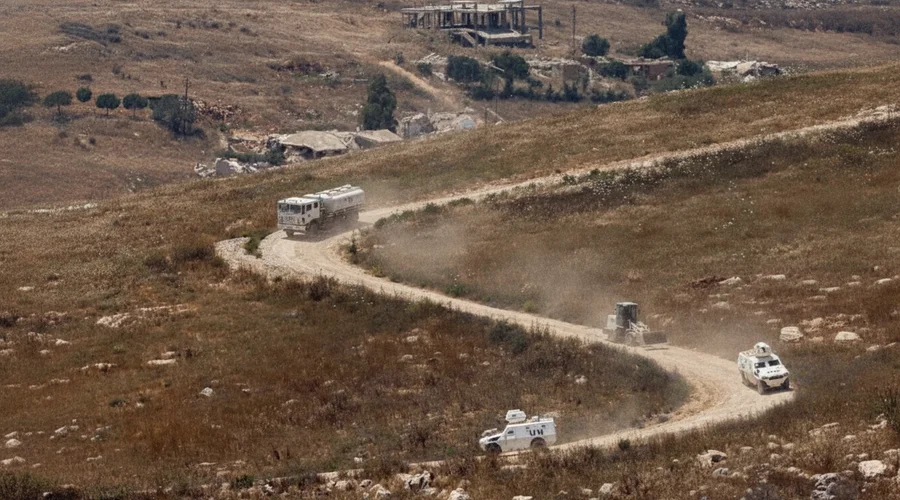
Despite diplomatic overtures concerning Iran, the situation in southern Lebanon remains volatile. Israeli forces reportedly opened fire in the Lebanese town of Nabatieh al-Fawqa, resulting in two fatalities and one injury. This incident occurred shortly after the United Nations reported that its peacekeepers had detected no air attacks in Lebanon for the first time since March 2, the date marking a significant escalation in the conflict between Israel and Hezbollah, which began two days after the US-Israel war on Iran started.
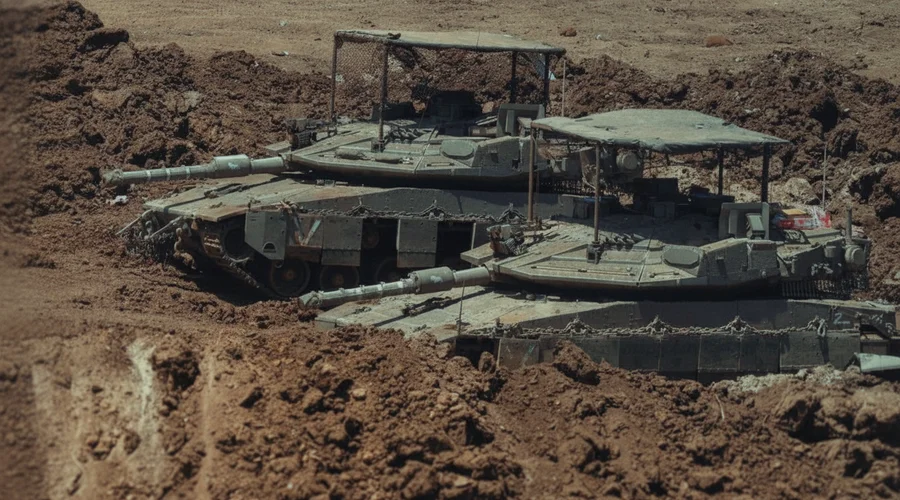
Hezbollah, the Lebanese political party and militant group, condemned the Israeli attack on civilians in southern Lebanon as a 'blatant violation' of the ceasefire. Mahmoud Qamati, deputy head of Hezbollah's political council, warned that the group is prepared to respond to any Israeli infringements of the ceasefire, asserting that Hezbollah remains 'fully alert with its finger on the trigger.' Conversely, Israeli Prime Minister Benjamin Netanyahu, Defence Minister Israel Katz, and Chief of the General Staff Eyal Zamir affirmed that Israeli troops would continue their occupation of southern Lebanon. They stated that the Israeli military would persist in its efforts to 'neutralize threats against our soldiers and our citizens' and to dismantle Hezbollah's infrastructure. Furthermore, they confirmed the military's intent to 'maintain the security zone in southern Lebanon,' referring to areas where Israel has reportedly razed buildings and displaced a substantial number of people. A new round of direct talks between Israel and Lebanon is scheduled to commence in Washington, D.C.
Source: Original Article
Related Articles
 world
world
France Experiences Record Heatwave Amidst Tragic Drowning Incidents
 world
world
UN Inquiry Alleges Deliberate Harm to Palestinian Children in Gaza, Citing Potential Genocide
 world
world
Iran-US Technical Discussions in Switzerland Conclude Successfully, Paving Way for Further Negotiations
 world
world