
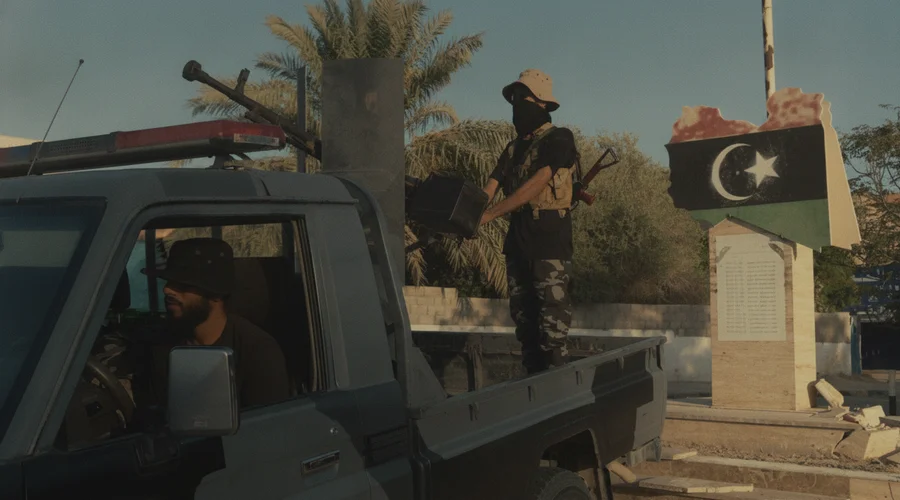
Libya's Political Landscape at a Crossroads
Libya's protracted political crisis has reached a pivotal moment, marked by a surge in regional diplomatic and intelligence activities. A recent initiative, championed by the United States, seeks to bridge the country's institutional divide and consolidate its executive powers. This proposal has garnered considerable attention, particularly in eastern Libya, effectively shifting the onus onto factions in the western part of the nation to respond.
Massad Boulos, a US presidential adviser for Middle Eastern and African affairs, is spearheading this plan. Its core tenets include the formation of a unified government, the integration of various state institutions, and the encouragement of American investments in the oil sector. While Boulos frames the initiative as a complementary effort to ongoing United Nations endeavors, it has ignited a vigorous debate regarding Washington's capacity to successfully reconcile Libya's entrenched divisions. Skeptics question whether this plan will genuinely resolve the crisis or merely add to a long history of unsuccessful peace attempts.
Tripoli's Response and Eastern Support
The previously quiet political scene in western Libya was disrupted on June 21 when Abdul Hakim Belhaj, an influential political figure and former commander of the Tripoli Military Council, publicly endorsed the US initiative. Belhaj, who leads the al-Watan Party, urged the Tripoli-based Government of National Unity (GNU) to articulate its official stance on the proposal. He characterized the US plan as a valuable "opportunity to accelerate reaching political solutions that end the current state of political division," emphasizing the need for any resolution under present circumstances to prioritize what is "possible and acceptable" over what might be "perfect but impossible."
Despite a reduced political profile in recent years, Belhaj's endorsement carries substantial symbolic weight in western Libya. His statement follows weeks after military commander Khalifa Haftar's eastern-based forces and over 100 members of the eastern-based House of Representatives (HoR) expressed their support for the American plan. Aisha al-Tabalqi, a member of the HoR, indicated that the US initiative stands out due to its reliance on an understanding between the two primary factions holding significant influence on the ground. She suggested that the emergence of supportive voices in the West could bolster the initiative's prospects for broader acceptance.
However, the true breadth of support for the initiative remains a point of contention. Mohammed al-Maazab, a member of the High Council of State (HCS), disclosed that several HoR members privately informed him their names had been added to the list of supporters without their prior consent. Al-Maazab dismissed Belhaj's endorsement as an attempt to "present himself as a party that can be part of any future political arrangements," labeling it a "leap in the air that will not significantly affect the balance of power."
Scrutiny of the American Proposal
The operational aspects of the American proposal have drawn considerable scrutiny from Libyan analysts. Concerns have been raised that the initiative might inadvertently solidify a prolonged power-sharing arrangement rather than truly paving the way for democratic governance. During a recent episode of Al Jazeera Arabic’s 'Beyond the News' (Ma Wara’ al-Khabar), political analyst Abdulsalam al-Rajhi criticized the effort, contending that it more closely resembles a "deal than an initiative."
Al-Rajhi posited that Boulos, who is perceived as lacking extensive diplomatic experience, might be seeking a swift geopolitical success. He argued that "The problem facing Boulos’s deal is that it is designed around specific individuals." Al-Rajhi cited widespread leaks suggesting the plan aims to install Saddam Haftar, son of eastern commander Khalifa Haftar, as the head of a new Presidential Council, and Ibrahim Dbeibah, nephew of current GNU Prime Minister Abdul Hamid Dbeibah, as the new prime minister. Al-Rajhi further highlighted that both individuals were implicated in a recent UN Panel of Experts report detailing illicit oil smuggling and financial misappropriation.
Conversely, Senussi Ismail, a political analyst based in Tripoli, argued that despite valid concerns about a potential return to authoritarianism or family rule, the current political impasse necessitates calculated risks. Ismail stated that "The majority view is that there should be positive engagement with Boulos’s initiative," emphasizing that the US plan must integrate with the existing UN roadmap. He underscored that any new unified government must adhere to strict timelines leading directly to presidential and legislative elections, thereby preventing new authorities from clinging to power indefinitely.
William Lawrence, a former US diplomat and professor of international affairs, defended the American involvement. He stated, "The only path Boulos can work on as a first step is finding economic solutions and unifying Libya’s economic institutions." Lawrence added, "I believe he comes with good intentions and is trying to reach a comprehensive, sustainable solution … I do not see any alternative plan at present."
Regional Diplomatic and Intelligence Activities
The discussion surrounding the US initiative is unfolding amidst a backdrop of intensive regional mobilization. Recently, foreign ministers from Egypt, Saudi Arabia, and Turkey convened with Boulos in Cairo to address the Libyan situation. Concurrently, Pakistan’s Ministry of Foreign Affairs announced the establishment of a new "R-4" regional mechanism, comprising Pakistan, Egypt, Saudi Arabia, and Turkey, with the objective of fostering regional stability.
This diplomatic surge has been paralleled by notable intelligence activities within Libya itself:
- In western Libya, Egyptian intelligence chief Hassan Rashad conducted rare talks with GNU Prime Minister Abdul Hamid Dbeibah in Tripoli.
- In eastern Libya, Turkish intelligence chief Ibrahim Kalin visited Benghazi to meet with Saddam Haftar, where discussions focused on institutional unification and enhancing stability.
Faisal Bwalraiga, a national security researcher, observed that these parallel developments reflect an international effort to cultivate an environment conducive to new political arrangements. Bwalraiga noted that "Libya is currently moving between two possibilities: reaching a new political settlement, or rearranging the balance of power between the different parties." He further indicated that Washington perceives its initiative as a tool to bolster the UN track, rather than to replace it.
As of now, the GNU has not issued a formal position on the US plan. Elias al-Barouni, a political analyst, suggested that the government's cautious approach is a calculated move aimed at preserving its political maneuvering space, avoiding divisions within the Western camp, and awaiting Washington's ultimate stance to become clearer.
Source: US push for unified Libyan government tests Tripoli factions
Related Articles
 world
world
ICC Judges Challenge Trump Sanctions, Citing Unlawful Coercion
 world
world
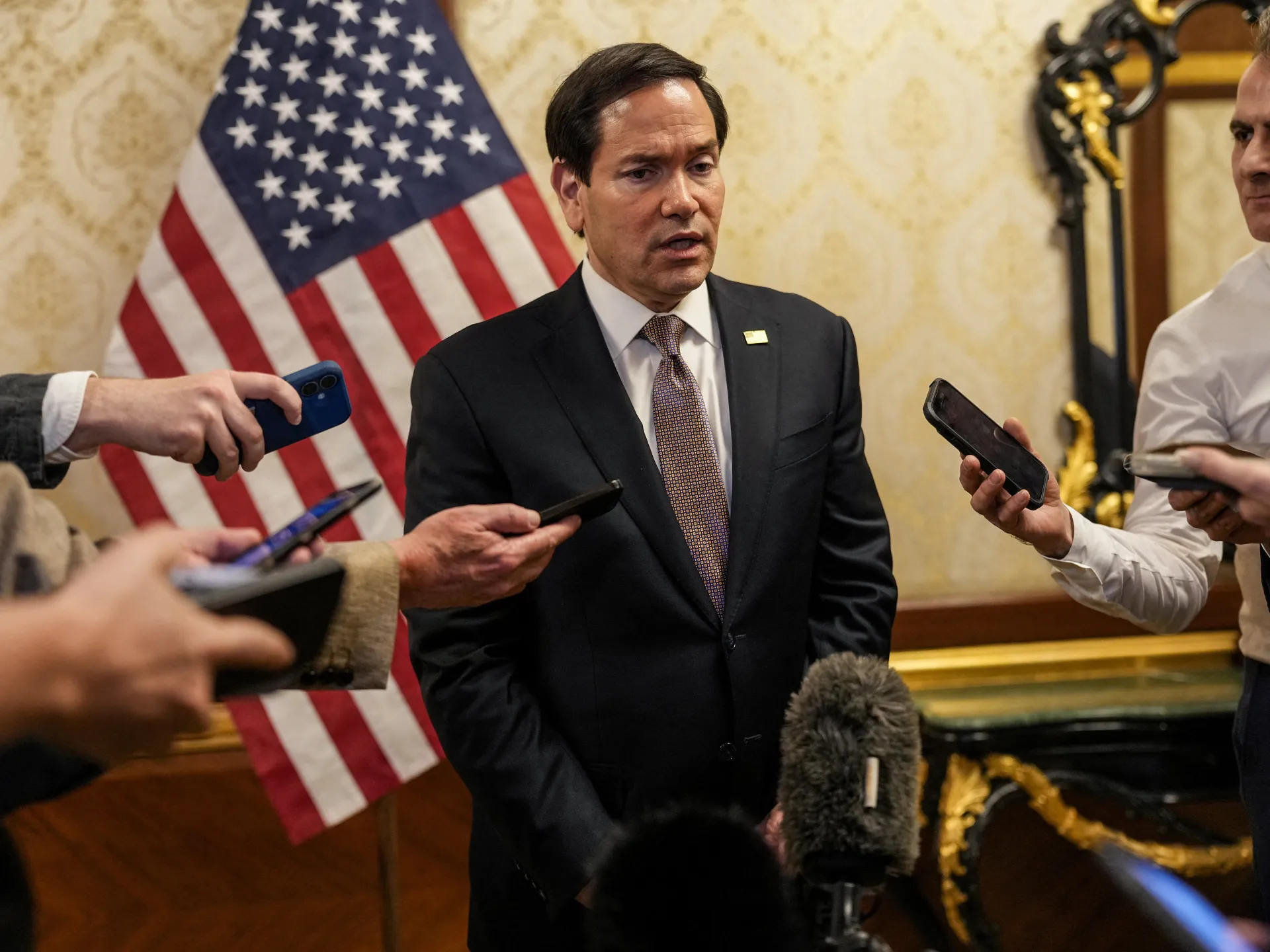
Regional Tensions Escalate: Iran Rejects New Hormuz Route, US Secretary of State Engages GCC Leaders Amidst Broader Conflicts
 world
world
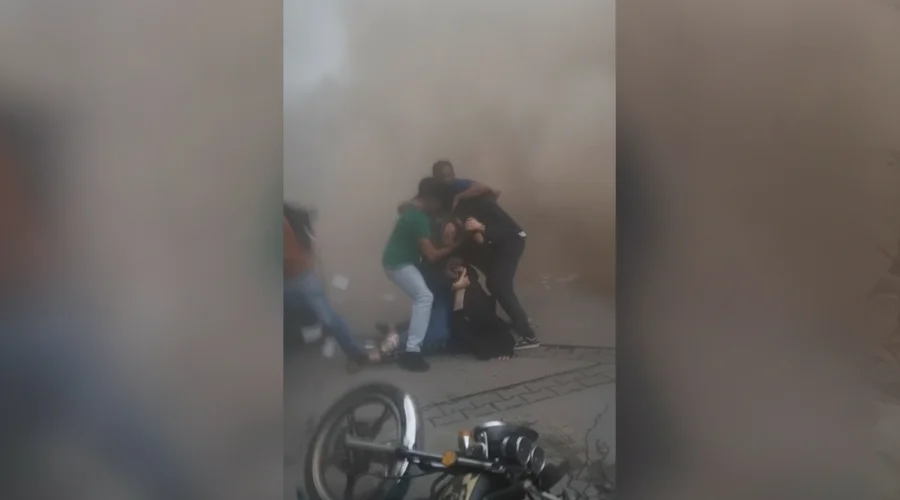
Dual Earthquakes Trigger Widespread Alarm in Venezuela
 world
world