
Seismic Activity Causes Disruption Across Venezuela
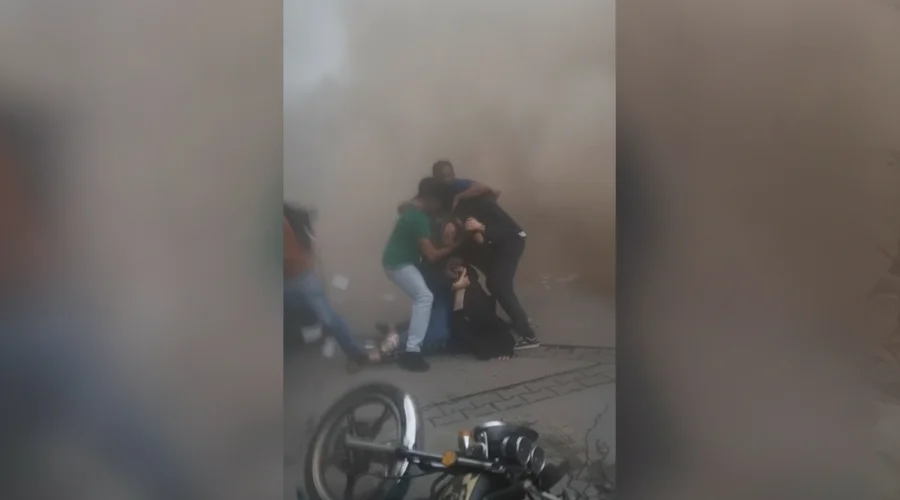
Venezuela was recently impacted by two powerful earthquakes, which generated widespread panic and necessitated immediate safety responses from its populace. The tremors, captured in various forms of media, depicted the initial moments of these seismic events, showing individuals reacting swiftly to the unfolding situation. The primary concern for many was personal safety, prompting rapid evacuations from buildings and public spaces as the ground shook violently.
The events highlight the inherent unpredictability of natural disasters and the critical importance of preparedness. While specific details regarding the magnitude and epicenters of these earthquakes are still being fully assessed, the immediate aftermath clearly indicated a significant disruption to daily life. Residents described a sudden and intense shaking, which quickly escalated into a collective effort to seek secure locations. This type of rapid, instinctual response is common in earthquake zones, where the immediate threat of collapsing structures and falling debris is paramount.
Eyewitness Accounts Detail Chaotic Scenes
Reports from various locations across Venezuela painted a consistent picture of chaos and alarm. Many individuals described being caught completely off guard, with the initial jolt quickly escalating into a sustained shaking motion that made standing difficult. Video footage, which rapidly circulated following the events, visually corroborated these accounts, showing people rushing out of buildings, navigating through streets, and attempting to find open areas away from potential hazards. The urgency in these visuals underscored the severe psychological impact of such events, where the familiar stability of one's surroundings is suddenly and violently undermined.
The tremors were strong enough to cause noticeable structural damage in some areas. While detailed assessments are ongoing, early reports suggested that several buildings sustained varying degrees of damage, ranging from superficial cracks to more significant structural compromises. This immediately raised concerns about the long-term safety of affected structures and the potential for secondary hazards. Authorities are expected to conduct thorough inspections to ascertain the full extent of the damage and to ensure the safety of residents before they return to their homes and workplaces.
Community Response and Safety Measures
In the immediate aftermath of the earthquakes, communities across Venezuela demonstrated resilience and a strong sense of solidarity. Neighbors reportedly assisted each other, and emergency services were quickly mobilized to respond to calls for help. The focus of these initial efforts was on ensuring that everyone was accounted for and that those in immediate danger were moved to safety. This rapid community-level response is often crucial in mitigating the impact of natural disasters, as local knowledge and immediate assistance can be vital before larger-scale aid arrives.
Public safety campaigns and earthquake preparedness drills, which are periodically conducted in seismically active regions, likely played a role in guiding the public's response. While panic was evident, many individuals appeared to follow established safety protocols, such as seeking shelter under sturdy furniture or evacuating to open spaces. These preparedness efforts, though sometimes overlooked in daily life, prove invaluable when an actual emergency strikes, providing a framework for action in moments of extreme stress.
“The ground started shaking violently, and my first thought was to get my family out of the house. It was terrifying, but we knew we had to stay calm and follow what we’ve been taught,” recounted one Caracas resident, emphasizing the blend of fear and learned response.
The incident serves as a stark reminder of Venezuela's location in a seismically active zone. The country is situated near the Caribbean Plate and the South American Plate, making it susceptible to seismic activity. This geological reality necessitates ongoing vigilance and investment in robust building codes and public education to minimize risks. Understanding the regional geology and its implications for seismic hazards is a critical component of national infrastructure planning and disaster management strategies.
Looking Ahead: Recovery and Assessment
As the immediate crisis subsides, the focus will shift towards comprehensive damage assessment and recovery efforts. This will involve evaluating the integrity of buildings, repairing damaged infrastructure, and providing support to affected communities. Psychological support for individuals who experienced the traumatic events will also be a crucial aspect of the recovery process, as the emotional toll of such a sudden and violent natural disaster can be significant and long-lasting.
The Venezuelan government, in conjunction with local authorities and international aid organizations, will likely coordinate these efforts to ensure a swift and effective recovery. Lessons learned from these earthquakes will undoubtedly contribute to refining existing disaster preparedness and response plans, aiming to build greater resilience against future seismic events. The experiences of June 25, 2026, will serve as a poignant reminder of the power of nature and the enduring spirit of human communities in the face of adversity.
Source: Al Jazeera
Related Articles
 world
world
ICC Judges Challenge Trump Sanctions, Citing Unlawful Coercion
 world
world
Regional Tensions Escalate: Iran Rejects New Hormuz Route, US Secretary of State Engages GCC Leaders Amidst Broader Conflicts
 world
world
Iran Issues Warning on Unauthorized Strait of Hormuz Transit
 world
world