Geopolitical Landscape Marked by Disagreement and Diplomacy
The Middle East remains a focal point of international attention, characterized by intricate diplomatic maneuvers, ongoing security concerns, and simmering tensions across various fronts. Recent developments highlight significant disagreements over maritime routes, nuclear inspections, and regional security arrangements, necessitating high-level diplomatic engagements.
Strait of Hormuz: A Contested Maritime Corridor
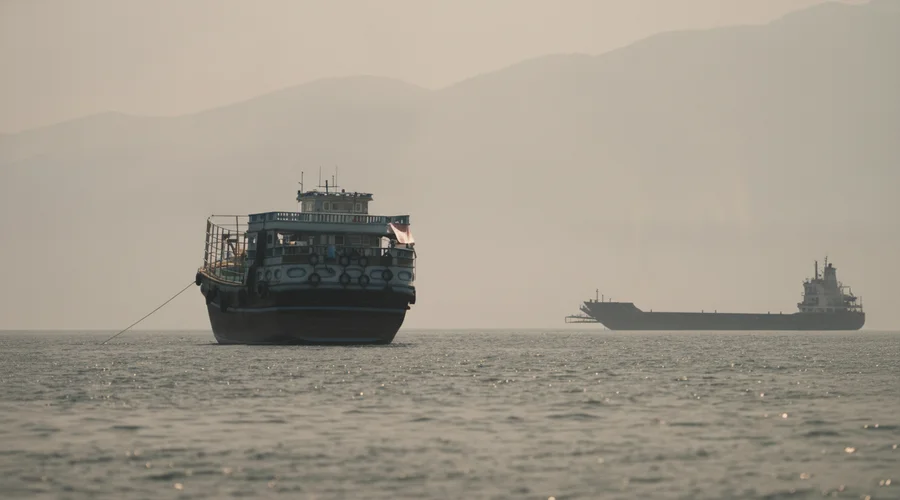
The Strait of Hormuz, a crucial choke point for global oil shipments, has once again become a flashpoint for regional discord. The naval branch of Iran’s Islamic Revolutionary Guard Corps (IRGC) has issued a stern warning to vessels, explicitly rejecting the use of a newly proposed shipping lane through the strait. According to the IRGC, this alternative route was established without Iran’s consent, and any ships attempting to utilize it would face enforcement actions. Tehran insists that all maritime traffic must adhere to corridors officially designated by Iran.
This declaration comes after Oman had reportedly released guidelines for transiting the strait, developed in coordination with the United Nations' International Maritime Organization. The IRGC's stance underscores Iran's assertion of control over the waterway and its perceived sovereignty regarding maritime navigation in the strategic strait. Meanwhile, there have been reports of an easing of shipping restrictions, with five additional South Korean-operated vessels successfully navigating the Strait of Hormuz. South Korea indicated that 13 of its ships continue to operate within the strategic waterway, suggesting some level of continued, albeit cautious, transit.
Nuclear Program: A Sticking Point in US-Iran Relations
The future of Iran’s nuclear program continues to be a central point of contention in its relations with the United States and international bodies. While the head of the International Atomic Energy Agency (IAEA) indicated that its inspectors are prepared to return to Iran's nuclear sites, Tehran has maintained that inspections will only recommence once a comprehensive agreement with the United States is finalized. This highlights a persistent gap in expectations and timelines between the parties involved, complicating efforts towards a lasting resolution.
US Diplomatic Efforts in the Gulf
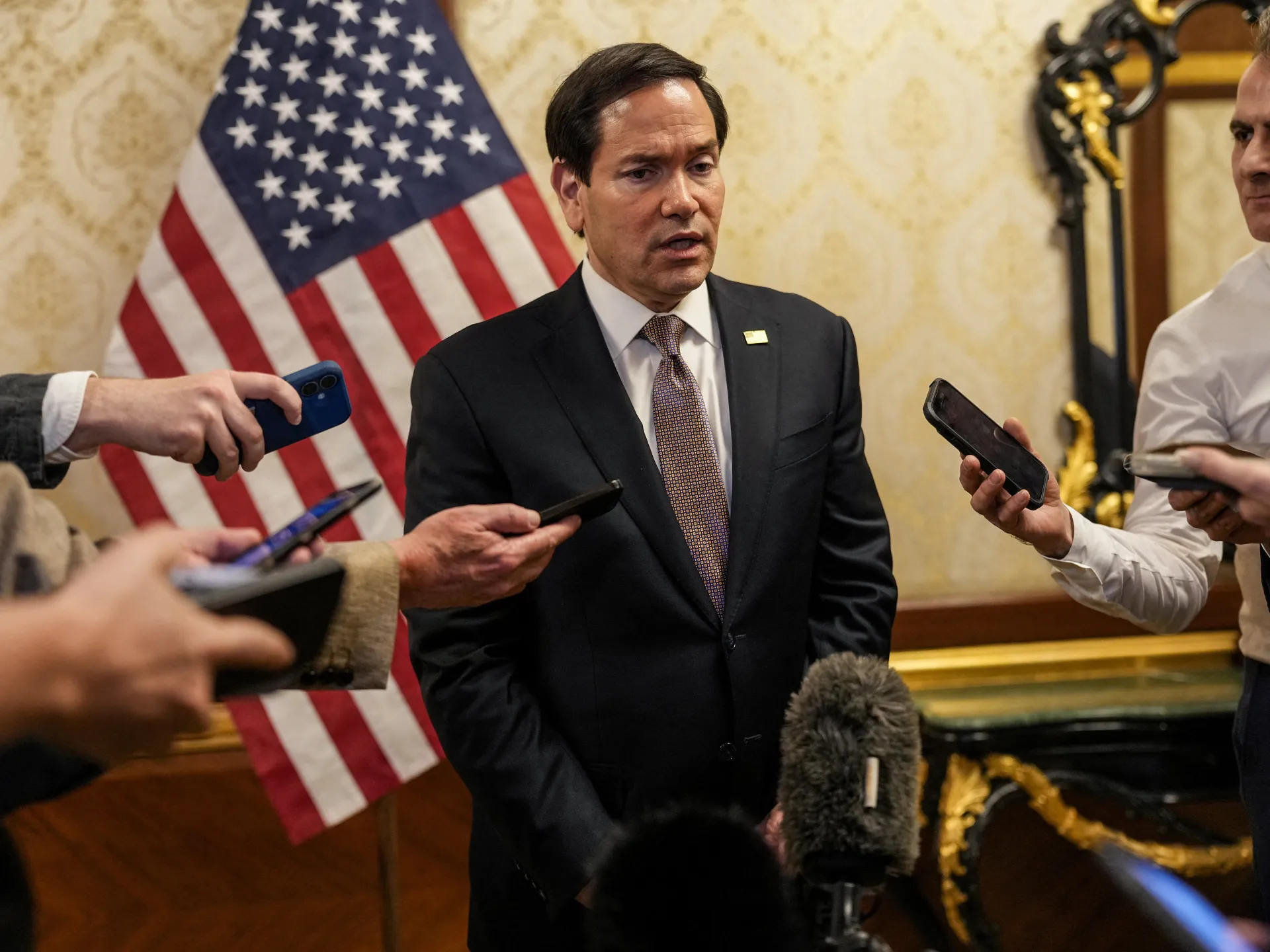
In a bid to reassure regional allies and address their concerns, US Secretary of State Marco Rubio has embarked on a tour of Gulf nations. Following visits to the United Arab Emirates and Kuwait, Secretary Rubio arrived in Bahrain for a meeting with leaders of the Gulf Cooperation Council (GCC) in Manama. The primary objective of these discussions is to reaffirm Washington's commitment to protecting the security and economic interests of its allies, particularly as the US pursues an interim peace deal with Iran. Secretary Rubio has publicly stated that the US will ensure any agreement reached with Iran adequately reflects the security and economic concerns of its regional partners, pledging not to compromise their interests during the negotiation process.
Lebanon's Unstable Security Situation
Despite ongoing diplomatic efforts and a declared ceasefire, the security situation in Lebanon remains volatile. Recent reports indicate that two individuals were killed in an Israeli strike on the southern city of Nabatieh. Concurrently, residents of Ain al-Arab, another southern village, were reportedly instructed to evacuate their homes or face demolition. These incidents occur amidst ongoing talks in Washington, D.C., between Lebanese and Israeli officials. These discussions are reportedly centered on establishing pilot zones, intended as a precursor to an Israeli withdrawal from southern Lebanon and the subsequent deployment of the Lebanese army in the area. However, Israeli Defence Minister Israel Katz has stated that Israeli forces would remain in southern Lebanon, even if the US called for a withdrawal, signaling a potential divergence in views on troop presence.
International Legal Challenges to US Sanctions
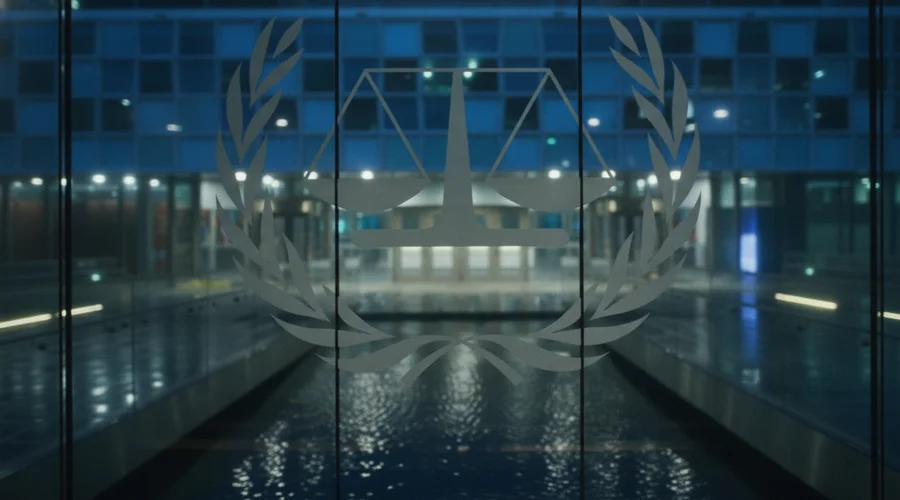
In a separate but related development, three judges from the International Criminal Court (ICC) have initiated legal action against the administration of US President Donald Trump. Their lawsuit challenges the legality of US sanctions imposed upon them, arguing that these measures are intended to penalize them for past judicial decisions. These rulings reportedly include cases involving Israel and allegations of US war crimes in Afghanistan. The judges contend that the sanctions have significantly impeded their professional duties, travel capabilities, and access to financial services, underscoring the broader implications of international legal and political pressures.
Iran's Accusations Against NATO
Adding another layer to the complex regional dynamics, Iran’s Ministry of Foreign Affairs has accused NATO of complicity in what it termed an “unlawful war of aggression.” This accusation followed remarks by NATO Secretary-General Mark Rutte, who indicated that European allies supported US and Israeli strikes. Tehran asserted that NATO member states involved, specifically mentioning Italy and Romania, should be held accountable for their alleged roles in these actions.
Source: Original Article