
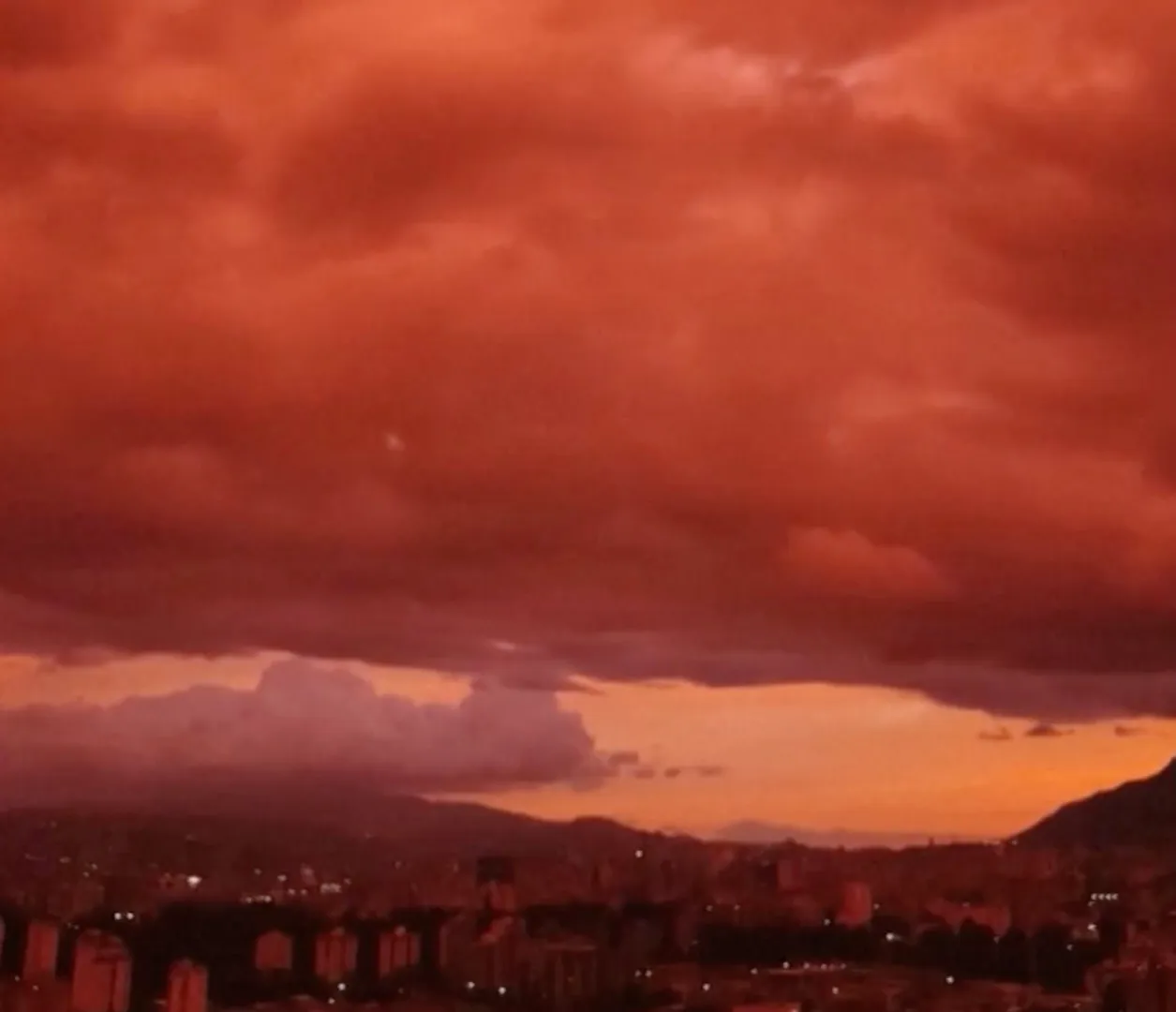
Atmospheric Phenomenon in the Venezuelan Capital
On Tuesday, the skies above Caracas, Venezuela, presented a remarkable spectacle as the setting sun cast a profound deep red hue across the horizon. This unusual atmospheric display captivated residents and was captured in numerous eyewitness accounts, circulating widely across various platforms.
The vibrant crimson and scarlet tones that painted the evening sky occurred during a period of heightened activity for the nation, as rescue and recovery operations continued in the wake of two significant earthquakes that struck Venezuela last week. While the precise scientific explanation for the intensity of this particular sunset is not explicitly detailed in initial reports, such dramatic colorations in the sky are often attributed to specific atmospheric conditions. These can include the presence of dust or ash particles, moisture content, and the angle at which sunlight is scattered through the Earth's atmosphere during sunrise or sunset, which can filter out shorter wavelengths of light (like blue and green) and allow longer wavelengths (like red and orange) to dominate.
Context of Recent Seismic Events
The visual phenomenon unfolded against a somber backdrop of ongoing humanitarian efforts. Venezuela has been grappling with the aftermath of two powerful earthquakes that caused widespread devastation. The government has reported a significant loss of life, with official figures indicating 1,943 fatalities attributed to the seismic events. Additionally, thousands more individuals have sustained injuries, further compounding the challenges faced by emergency services and communities.
Rescue teams, both domestic and international, have been working tirelessly since the quakes to locate survivors, provide medical assistance to the injured, and manage the extensive damage to infrastructure. The efforts involve a complex coordination of resources, including search and rescue dogs, heavy machinery for debris removal, and medical personnel deployed to affected regions.
Community Response and Resilience
In the face of such adversity, the Venezuelan populace has demonstrated resilience. Community members have been actively involved in supporting relief efforts, offering aid to neighbors, and participating in voluntary work. The unusual sunset, while a natural occurrence, inadvertently served as a moment of collective observation during a challenging time, perhaps offering a brief, albeit visually striking, distraction from the immediate hardships.
The government's response has focused on immediate relief and long-term recovery planning. Emergency shelters have been established to accommodate those displaced by the earthquakes, and provisions such as food, water, and essential supplies are being distributed. The scale of the disaster necessitates a sustained and comprehensive recovery strategy, which is expected to involve significant national and potentially international support.
Understanding Atmospheric Optics
The science behind vivid sunsets involves the scattering of sunlight by particles in the atmosphere. When the sun is low on the horizon, its light travels through more of the Earth's atmosphere. During this journey, shorter-wavelength colors like blue and violet are scattered away by air molecules (a phenomenon known as Rayleigh scattering). This allows longer-wavelength colors, such as red, orange, and yellow, to penetrate more directly to our eyes. The presence of additional particles, such as dust from arid regions, volcanic ash, or pollutants, can enhance this effect, leading to exceptionally vibrant and deep red sunsets. While specific data for the Caracas sunset was not immediately available, such atmospheric conditions are generally responsible for these striking visual events.
The deep red sunset over Caracas, observed on Tuesday, July 1, 2026, provided a moment of visual drama during a period of intense focus on recovery and rebuilding. It underscored the interplay between natural phenomena and human experiences, serving as a poignant backdrop to the nation's ongoing endeavors to overcome the recent seismic tragedies.
Source: Original Article
Related Articles
 news
news
Tragedy Strikes Pakistan: Unregistered Tutoring Center Roof Collapse Claims Young Lives
 news
news
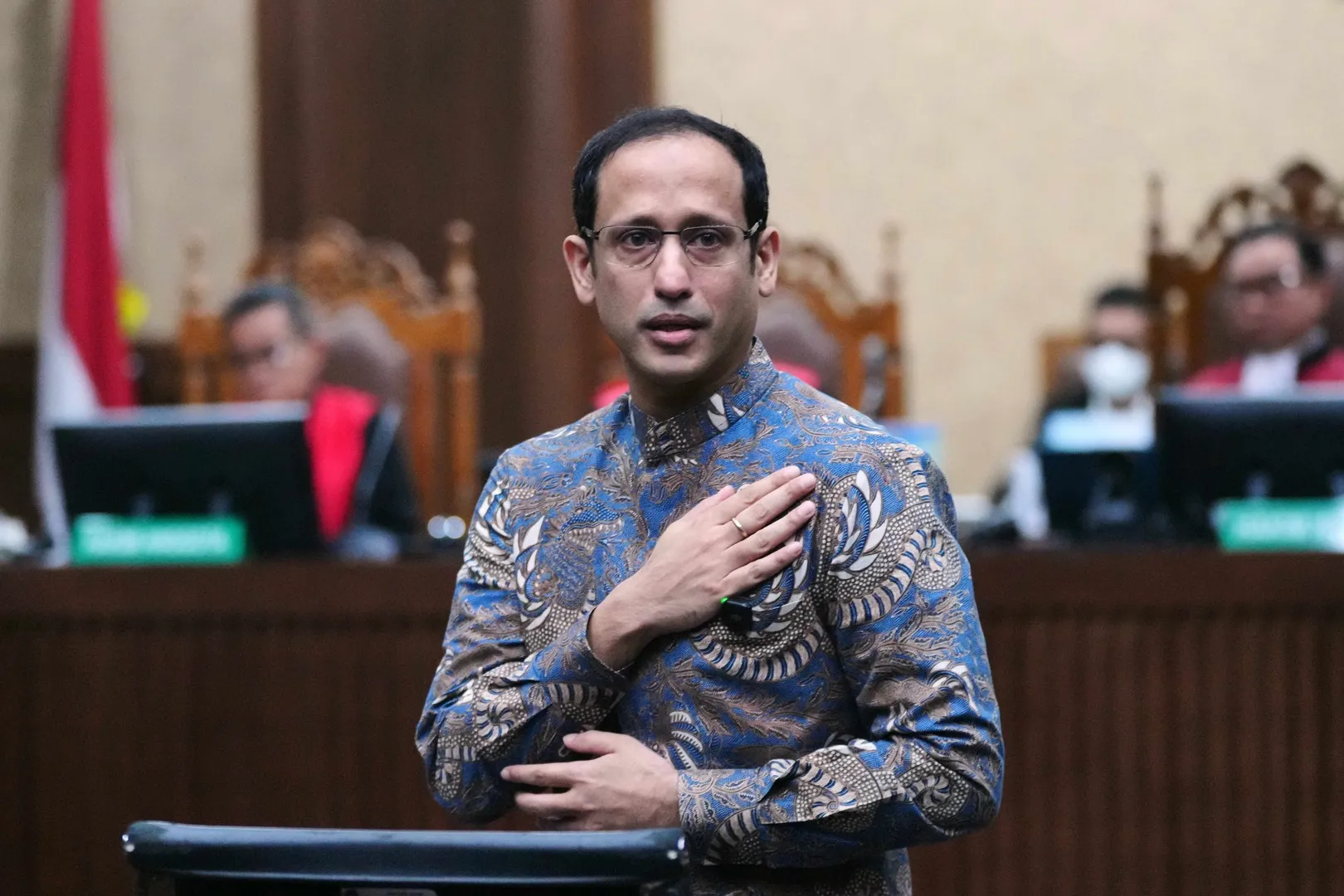
Former Indonesian Education Minister Receives 10-Year Sentence in Corruption Case
 news
news
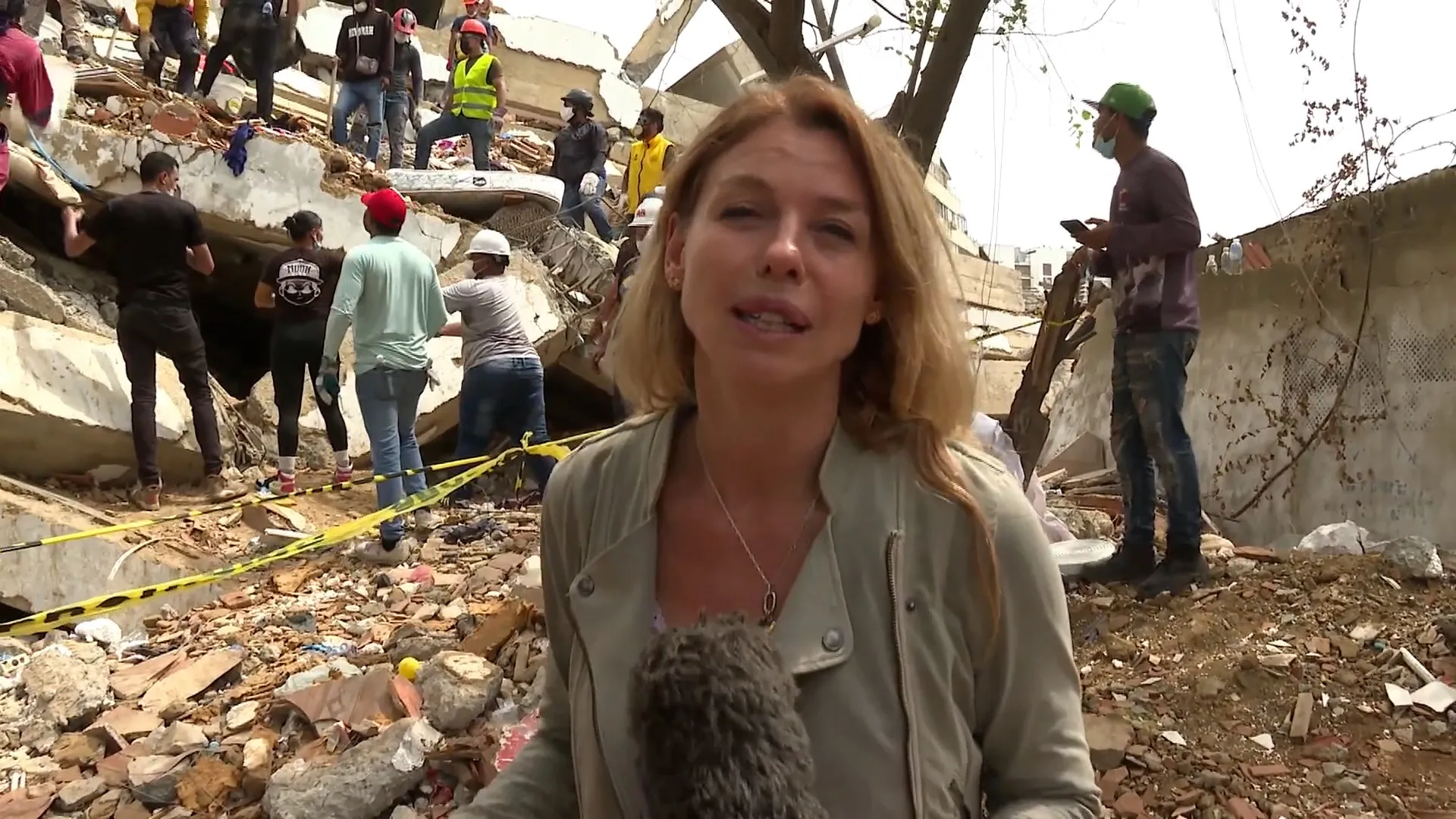
Venezuelan Rescue Efforts Intensify Following Dual Earthquakes
 news
news