
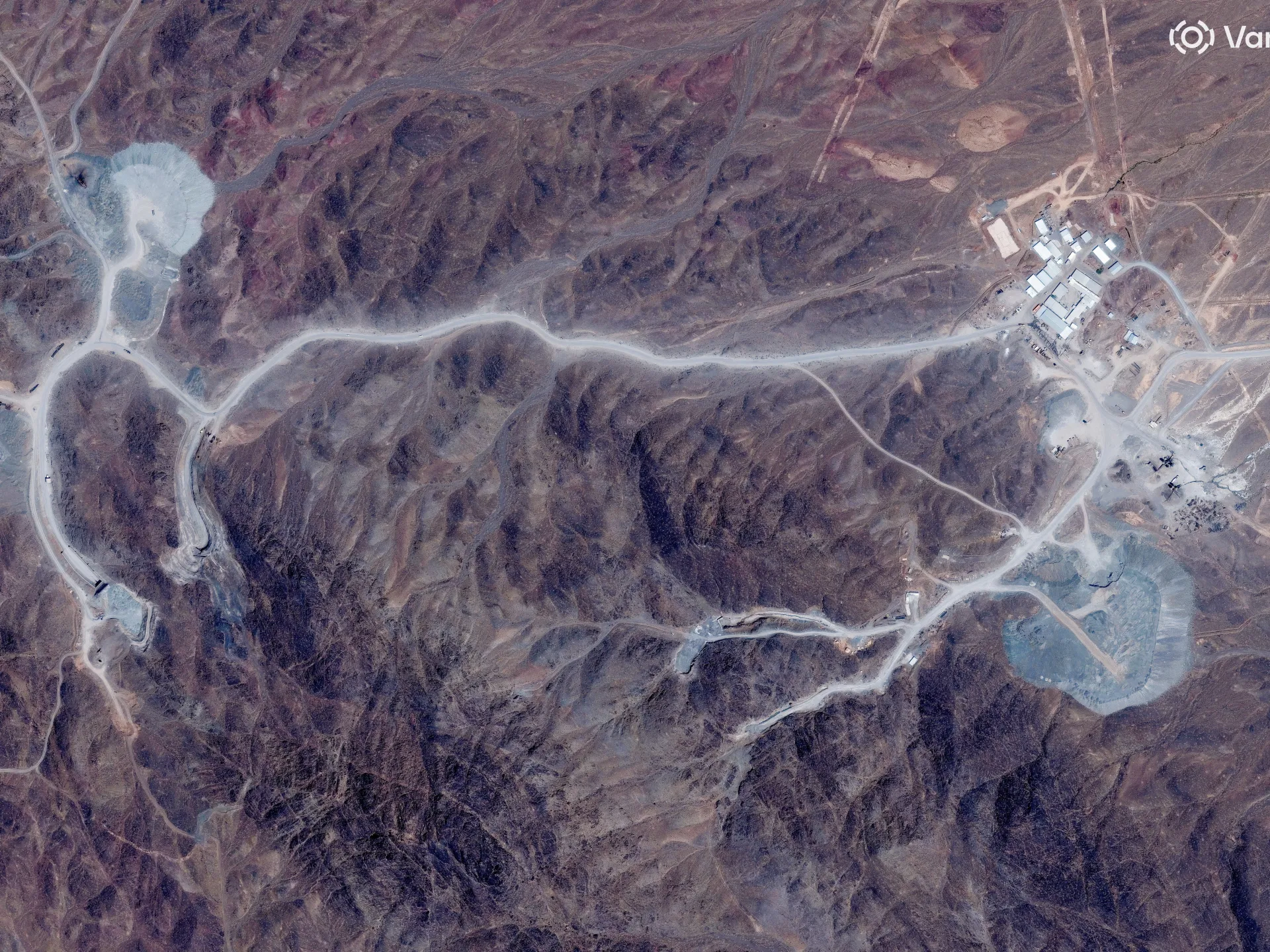
Introduction to 'Pickaxe Mountain'
As the geopolitical climate between the United States and Iran continues to intensify, a specific Iranian nuclear site, dubbed 'Pickaxe Mountain,' has garnered significant attention. US President Donald Trump has issued public threats to attack and dismantle this facility, raising questions about its nature, strategic importance, and the implications of such actions.
The facility, reportedly one of Iran's most heavily fortified installations, is situated south of Tehran. Its designation as a key target underscores the deepening tensions and the unpredictable trajectory of the ongoing confrontation between Washington and Tehran.
The Strategic Significance of Pickaxe Mountain
What distinguishes 'Pickaxe Mountain' and why has it emerged as a critical point of contention? The site is characterized by its robust fortifications, featuring two extensive tunnel complexes excavated deep beneath the earth. These tunnels are reportedly buried under hundreds of meters of solid granite rock, a design intended to provide maximum protection against even the most powerful bunker-penetrating munitions.
Intelligence assessments from the US suggest that Iran may be developing a clandestine, undeclared uranium-enrichment facility within this site. This alleged covert operation is perceived by some as a 'strategic hedge' for Iran's broader nuclear ambitions. Conversely, Iranian officials have consistently maintained since construction commenced in 2020 that the facility's sole purpose is the assembly and manufacturing of advanced centrifuges for peaceful applications.
"We’re going to take out Pickaxe Mountain. Tell the Iranians to be ready," President Trump stated during an interview on The Hugh Hewitt Show. He further commented, "We’re watching Pickaxe Mountain very closely. We don’t see any activity there. They’re not doing very well with their nuclear situation. Every time we hear about it, we blow it up. So they don’t like to talk about it. But we’ll probably give Pickaxe a hit relatively soon."
Recent Military Engagements and Responses
The threats surrounding 'Pickaxe Mountain' are part of a broader pattern of military escalation. Tehran has accused the US of contributing to regional instability, with the Islamic Revolutionary Guard Corps (IRGC) specifically alleging that Washington's actions endanger global oil supplies. Both sides have reported targeting military installations, with the US Central Command (CENTCOM) confirming a series of strikes aimed at degrading Iran's military capabilities.
CENTCOM announced a new wave of attacks, marking the third consecutive night of military operations. These strikes reportedly utilized precision-guided munitions against Iranian coastal-defense systems, missile and drone sites, and naval assets. The command stated that these five-hour operations impacted military targets across various regions of Iran.
Iranian Reports on the Attacks
Iranian media outlets have corroborated reports of explosions in several southern areas of the country. These include the islands of Kish, Qeshm, and Abu Musa, as well as the mainland locations of Bandar Abbas and Jam. Local sources cited by Fars news agency reported hearing explosions in these areas, while Mehr news agency specifically mentioned explosions on Qeshm and Kish islands.
Iran's official news agency documented three explosions in Bandar Abbas, and state television reported two on Kish Island. Specific details regarding potential casualties or the extent of the damage have not been widely released by Iranian authorities. However, Mehr quoted an official in Iran's Khuzestan province who stated that four individuals were injured in US attacks targeting areas within the southwestern city of Omidiyeh. Additionally, Nour News, an Iranian website, confirmed that three boats caught fire in the port of Kish Island following attacks on Monday night.
The Path Forward: Diplomacy Amidst Conflict
Despite the intensified military actions, President Trump has indicated that diplomatic avenues remain open. Speaking from the Oval Office, he suggested that an agreement with Tehran to resolve the conflict was "certainly possible." This statement came even as Washington continued its military pressure and reimposed blockades on Iranian ports, highlighting a complex and seemingly contradictory approach to the ongoing crisis.
The situation remains fluid, with the international community closely observing the developments and the potential ramifications of further escalation in the region. The fate of 'Pickaxe Mountain' and the broader US-Iran relationship hangs in a delicate balance between military confrontation and the possibility of renewed dialogue.
Source: Original Article
Related Articles
 world
world
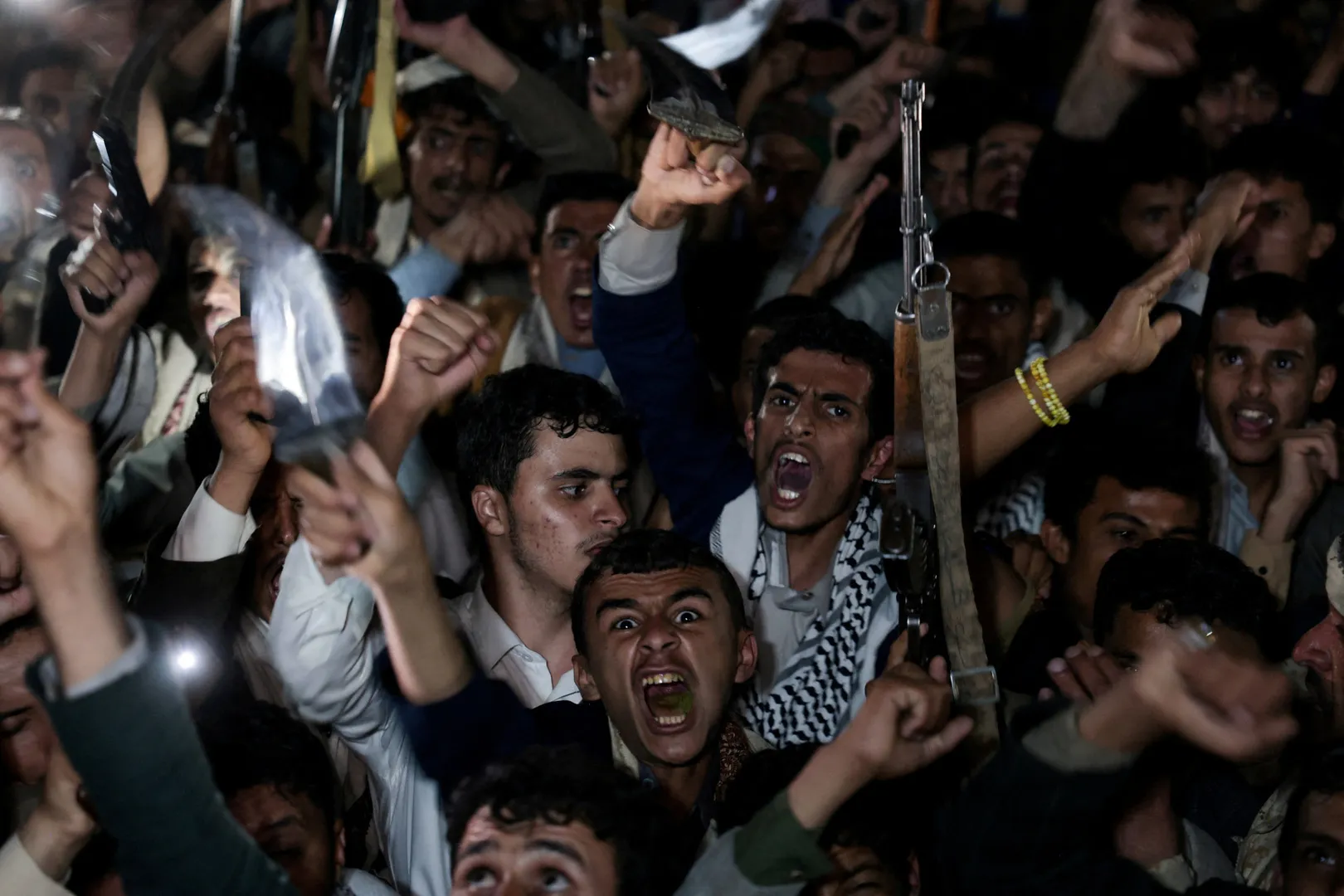
Yemen's Houthi Movement Claims Retaliatory Strike on Saudi Airport Amid Escalating Tensions
 world
world
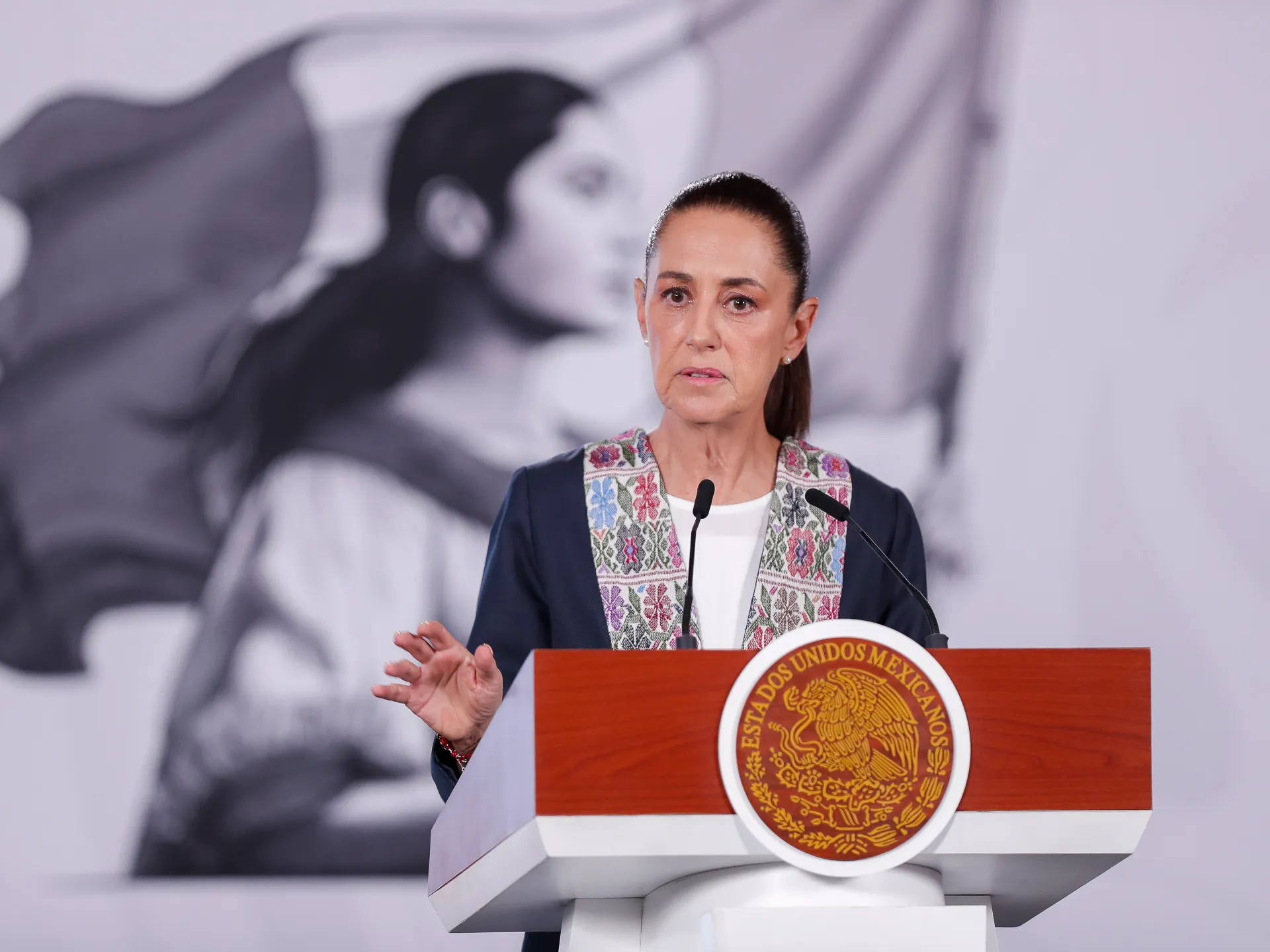
Mexico Requests U.S. Legal Action Over Immigration Deaths
 world
world
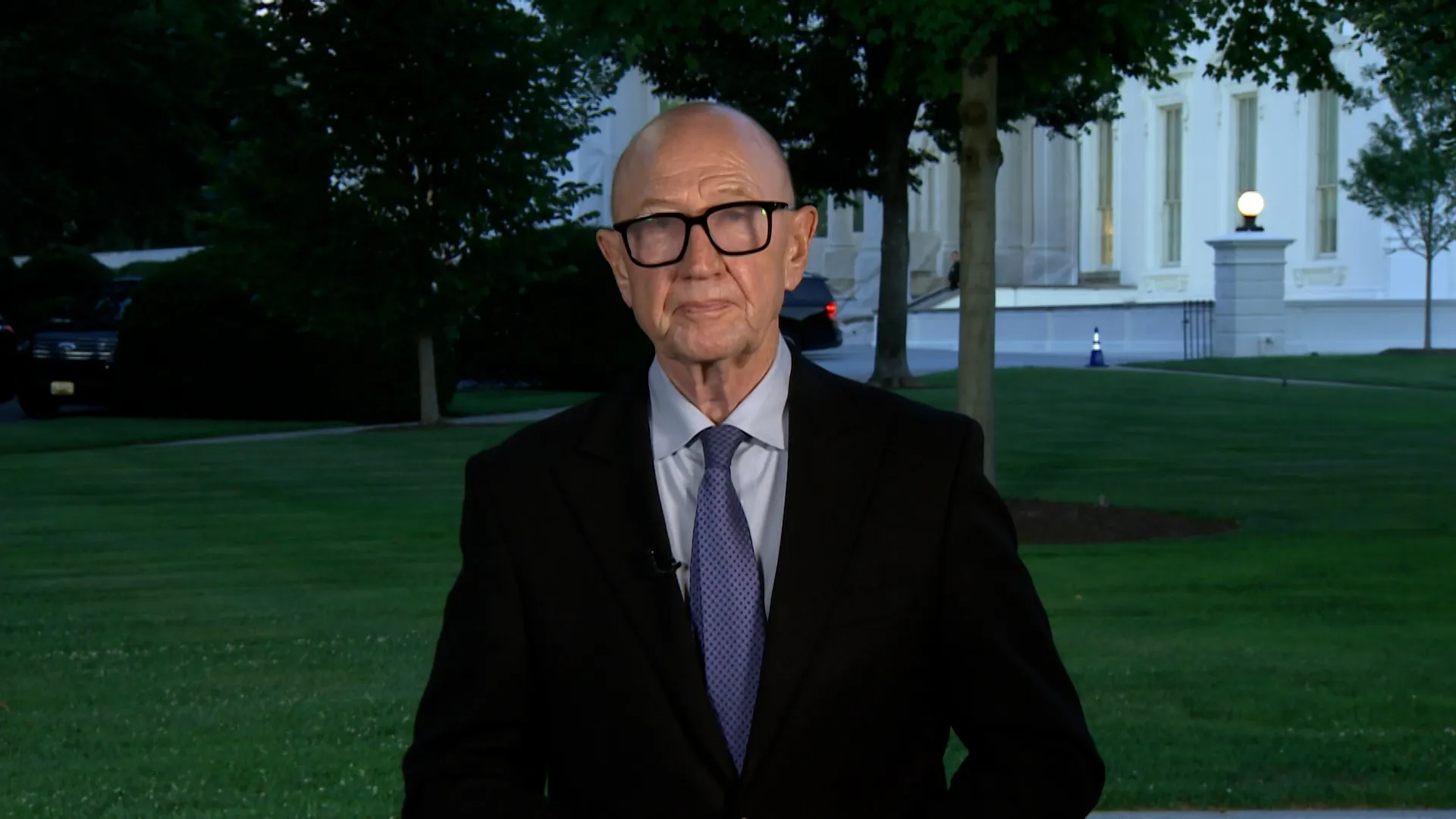
Former President Trump Issues Warning Regarding Iranian Nuclear Site Amid Regional Tensions
 world
world