The Spectacle of a Nation in Mourning: Khamenei's Funeral and Global Media
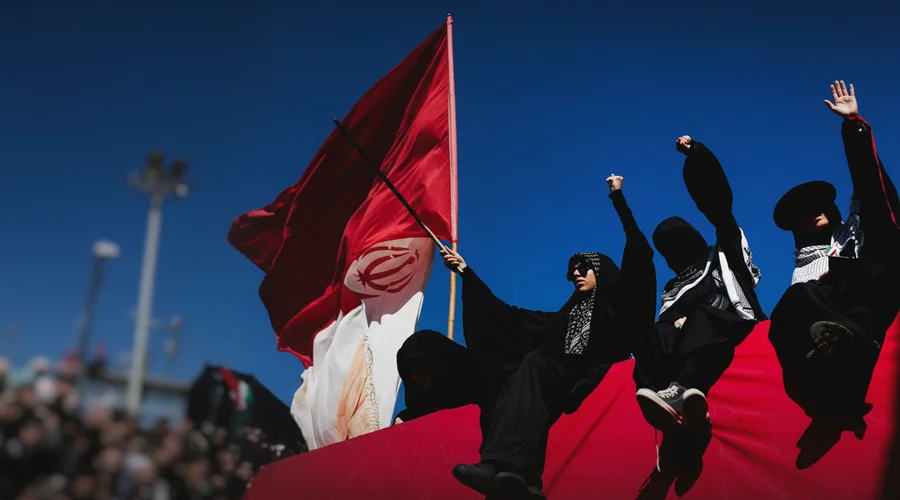
The recent passing of Iran's Supreme Leader, Ali Khamenei, precipitated a national event of immense scale, drawing millions of Iranians into the streets to commemorate his life. This period of mourning, however, transcended a mere religious or political ceremony; it became a significant moment for international observation, particularly concerning how Iran projects itself on the global stage. The meticulous orchestration of the funeral, coupled with the granting of extensive access to foreign journalists and social media influencers, underscored a deliberate strategy by Tehran to manage its international narrative.
The sheer number of attendees, widely reported by both domestic and international outlets, presented a powerful visual of national unity and popular support, a message undoubtedly intended for both internal consumption and external perception. For a nation frequently under intense international scrutiny, such an event offers a rare opportunity to shape global opinion and challenge prevailing narratives. The presence of a diverse international media contingent, including those typically critical of the Iranian regime, suggests a calculated decision to allow a degree of transparency, albeit within a carefully controlled framework.
Beyond the Mourning: Geopolitical Undercurrents
The timing of Khamenei's funeral was particularly salient, occurring shortly after a collapse in the ceasefire agreement in the ongoing conflict involving Iran, the United States, and their respective allies. This geopolitical backdrop imbued the funeral with additional layers of meaning. The public display of national cohesion during this sensitive period could be interpreted as a message of strength and resilience to adversaries, reinforcing Iran's resolve amidst escalating tensions. The Strait of Hormuz, a critical chokepoint for global oil supplies, once again found itself at the nexus of these geopolitical dynamics, further highlighting the strategic importance of the region.
Experts like HA Hellyer from the Royal United Services Institute, Samira Mohyeddin, host of 'On The Line Media,' Negar Mortazavi from 'The Iran Podcast,' and Alex Vatanka of the Middle East Institute, have consistently analyzed how such events are not merely domestic affairs but are intrinsically linked to broader international relations. Their insights often focus on how state-controlled media and strategic communication play a pivotal role in shaping perceptions, both domestically and abroad, especially during periods of political transition or heightened international tension. The funeral, in this context, was not just a tribute to a leader but a carefully choreographed political statement.
The Role of Media in Shaping Perceptions
The coverage of Khamenei's funeral provided a compelling case study in media management and the limitations of established narratives about Iran. By inviting a wide array of foreign reporters and influencers, Tehran aimed to diversify the sources of information and potentially counter monolithic portrayals often found in Western media. This approach sought to present a more nuanced, or at least a different, perspective on Iranian society and politics.
However, the access granted was not without its implicit boundaries. While foreign media were given a platform, the extent to which they could delve into critical analysis or dissenting voices was likely constrained. This delicate balance between openness and control is a hallmark of how many states, particularly those with complex international relations, manage their public image. The objective is often to demonstrate a degree of transparency while simultaneously ensuring that the core message aligns with national interests.
Broader Media Landscape: A Comparative Glance
While the focus remained on Iran, the broader media landscape often presents similar dynamics in how events are framed and consumed. For instance, the recent NATO summit, hosted by Turkiye, saw President Recep Tayyip Erdogan and United States President Donald Trump project an image of unity and strength. Elettra Scrivo's analysis of this event highlights how imagery and messaging are carefully crafted to shape public perception and reinforce diplomatic narratives. These instances underscore a universal truth in political communication: the presentation of events is often as important as the events themselves.
Another area where media plays a crucial role in shaping public perception is in the realm of consumer health. The discussion around ultra-processed foods, as explored by Nicholas Muirhead of The Listening Post, reveals how 'Big Food' corporations market these products, often portraying them as nutritious despite growing concerns about their impact on global health. Marion Nestle, Christopher Snowdon, and Arun Gupta provide expert perspectives on how marketing strategies can influence dietary choices and public health outcomes. This demonstrates that the power of media extends beyond politics, influencing daily life and public discourse on a multitude of critical issues.
In conclusion, the funeral of Supreme Leader Ali Khamenei was more than a ceremonial event. It was a carefully managed spectacle designed to convey specific messages to both internal and external audiences, set against a backdrop of escalating regional tensions. The media coverage, influenced by controlled access and strategic communication, offered a unique insight into Iran's efforts to shape its international image and challenge entrenched narratives.
Related Articles
 world
world
Escalating Tensions: Middle East on Edge Amidst Iran-US Confrontation
 world
world
Diplomatic Efforts Intensify to De-escalate US-Iran Tensions Through Gulf Mediation
 world
world
Escalation in Gulf: Iran Responds to US Strikes with Regional Missile Attacks
 world
world