
Overview of Recent Drone Activity
Recent reports indicate a series of Ukrainian drone strikes targeting both historical sites in Russian-annexed Crimea and critical oil infrastructure deep within Russia. These attacks have reportedly caused damage to a museum in Sevastopol, led to fatalities and injuries among railway personnel, and disrupted fuel supplies in the Black Sea peninsula. The intensified aerial campaign has prompted Russian authorities to implement various countermeasures, including restricting train schedules and fuel sales, while also issuing air raid alerts in several regions.
Impact on Sevastopol and Crimean Infrastructure
In Sevastopol, Crimea, a significant drone strike reportedly damaged the 'Defense of Sevastopol 1854-1855' Panorama museum. Mikhail Razvozhayev, the Russian-installed governor of Sevastopol, confirmed the incident, stating that the drone caused a roof fire at the historic site. He emphasized the museum's symbolic importance, noting its resilience through previous conflicts, including the Crimean War and World War II. Emergency services were dispatched to the location and successfully extinguished the blaze.
Beyond the museum, the Crimean peninsula has experienced broader disruptions. Following a separate drone attack, nighttime train schedules were curtailed. This particular incident involved a drone striking passenger train number 68, traveling from Moscow to Simferopol, which resulted in the death of the assistant locomotive driver and injuries to the locomotive driver. All passengers on the affected trains were safely evacuated and transported by bus to Simferopol and Sevastopol.
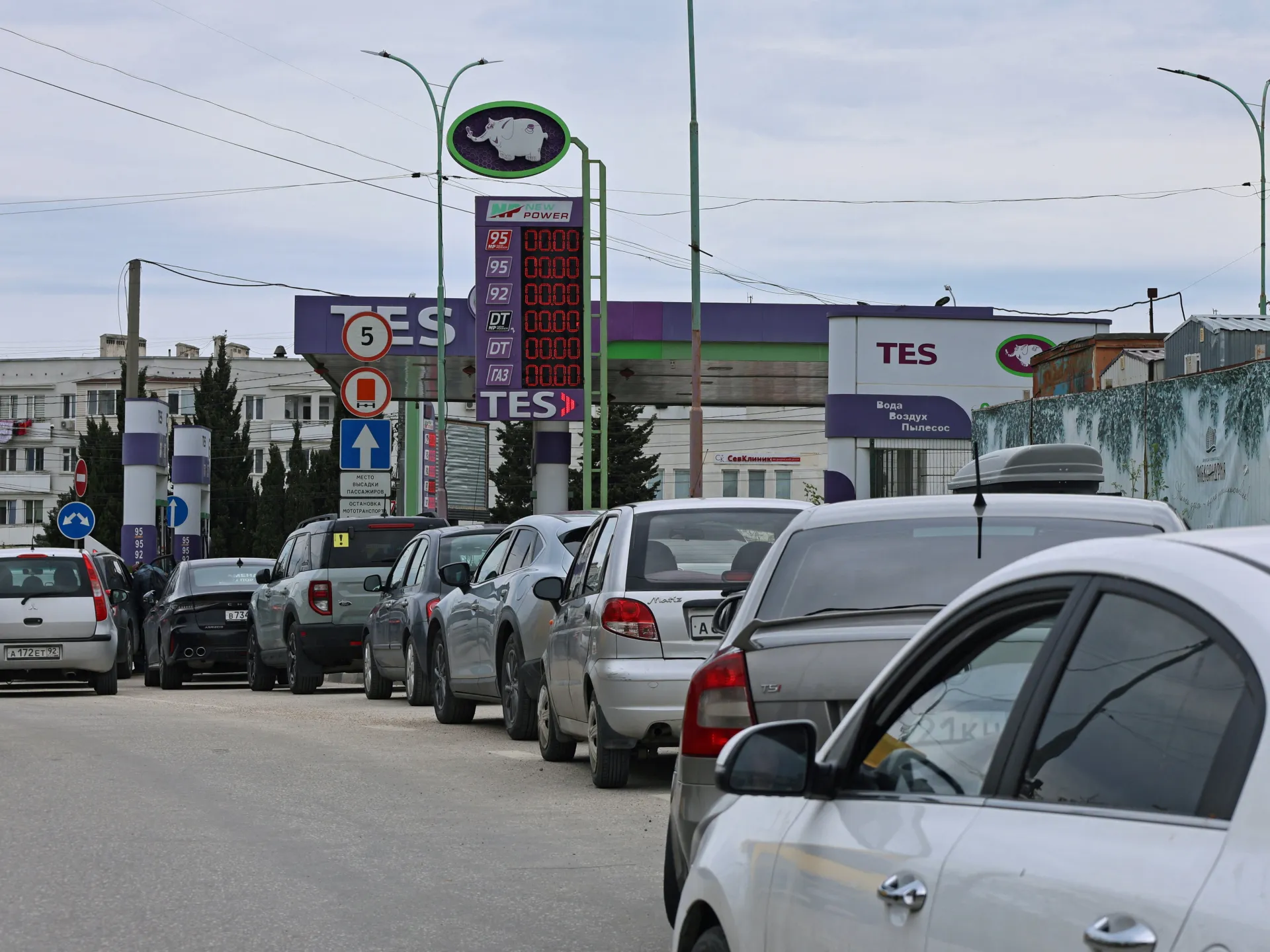
Furthermore, Crimea is reportedly facing fuel shortages as the holiday season commences, a situation attributed to recent Ukrainian drone assaults. Local reports suggest a complete suspension of unrestricted commercial gasoline sales to civilians across the peninsula. Fuel is now reportedly rationed, primarily reserved for emergency services or accessible through state-issued vouchers, indicating a significant impact on daily life for residents.
Attacks on Russian Territory and Oil Refineries
The drone campaign has also extended into various regions within Russia. The Russian Defence Ministry reported intercepting a substantial number of Ukrainian drones, with some reportedly heading towards Moscow. In the Samara oil hub region, specifically Novokuibyshevsk, authorities stated they repelled drone attacks targeting Rosneft refineries, advising local residents to seek shelter.
Independent open-source intelligence channels corroborated reports of a fire at the Kuibyshevsk oil refinery following an alleged drone assault. In the Rostov region, which borders Ukraine, falling debris from a drone reportedly ignited a fire in a fuel tank at a civilian installation. Additionally, two industrial facilities in the central Vladimir region were reportedly ablaze. Rare air raid alerts were also issued in several remote, oil-producing and industrial regions, including Khanty-Mansiysk, Perm, Tyumen, Chelyabinsk, and Sverdlovsk.
Broader Context and Diplomatic Stance
These recent drone attacks occur within the ongoing conflict between Russia and Ukraine. Ukrainian President Volodymyr Zelenskyy had previously proposed direct negotiations with Russian President Vladimir Putin, a proposal that was reportedly rejected by the Russian leader. Following the railway incident, the Kremlin issued a statement suggesting that Ukraine's actions were undermining efforts towards a peaceful resolution.
The intensified drone activity highlights a persistent and evolving aspect of the conflict, with both sides employing various strategies to achieve their objectives. The targeting of both military-related infrastructure and symbolically significant civilian sites underscores the wide-ranging implications of the ongoing hostilities.
Source: Ukrainian drones strike Sevastopol museum and key Russian oil refineries
Related Articles
 news
news
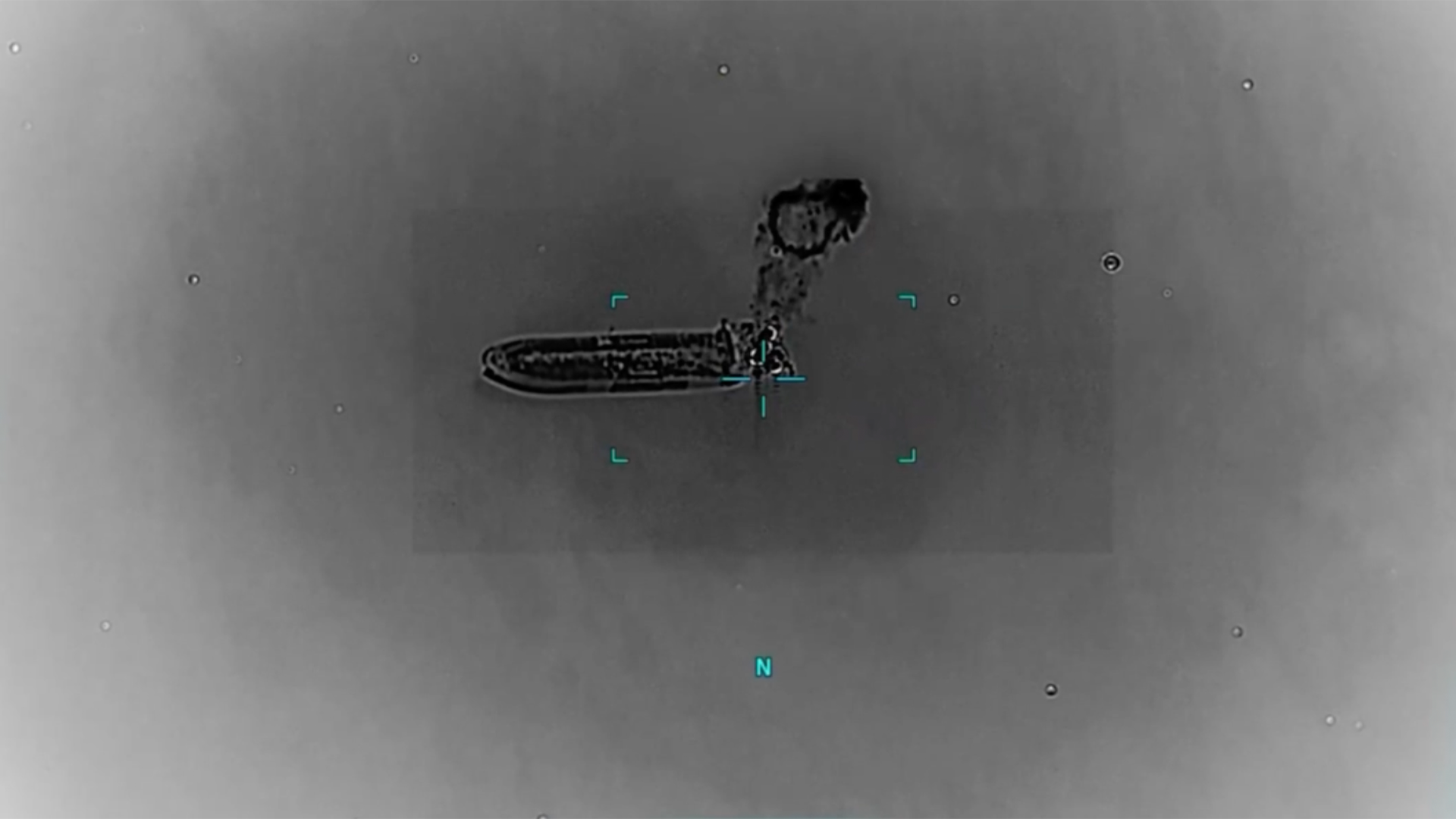
Escalation in Middle East as Iran Retaliates Against US Strikes, Closes Vital Strait
 news
news
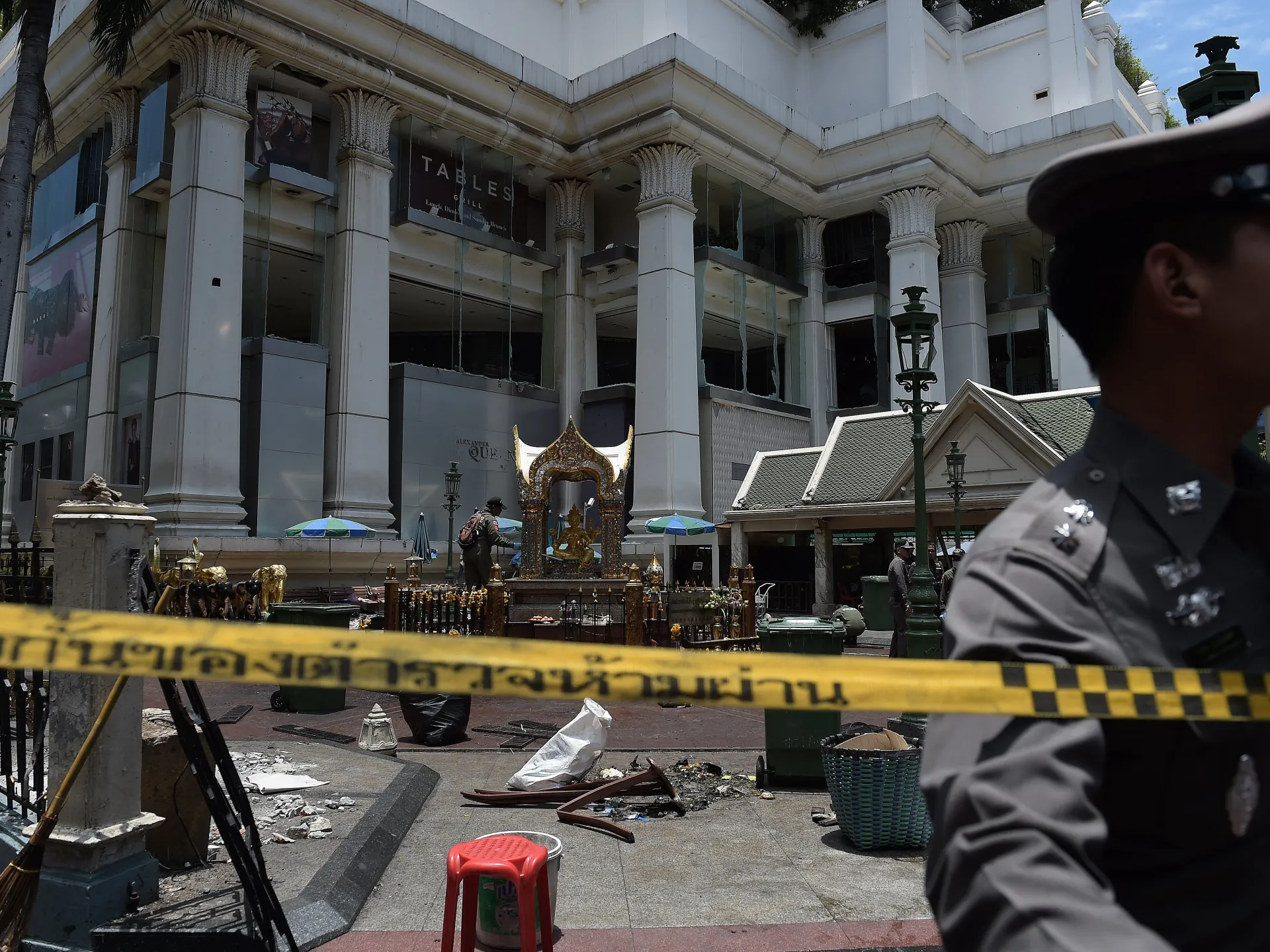
Thai Court Imposes Death Penalty on Two for 2015 Bangkok Shrine Bombing
 news
news
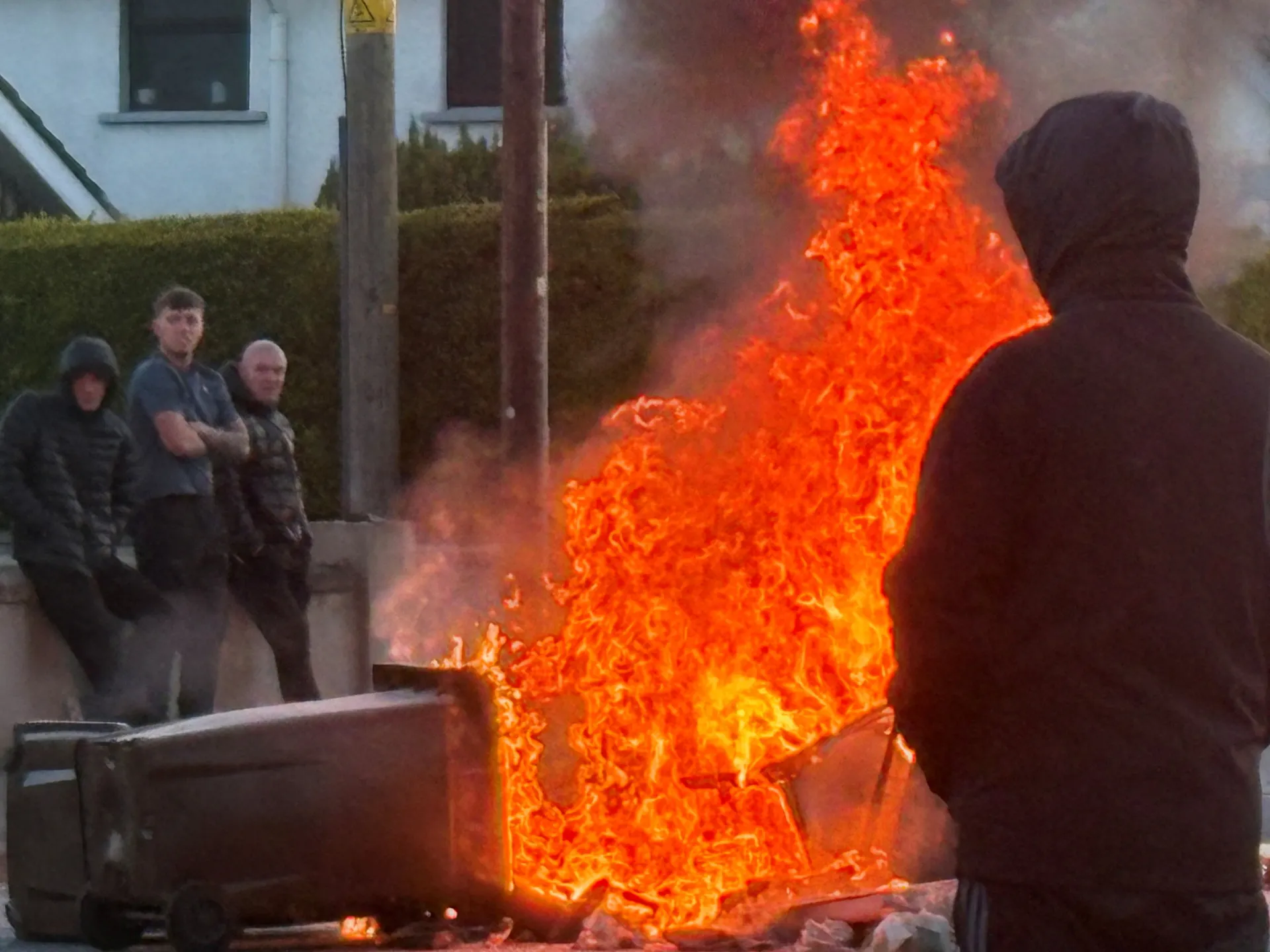
Belfast Experiences Second Night of Anti-Immigration Unrest Amidst Stabbing Charges
 news
news