
Combating Deforestation Through Innovative Waste Utilization
In northern Uganda, a significant environmental challenge is being tackled by a local initiative that repurposes shea waste into clean energy. This effort not only provides an alternative to traditional cooking fuels but also empowers women economically, highlighting a sustainable approach to resource management in regions grappling with deforestation.
The inspiration for this initiative emerged from personal experience. Lucy Everlyn Atim, a climate activist, returned to her home region after several years working as a child rights advocate in South Sudan. She was dismayed to discover that a beloved shea tree from her childhood, known locally as 'moyao,' had been cut down. This particular tree held sentimental value, having been a gathering spot for her and her friends to enjoy its fruit before school. Its disappearance was not an isolated incident; widespread felling of shea trees for charcoal production was evident across northern Uganda.
Atim, now in her mid-thirties, expressed profound concern over the escalating destruction. "The destruction of shea trees is alarming," she stated. "These trees need to be protected, but people also need an alternative source of fuel." Uganda faces an annual loss of approximately 122,000 hectares of forest, primarily due to charcoal production and logging. With an estimated 90 percent of households relying on charcoal for cooking, indigenous species like shea and Afzelia africana are increasingly vulnerable.
The Declining Shea Population and Its Impact
Research conducted by Makerere University underscores the severity of the decline. A study observed a reduction in mature shea tree populations on fallow land, dropping from around 20 trees in 2008 to between 10 and 15 by 2017. Dr. Patrick Byakagaba, the environmental researcher who led the study, noted the scarcity of comprehensive data on the declining shea tree population in northern Uganda. He emphasized the need for more extensive research to ascertain their density, sapling survival rates, and regeneration patterns. The challenge of tracking this decline is compounded by charcoal producers often removing entire trees, leaving no stumps for enumeration.
The urgency of finding sustainable alternatives is clear. The traditional reliance on wood-based fuels puts immense pressure on natural forests, leading to ecological degradation and contributing to climate change. Initiatives that offer viable substitutes are crucial for preserving biodiversity and supporting local ecosystems.
From Observation to Innovation: Moyao Africa Initiative
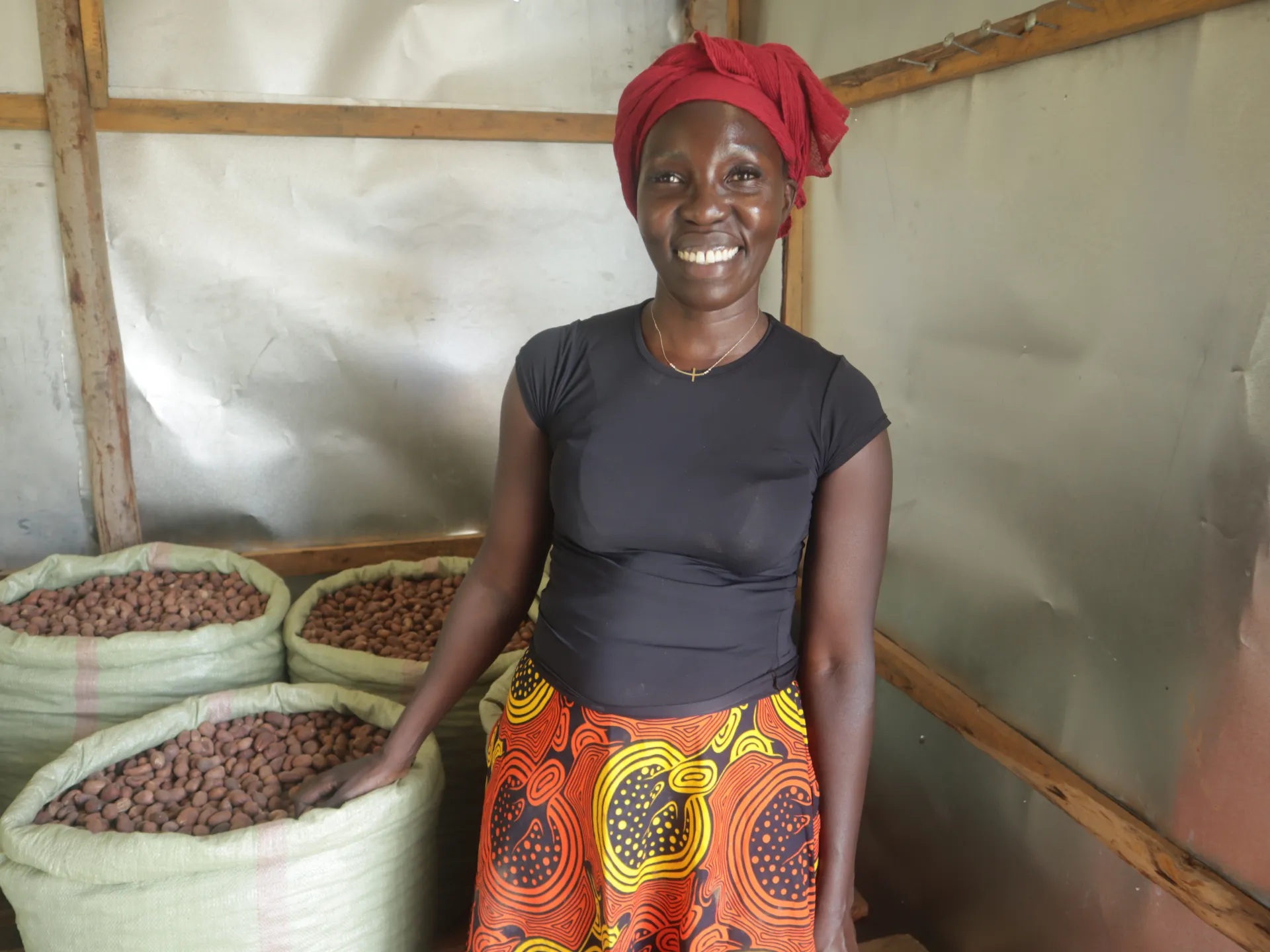
While working in South Sudan, Atim encountered a woman in Yida who was crafting fuel briquettes from discarded shea husks. This discovery sparked an idea for Atim. "I got curious. I knew this was something that could be replicated back home," she recalled. In 2023, she established Moyao Africa Initiative, a social enterprise dedicated to transforming shea waste into fuel briquettes. Concurrently, the initiative supports women in generating income through shea butter processing.
Moyao Africa Initiative currently employs six staff and collaborates with over 1,200 women organized into savings groups. These groups are instrumental in collecting shea waste, producing briquettes, and processing shea butter. Atim highlighted the dual benefit of the initiative: "In most households, women carry the burden of finding cooking fuel. By training them to make and sell briquettes and shea butter, we’re creating an income while providing an affordable alternative to charcoal."
Empowering Women Through Practical Training
In Alebtong, Moyao Africa Initiative conducts training sessions for women, teaching them how to convert discarded shea husks into cooking fuel. During a recent session, 15 women, representing various savings groups, actively participated. They demonstrated their knowledge of the briquette-making process: collecting husks, crushing them, mixing them with clay and cassava flour, molding them, drying them, and finally storing them.
The theoretical instruction quickly transitioned into practical application. Women engaged in pounding dried shea husks in wooden mortars, digging up clay soil, and stirring thick cassava paste, which serves as a binder. The mixture is then pressed into molds and left to dry under the sun. Catherine Akello, chairperson of the Oteno Moyao Africa Women’s Group in Abwoc village, shared her experience. Previously, she only valued shea kernels for butter production, discarding the husks. Now, these husks have become a valuable fuel source. "I don’t have to worry about buying charcoal whenever I want to cook because I make my own briquettes from shea husks," the 47-year-old mother of five explained. She also noted the financial benefits: "As a group, we’re also able to save money from the products we sell, and that helps us support our families when emergencies arise."
Scaling Production to Meet Demand
Despite growing demand for the briquettes, production is currently limited by the seasonal nature of the shea harvest. To address this, Atim is working towards acquiring essential equipment, including a carbonizer, crusher, and briquette-making machine, estimated to cost around $530. This investment would enable the initiative to process more shea waste and maintain briquette production throughout the year. "Our plan is to increase shea butter production from 600 liters to 6,000 liters. That means more shea husks and, in turn, more briquettes. It will help us meet demand even when raw materials are scarce," Atim explained.
Bosco Odyek, a renewable energy expert, affirmed the practicality of converting shea husks into briquettes as a charcoal alternative, highlighting its efficient use of waste material. He added that using a carbonizer would result in cleaner-burning, smokeless briquettes with enhanced efficiency.
Beyond Fuel: Community and Environmental Restoration
Moyao Africa Initiative's scope extends beyond fuel production. The organization manages environmental clubs in 20 schools across Alebtong District and collaborates with the National Agricultural Research Organisation (NARO) to distribute tree seedlings, encouraging communities to participate in landscape restoration efforts. Paul Mwirichia, a humanitarian and development expert, underscored the importance of such initiatives, while acknowledging that access to clean energy remains a challenge for many rural households. He stressed the need for government support for indigenous organizations like Atim's, recognizing their deep understanding of local issues and community trust.
For Lucy Everlyn Atim, the initiative is deeply personal. It represents an effort to safeguard the tree that defined her childhood. While her childhood shea tree is gone, her work ensures that discarded husks can be transformed into fuel, reducing the need to fell more trees and enabling more women to secure livelihoods by preserving them. Her guiding principle is clear: "We are leaving no one behind."
Source: Original Article
Related Articles
 environment
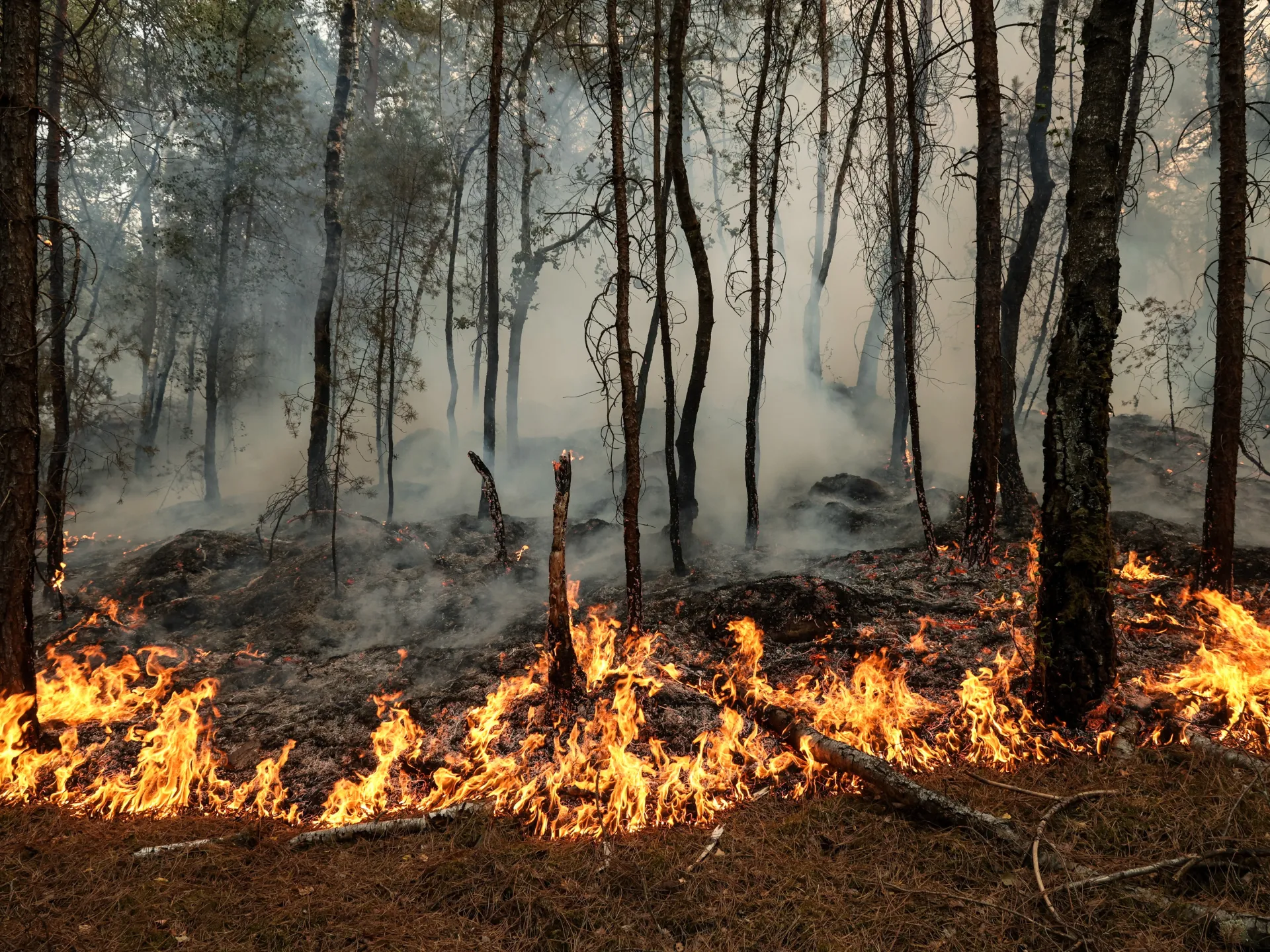
Extensive Wildfires Impact Historic Fontainebleau Forest Amidst French Heatwave
 environment
UK Experiences Significant Mortality Increase During Early Summer Heatwaves
 environment
Typhoon Bavi Strikes China's Eastern Shore, Prompting Mass Evacuations
 environment