
Widespread Wildfires Challenge Authorities Near Paris
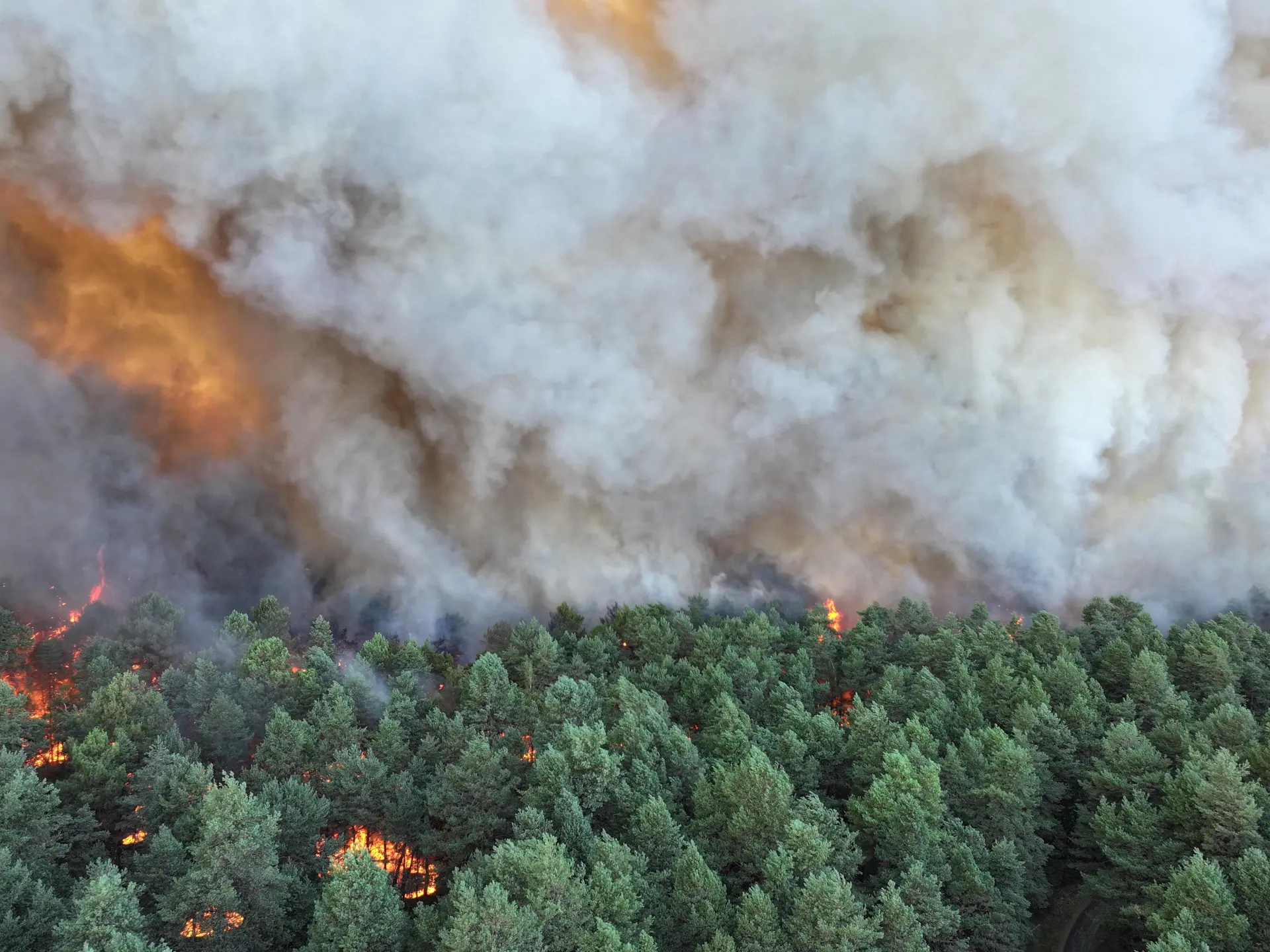
Recent wildfires in the vicinity of France's Fontainebleau forest have resulted in the evacuation of residences and significant interruptions to both train services and motorway traffic. These events unfold as a persistent heatwave continues to impact Western Europe, exacerbating conditions conducive to such blazes.
The fires originated near a major motorway situated approximately 60 kilometers (about 42 miles) southeast of Paris, in the area around Fontainebleau. This region is notable for hosting one of France's most renowned royal palaces, adding a layer of concern regarding potential damage to historical sites.
Scope and Impact of the Blazes
By Monday morning, the fires had consumed an area exceeding 800 hectares (approximately 1,980 acres), with strong winds playing a role in their rapid spread. The extensive nature of the fires led to the disruption of critical train lines and the partial closure of the A6 motorway, a vital artery connecting the northern and southern parts of France. In the nearby village of Vaudoue, authorities deemed it necessary to evacuate fifteen homes as a precautionary measure against the encroaching flames.
In response to the escalating situation, approximately 400 firefighters were mobilized to combat the fires across various towns within the affected region. Additionally, two waterbombing planes were deployed on Monday to assist in controlling the blazes from the air. Officials have characterized these fires as exceptionally intense and of an unprecedented scale for the area, highlighting the severity of the situation.
Unusual Measures and Environmental Context
Eric Brocardi, a representative from France's national federation of firemen, noted the unusual nature of this deployment. He stated that this incident marked the first occasion where waterbombing planes, typically dispatched from the hotter and drier southern regions of France, were required to address fires in the Paris area. This underscores the atypical intensity and spread of these particular wildfires. In addition to the planes, two firefighting helicopters and an observation aircraft were also deployed to aid in containment efforts.
The Paris region is currently experiencing a heatwave, a meteorological condition known to elevate the risk of wildfires. Scientific analysis from the World Weather Attribution group suggests that recent heatwaves, including the current one, would have been 'virtually impossible' without the influence of climate change, pointing to a broader environmental context for these events.
Broader Implications and Annual Trends
The ongoing heatwave across France has had wider consequences, including prompting officials to temporarily shut down three nuclear power stations. Interior Minister Laurent Nunez provided a stark overview of the year's wildfire activity, reporting that forest fires had already consumed 17,000 hectares (approximately 42,008 acres) of land this year. This figure represents more than double the amount recorded during the same period in 2025, indicating a significant increase in the prevalence and impact of wildfires across the country.
The confluence of intense heat, dry conditions, and strong winds has created a challenging environment for firefighting efforts, making these wildfires a significant concern for both local communities and national authorities. The situation near Fontainebleau serves as a localized manifestation of a broader trend of increased fire activity observed throughout France this year.
Source: Wildfires near Paris force evacuations, disrupt train lines and motorway
Related Articles
 environment
UK Experiences Significant Mortality Increase During Early Summer Heatwaves
 environment
Typhoon Bavi Strikes China's Eastern Shore, Prompting Mass Evacuations
 environment
Western Europe Experiences Hottest June on Record Amidst Widespread Heatwaves
 environment