
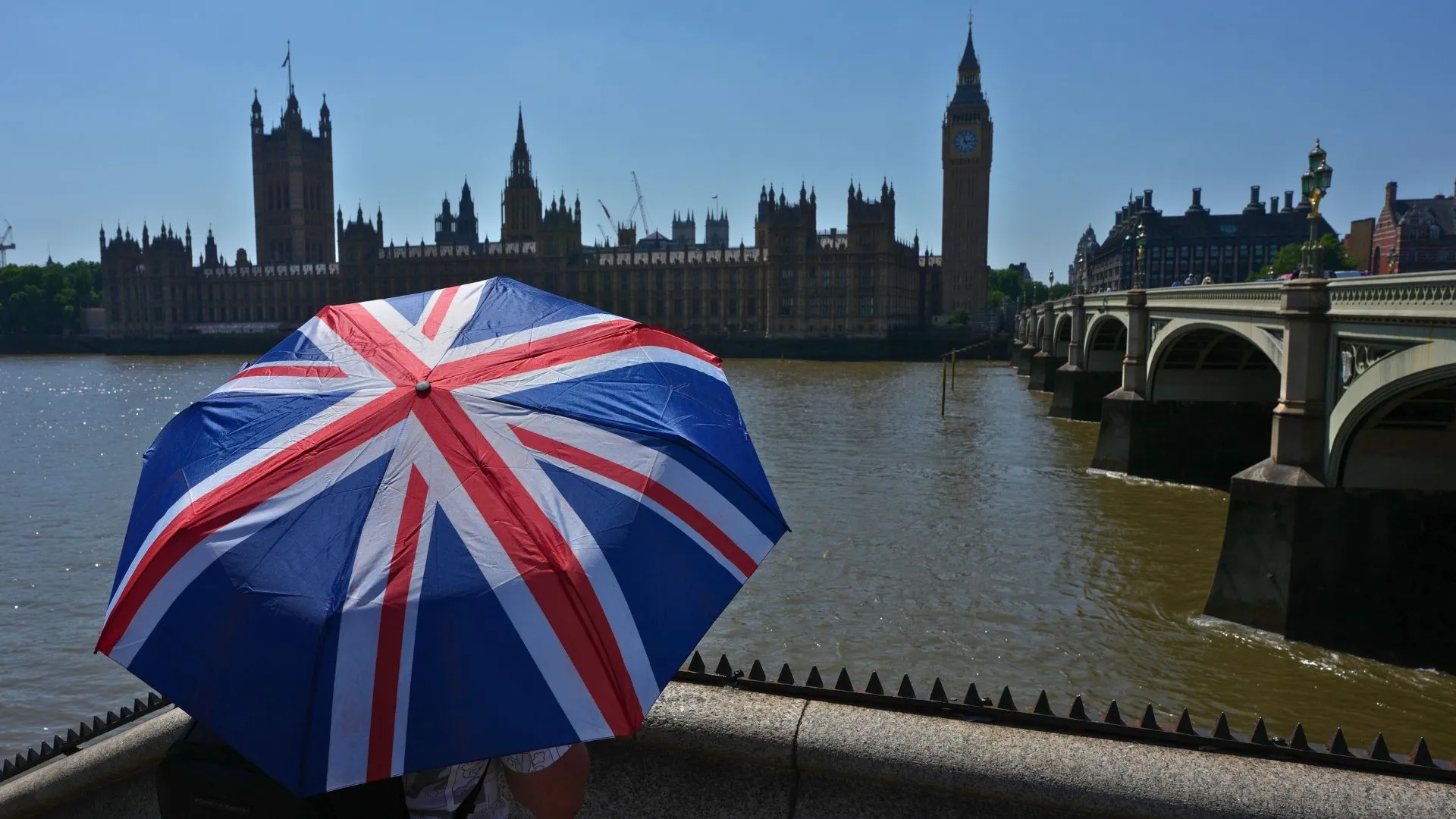
Impact of Early Summer Heatwaves on Mortality
Recent analysis suggests a substantial increase in mortality across England and Wales, with more than 2,700 deaths linked to the unusually intense heatwaves experienced in May and June. These periods saw temperatures climb to record highs, prompting concerns about the health implications of a changing climate.
The study, which involved researchers from Imperial College London, the Met Office, and the London School of Hygiene and Tropical Medicine, estimated approximately 550 heat-related fatalities between May 21 and May 29. A more significant number, nearly 2,200 deaths, were recorded from June 18 to June 28. These figures highlight the acute health risks posed by prolonged periods of extreme heat, particularly when they occur earlier in the year than typically anticipated.
The methodology for these estimates integrated various data sources, including meteorological information, advanced climate models, and existing research on excess mortality during severe weather events. While these findings provide an initial assessment, the UK Health Security Agency (UKHSA) has indicated that it will release its official statistics on heat-related deaths in the coming weeks, based on a comprehensive review of death records from the recent heatwave periods.
Climate Change and Intensified Heat Events
The United Kingdom, alongside a significant portion of Europe, has encountered two distinct record-setting heatwaves this year. Temperatures in England notably reached 35.1 degrees Celsius (95.2 degrees Fahrenheit) in May, followed by an even higher peak of 37.7 degrees Celsius (99.9 degrees Fahrenheit) in June. These temperatures are considered exceptionally high for the UK and Western Europe, particularly given their early occurrence in the calendar year.
Mark McCarthy, who manages the climate attribution team at the Met Office, underscored the extraordinary nature of these events, noting their intensity and the unusual timing. Scientists involved in the research emphasized the critical role of climate change in exacerbating the frequency and severity of such heatwaves. Their analysis suggests that maximum daytime temperatures during these periods were up to 4 degrees Celsius (7.2 degrees Fahrenheit) higher than they would have been in the absence of global warming.
The Climate Change Committee (CCC), an advisory body to the British government on climate-related matters, issued a warning last year regarding the UK's preparedness for the impacts of climate change. The committee concluded that the nation was 'not ready' to effectively manage the projected consequences, including more frequent and intense heat events.
“They were extreme heatwaves for the UK, and for all parts of Western Europe, and they’re particularly exceptional for the timing and how early in the year they occurred,” said Mark McCarthy, the science manager at the Met’s climate attribution team.
Addressing Future Climate Risks
Lea Berrang Ford, associated with the UKHSA’s Centre for Climate and Health Security, commented on the significance of the recent study. She stated that the findings would 'help illustrate the scale of risk associated with extreme heat and the growing threat climate change poses to our wellbeing.' This perspective underscores the need for proactive measures to mitigate the health impacts of future heatwaves.
A report published by the UKHSA in May projected that by 2050, as many as 92 percent of British homes could experience uncomfortably high temperatures. In light of this, the agency recommended that the government establish maximum temperature limits in workplaces and invest in cooling infrastructure, such as air conditioning, for essential public facilities like hospitals and schools. Such preparations are deemed crucial for safeguarding public health in the face of increasingly extreme weather conditions.
The research on heat-related deaths in the UK aligns with broader European trends. Data indicates that over 10,000 excess deaths were recorded across Western Europe during the late June heatwaves. EuroMOMO, a collaborative network supported by the European Centre for Disease Prevention and Control and the World Health Organization, reported that the majority of these fatalities, approximately 9,000, occurred among individuals aged 65 and older. By pooling national mortality statistics from 27 European countries for June, scientists concluded that, in the absence of other significant contributing factors such as COVID-19 outbreaks, the heatwave was the most probable cause for the spike of 10,650 excess deaths observed between June 22 and June 28.
Source: Original Article
Related Articles
 environment
Typhoon Bavi Strikes China's Eastern Shore, Prompting Mass Evacuations
 environment
Wildfires Near Paris Lead to Evacuations and Transport Disruptions Amidst Heatwave
 environment
Western Europe Experiences Hottest June on Record Amidst Widespread Heatwaves
 environment