
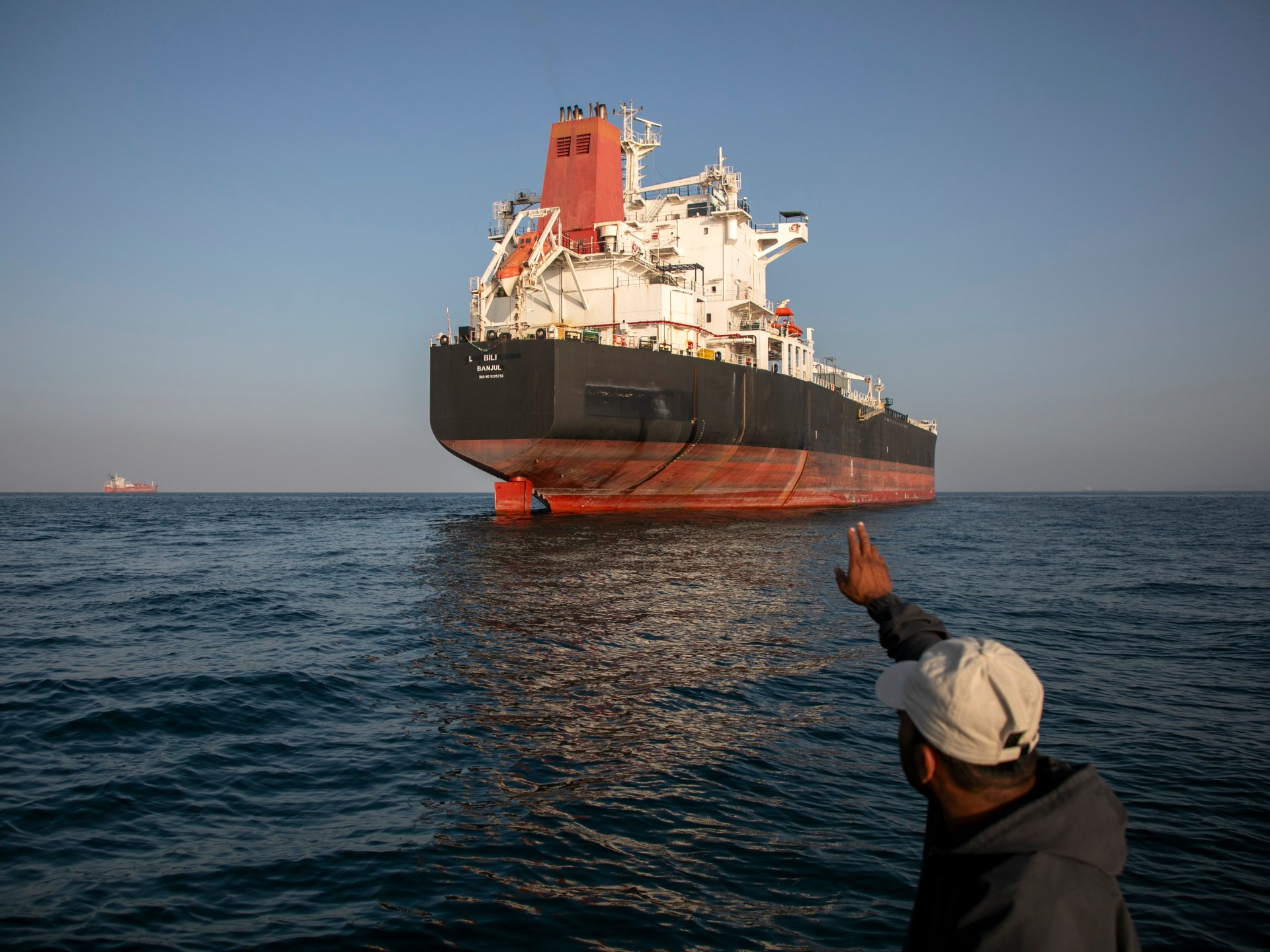
Recent Developments in the Strait of Hormuz
The strategic Strait of Hormuz, a vital maritime artery for global oil shipments, has once again become a focal point of international attention following recent military actions. Reports indicate that the United States military conducted strikes in the vicinity of Bandar Abbas, a significant port city in southern Iran. This development marks a notable escalation in the ongoing regional tensions, drawing scrutiny from international observers and stakeholders concerned about stability in the Middle East.
The Incident Near Bandar Abbas
Details surrounding the US strikes near Bandar Abbas remain somewhat limited, but the incident has been confirmed by various sources. Bandar Abbas is not only a major port but also a key naval base for Iran, situated strategically on the Strait of Hormuz. The proximity of these strikes to such a critical Iranian military and economic hub underscores the heightened state of alert and potential for broader confrontation in the region. The specific targets of these strikes have not been fully disclosed, nor has the precise nature of the military assets involved in the operation.
Iranian Response and Lack of Reported Damage
Following the US actions, Iranian authorities have issued statements regarding the incident. Notably, Iran has reported that there were no casualties or significant damage sustained as a result of the strikes. This assessment, if accurate, suggests that the immediate impact on Iranian infrastructure and personnel was minimal. However, the absence of physical damage does not diminish the political and strategic implications of such an event. The act of striking near a major Iranian installation, regardless of the outcome, sends a clear signal and contributes to an atmosphere of increased volatility.
Context of Rising Tensions in the Region
The recent US strikes occur against a backdrop of persistently high tensions between the United States and Iran. For an extended period, the two nations have been engaged in a complex geopolitical standoff, characterized by diplomatic disputes, economic sanctions, and intermittent military posturing. The Strait of Hormuz has frequently been a flashpoint in this broader conflict, owing to its critical role in global energy markets. Approximately one-fifth of the world's oil supply passes through this narrow waterway, making any disruption a matter of international economic concern.
The Strait of Hormuz is a crucial chokepoint for global oil transit, making any military activity in the area a subject of intense international scrutiny and concern for global energy security.
Implications for International Shipping and Stability
The escalation of military activity in and around the Strait of Hormuz carries significant implications for international shipping and regional stability. Shipping companies and maritime insurers closely monitor developments in this area, as increased risks can lead to higher operational costs and potential delays. Furthermore, the possibility of miscalculation or unintended escalation between major powers in such a sensitive region poses a severe threat to peace and security, potentially drawing in other regional and international actors.
Looking Ahead: The Path to De-escalation
As the situation unfolds, the focus will likely turn to efforts to de-escalate tensions and prevent further military engagements. Diplomacy and clear channels of communication are often cited as essential tools in managing such crises. However, given the deep-seated mistrust and divergent strategic interests between the parties involved, finding a viable path to de-escalation remains a significant challenge. The international community will undoubtedly continue to urge restraint and advocate for peaceful resolutions to ensure the free flow of commerce and prevent a broader conflict in this critical part of the world.
Source: Al Jazeera
Related Articles
 world
world
Escalating Tensions: US and Iran Exchange Strikes Amid Regional Unrest
 world
world
US Reinstates Sanctions on UN Palestinian Rights Expert Francesca Albanese
 world
world
Ghana Repatriates Citizens Amidst South Africa's Anti-Immigrant Climate
 world
world