

Spain's Regularization Drive: Over a Million Migrants Seek Legal Status Amidst European Trends
Spain's recent program to regularize the status of undocumented migrants has garnered an unexpectedly high level of participation, with more than 1.1 million individuals applying for legal residency. This figure nearly doubles the government's initial estimate of half a million applicants, highlighting the significant number of people who have been living without legal documentation within the country for extended periods.
The initiative, which ran from April to June 30, marks Spain's first comprehensive regularization process since 2005. It represents a notable departure from the increasingly restrictive immigration policies observed across many other European nations.
Personal Narratives of Undocumented Life
Among the applicants is Badr Tmairi, a 22-year-old from Morocco, who has resided in Spain without legal status for six years. Tmairi arrived alone at the age of 16 and, despite briefly holding legal residency after turning 18, lost it due to an oversight in renewal. His aspiration is to regain his legal status to pursue a career as a hairdresser and visit his family in Morocco. For the past year, Tmairi has experienced homelessness, underscoring the severe challenges undocumented individuals face in securing stable employment and housing.
Rocio Neciosupe, a 54-year-old Peruvian migrant, shares a similar struggle. Having spent two years in Spain without legal documentation, she emphasizes that regularization is not about receiving handouts, but about the fundamental right to work with dignity and protection. Neciosupe, who works as a cleaner across multiple locations in Madrid, recently sustained a back injury. Without a formal contract or legal status, she lacks access to sick leave, forcing her husband to assist her with work tasks as she recovers to avoid loss of income. Her application, along with those of her husband and two daughters, has been accepted for processing, and they await a final decision.
Josselyn Aguirre, a 32-year-old nursing assistant from Ecuador, also applied for regularization. After her visa application for the United States was denied, she moved to Spain in 2024 with the aim of contributing to the care sector. She views her regularization as mutually beneficial, allowing her to work professionally in a field experiencing staff shortages, while also contributing to Spanish society.
Advocacy and Societal Support
The sheer volume of applications underscores the long-standing issue of undocumented populations in Spain. Edith Espinola, president of the Active Domestic Workers’ Service Association (SEDOAC) and spokesperson for the Regularizacion Ya (Regularisation Now) collective, highlighted that the high number of applicants reveals a systemic failure in protecting vulnerable individuals. Regularizacion Ya, a migrant-led movement, has been advocating for regularization since 2020, gaining broad support from civil society organizations, the Catholic Church, trade unions, and business associations.
Espinola argues that living without legal status condemns individuals to social exclusion, depriving them of rights and protection against abuse. This sentiment is echoed by the experiences of many applicants, who, despite contributing to the economy, remain marginalized.
Economic and Demographic Considerations
The Spanish government has framed the regularization measure as an investment in the country's economic future. Prime Minister Pedro Sanchez has articulated the potential negative consequences of not embracing immigration, suggesting that by 2050, Spain's GDP could be 19 percent lower, with significant closures across various sectors, including bars, classrooms, and farms. This perspective aligns with Neciosupe's sentiment: “I want to support the country I live in, and if the country grows, we grow too.”
Gonzalo Fanjul, director of ISGlobal’s policy and development team and head of Research at the porCausa Foundation, supports this view, pointing to the economic struggles in sectors like care work in countries with hostile anti-migration policies. Spain, with its aging population, faces a critical need for skilled workers in these areas, making the integration of migrants a practical necessity.
The applicants largely consist of individuals already residing in Spain and working in the informal economy, with 57 percent being men, a majority originating from Latin American countries, and six out of ten being under 34 years old. So far, the regularization process has led to 159,097 additional people registering with the Social Security system, a tangible demonstration of increased formal economic participation.
Challenges and Future Outlook
Out of the 1,174,978 applications received by the Ministry of Inclusion, Social Security and Migration, only 11,000 have received a favorable resolution to date. Approximately 608,000 applications have been accepted for processing, granting provisional residency and work permits while awaiting final decisions. The government has a three-month window to resolve the majority of these applications.
While acknowledging the positive step, Fanjul cautions that regularization is merely a starting point. He emphasizes that while the system has been reset, the underlying issues that led to widespread undocumented status remain unresolved. He advocates for the state to establish legal, safe, and orderly channels for labor mobility as a matter of common sense.
Despite criticism from opponents of regularization, Espinola believes the migrant community has emerged stronger, demonstrating its capacity for mutual support. She affirmed their commitment to monitor the processing of all applications to ensure proper resolution.
Source: ‘Country grows, we grow too’: 1 million migrants seek legal status in Spain
Related Articles
 world
world
Yemen's Houthi Movement Claims Retaliatory Strike on Saudi Airport Amid Escalating Tensions
 world
world
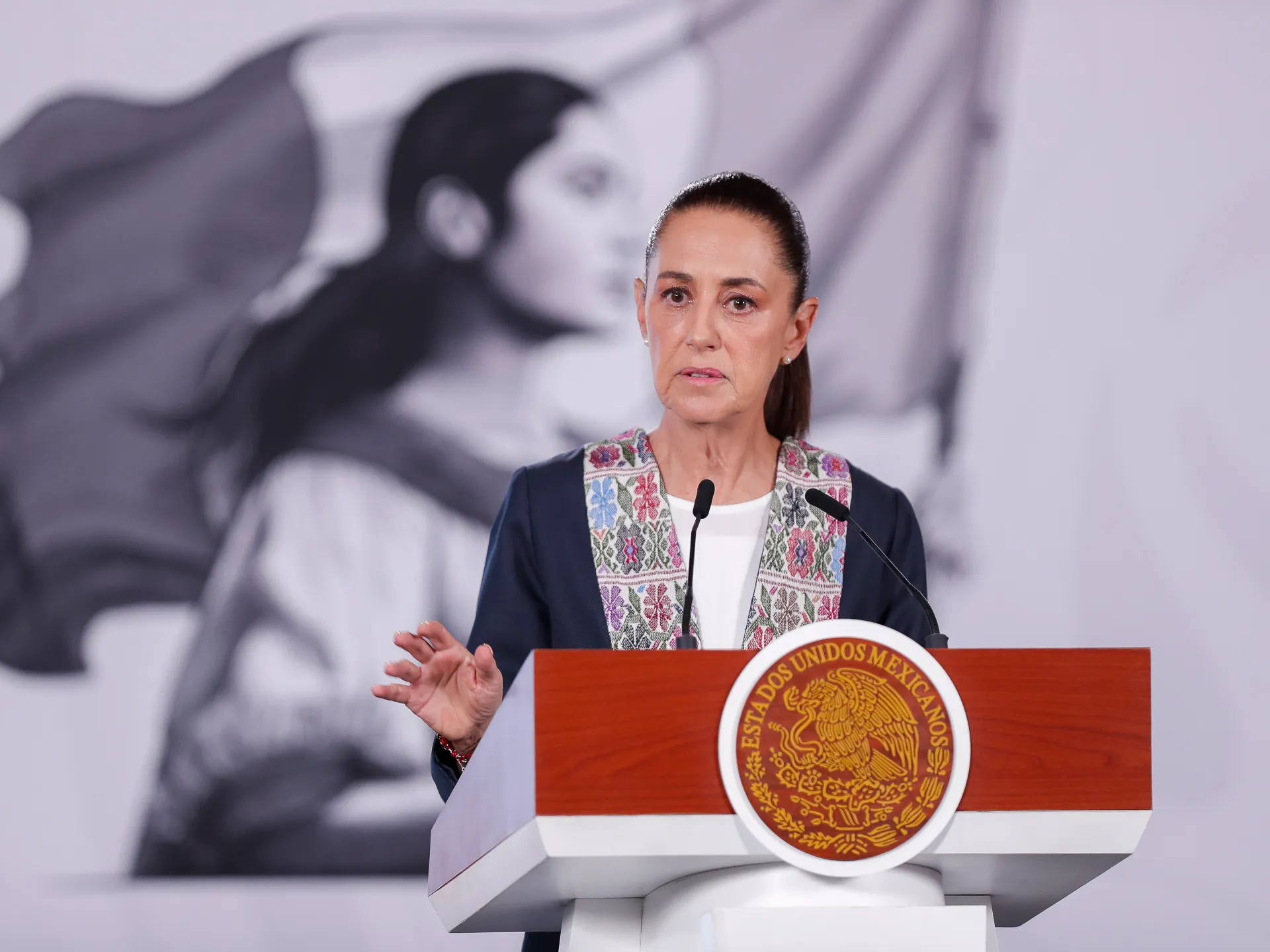
Mexico Requests U.S. Legal Action Over Immigration Deaths
 world
world
Former President Trump Issues Warning Regarding Iranian Nuclear Site Amid Regional Tensions
 world
world