
Widespread Fuel Scarcity Hits Russia
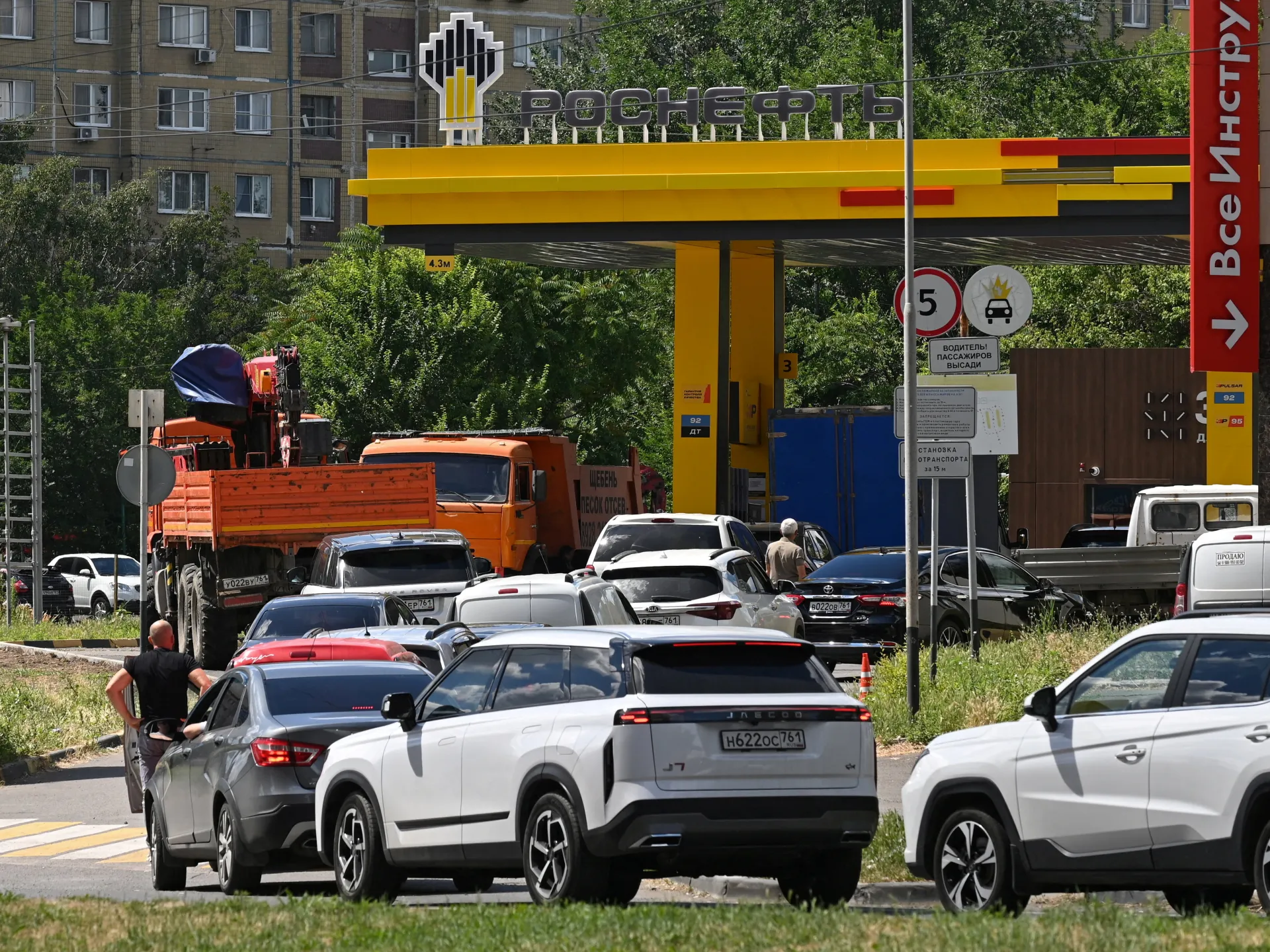
Russia is currently facing a substantial fuel deficit, a situation largely attributed to persistent Ukrainian drone strikes that have incapacitated a considerable portion of its oil refining infrastructure. As the conflict in Ukraine continues and the crucial agricultural harvesting season progresses, the Russian government is actively implementing measures to redirect supplies, maintain price controls, and enforce export restrictions in an effort to mitigate further domestic shortages.
Reports indicate that lengthy queues at petrol stations have become a common sight throughout Russia, including in the economically prominent capital, Moscow. Citizens are reportedly spending hours waiting to refuel their vehicles, with some areas experiencing completely dry pumps. While a degree of patience is evident among the populace, there is also a palpable sense of apprehension regarding the unfolding situation. One Moscow resident, Irina, expressed to Al Jazeera, “I’m deeply frightened by the uncertainty and the lack of understanding where the situation is heading.” Another resident, Igor, voiced concerns that “things can get out of control if the crisis causes major industries to shut down.” Both individuals requested anonymity for their surnames.
Economic Repercussions and Public Distrust
Analysts are projecting that the escalating fuel prices will inevitably lead to increased transportation costs, subsequently triggering significant price hikes for a broad range of goods and services. Stanislav Mitrakhovich, an expert associated with the National Energy Security Fund at the Russian Financial University, highlighted the profundity of the crisis, noting that Russian authorities had been slow to acknowledge its severity for an extended period. He further suggested that the government’s response has inadvertently fostered “greater public distrust” and, consequently, contributed to a surge in panic buying.
Mitrakhovich estimates that “indirect evidence indicates that Ukrainian drone attacks have disabled about a quarter of Russia’s oil refining capacity.” He also pointed out that seasonal demand has compounded the issue. The crisis has resulted in both rising fuel prices and localized shortages, particularly in regions that lack their own oil refining facilities. He characterized the situation as “even worse” in areas proximate to the conflict zone, where “measures to restrict and ration fuel sales have long been in place.”
Government Measures and International Sourcing
In response to the escalating problem, Russia has implemented fuel rationing. Sales are frequently restricted to approximately 20-30 liters (about 5-8 US gallons) per vehicle, and drivers are generally permitted to pump fuel exclusively into vehicle tanks, with the filling of jerry cans largely prohibited. Earlier, the government had already banned the export of petrol and jet fuel, and officials are now considering a similar ban on diesel exports. Additionally, authorities have temporarily relaxed fuel-quality regulations, permitting the use of lower-grade fuel for the domestic market. In Russian-controlled Crimea, a state of emergency has been declared.
With the agricultural harvesting season approaching and its reliance on a consistent supply of diesel, authorities are prioritizing allocations for farming operations to safeguard food security. To address the domestic shortfall, Moscow has been seeking fuel imports from neighboring countries, including Belarus, as well as from Asian markets. Industry sources cited by Reuters news agency indicate that Moscow has imported between 60,000 and 80,000 tonnes of petrol from India. Russia reportedly aims to import 400,000 tonnes of petrol monthly from various international sources.
Official Stance and Future Outlook
Despite acknowledging the existence of the crisis, Russian President Vladimir Putin has expressed reluctance to cease the conflict in Ukraine, maintaining that the situation remains under control. He stated, “These attacks on our facilities certainly create problems, that is obvious. We are currently seeing a certain shortage, though I would say it is not critical.” Putin emphasized the need to “rapidly and significantly increase production of air defence systems that are most in demand” and to “continue to improve them,” while also stressing that “repairs at refineries must be completed more quickly.”
Ukraine, for its part, is capitalizing on the situation. President Volodymyr Zelenskyy has authorized a 40-day military and intelligence campaign, purportedly aimed at pressuring Russia into ending the war. Mitrakhovich suggests that the future trajectory of the crisis will depend on the relative effectiveness of Ukraine’s drone strikes versus Russia’s air defense capabilities.
Source: Original Article
Related Articles
 world
world
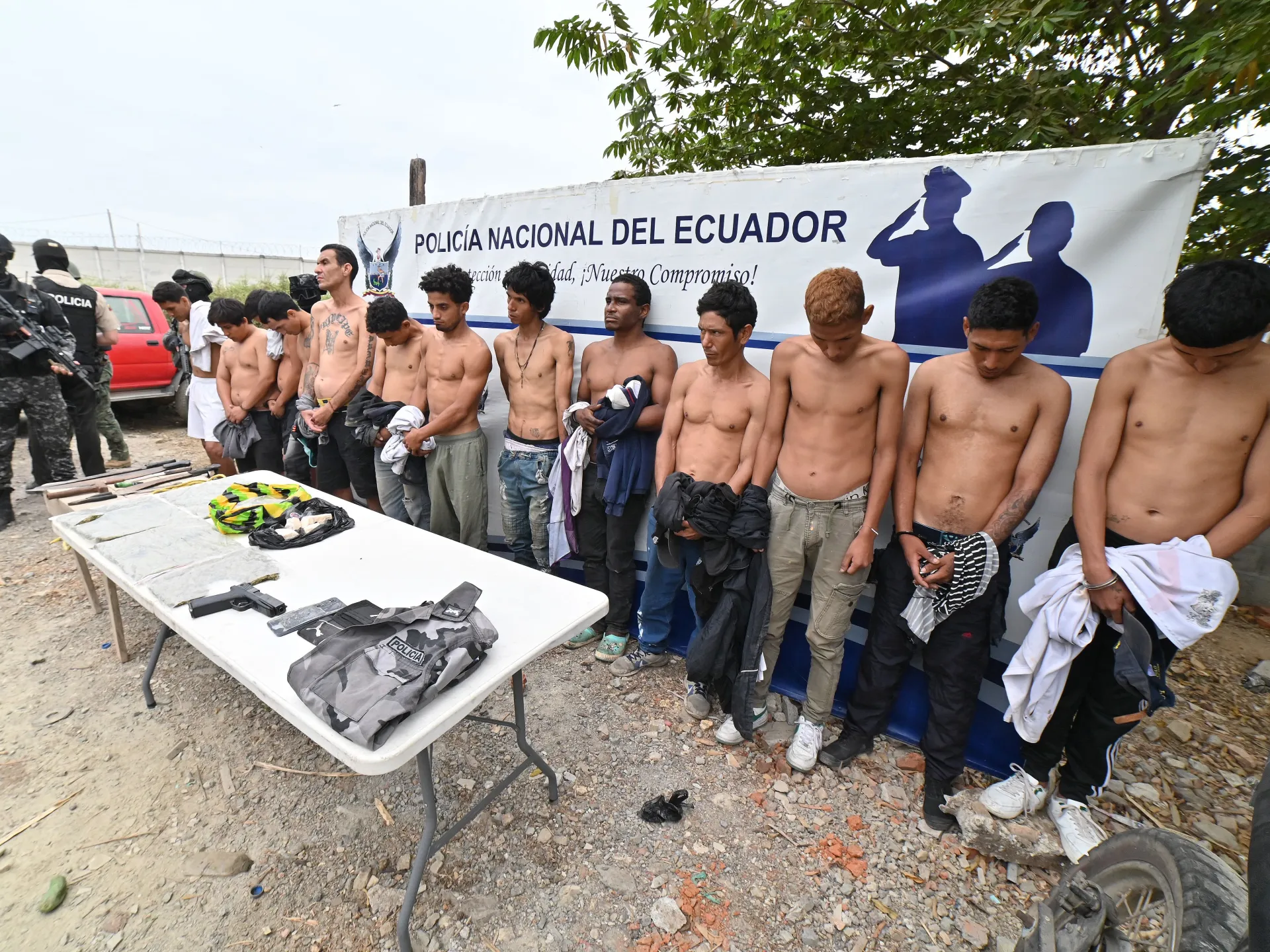
US Designates Ecuador's Chone Killers as Terrorist Organization Amid Broader Anti-Crime Efforts
 world
world
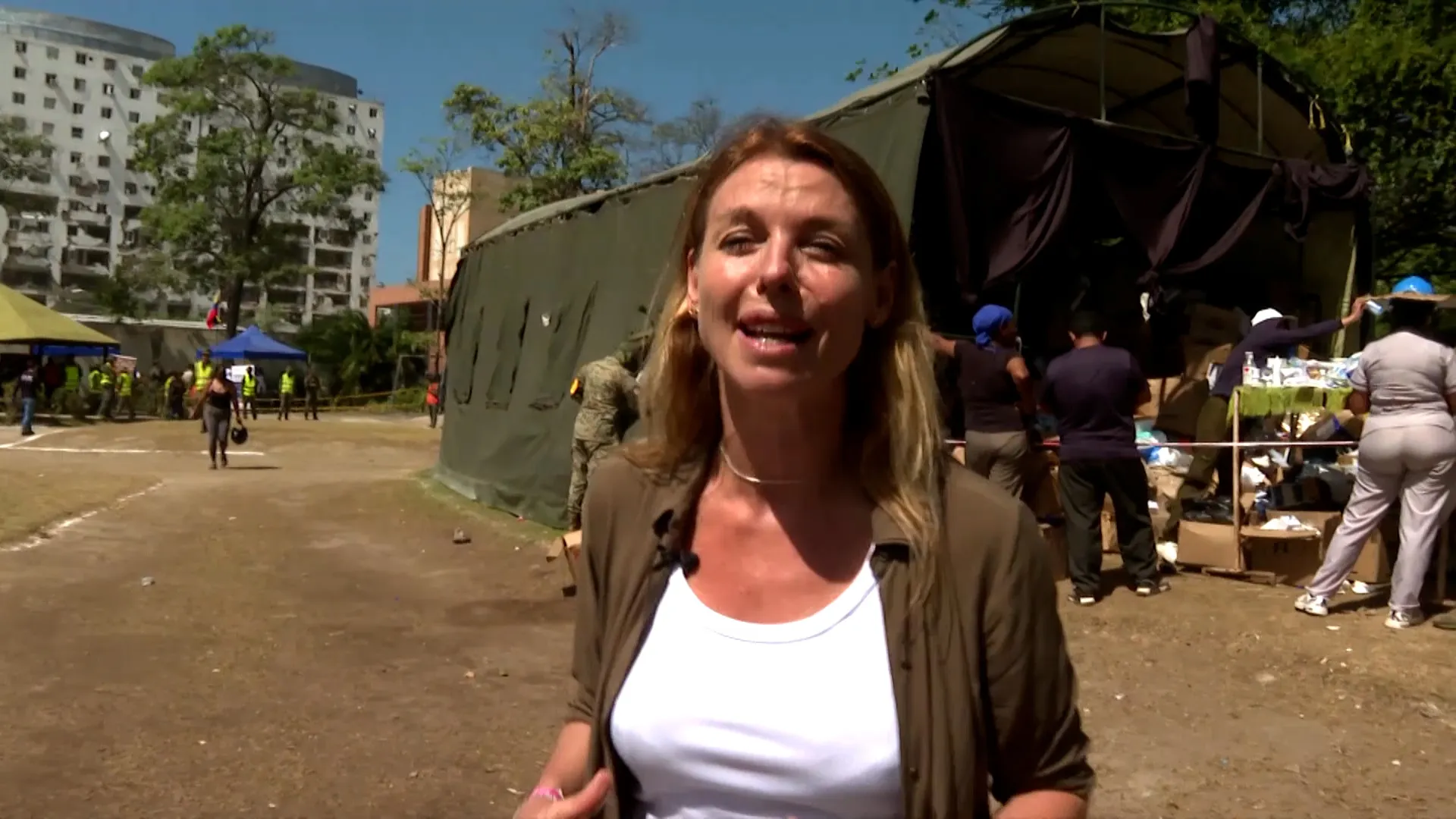
Venezuelan Earthquake Survivors Await Crucial International Assistance Amidst Devastation
 world
world
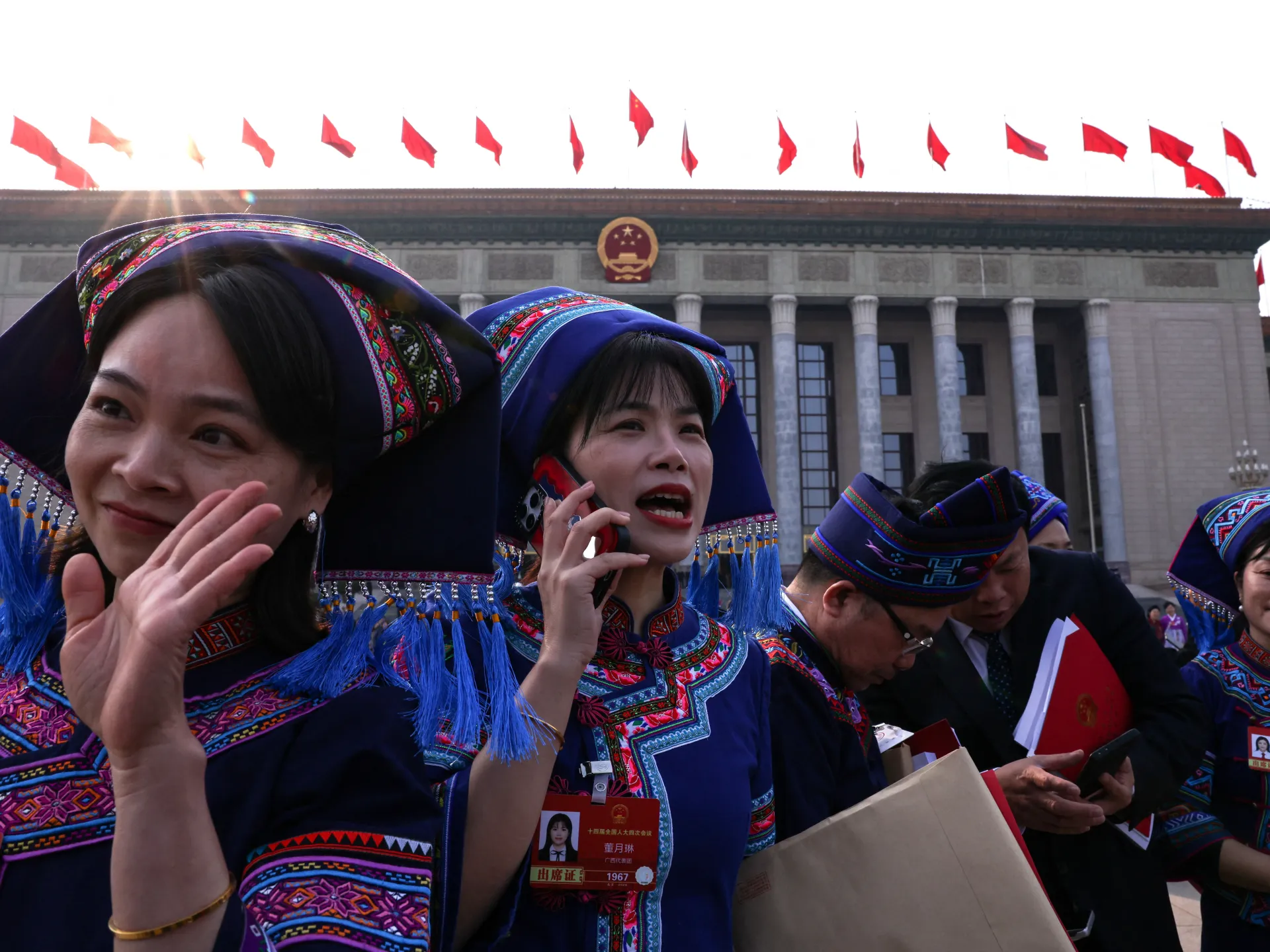
China's New Ethnic Unity Law Expands Extraterritorial Legal Reach
 world
world