
Secretary Rubio's Gulf Diplomacy and Hormuz Concerns
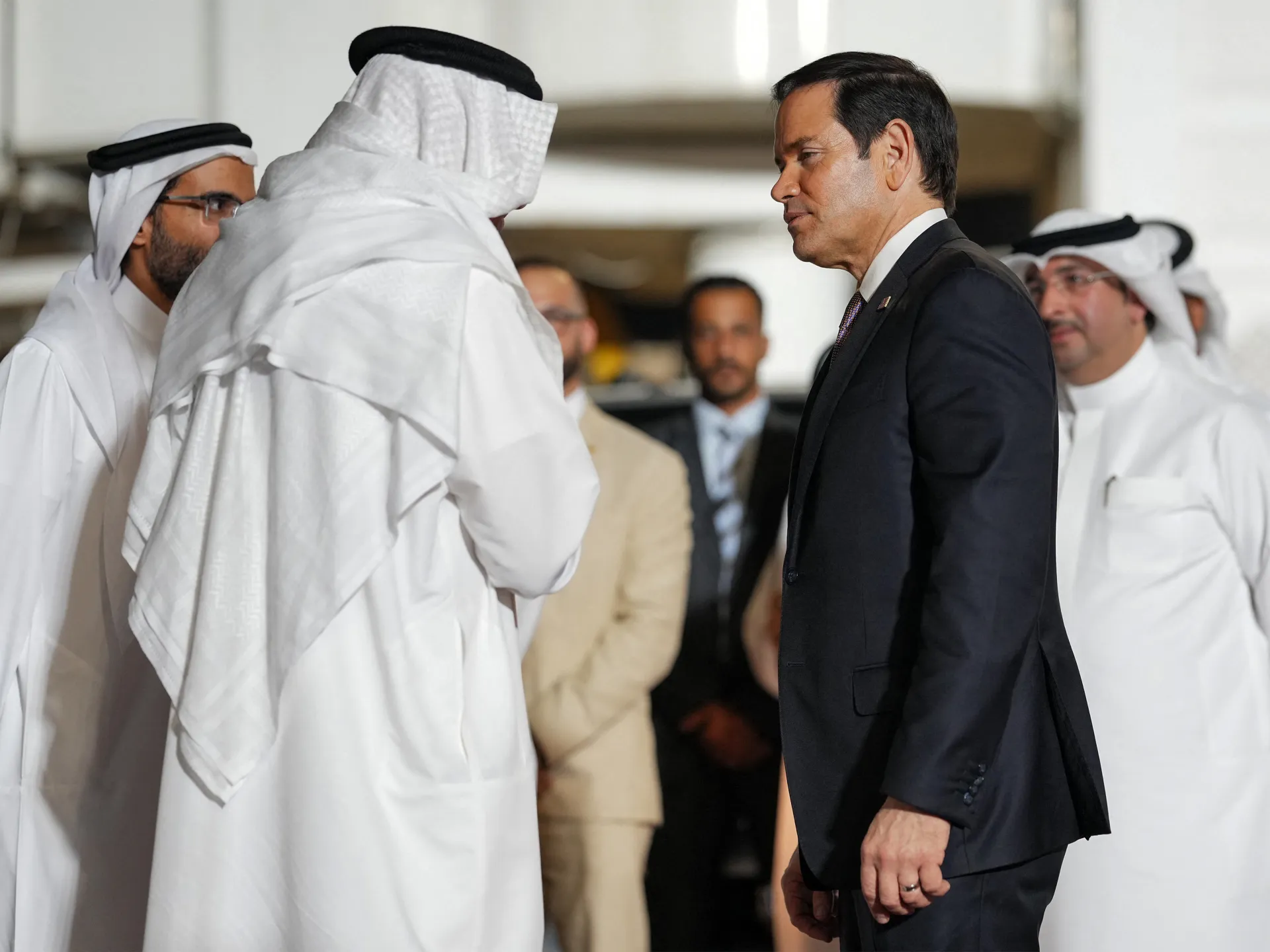
US Secretary of State Marco Rubio recently wrapped up a significant diplomatic mission to the Gulf region, where a primary focus was to garner support from key allies for an interim agreement between the United States and Iran. A central theme of his discussions involved a stern warning against any potential Iranian attempts to levy tolls on vessels transiting the Strait of Hormuz, a critical international waterway. Rubio cautioned that such an action would have far-reaching negative implications, potentially spreading to other maritime routes globally like a 'contagion'.
Addressing a Gulf Cooperation Council (GCC) meeting in Bahrain, Rubio articulated the international community's stance on free navigation. "International waterways do not belong to any nation-state," he asserted on Thursday. He underscored the principle that these maritime passages are shared resources, not subject to unilateral charges. The Secretary elaborated on the broader ramifications, stating, "If in fact we accepted that you can charge money to use an international waterway because it happens to be near your territorial space, well then, this will spread throughout the world like a contagion."
Rubio reported that there was unanimous opposition among Gulf countries to any Iranian imposition of tolls in the Strait of Hormuz. This consensus highlights the regional partners' shared concern for the stability and unimpeded flow of global commerce through this vital chokepoint.
Reassurance Amidst Regional Tensions
The Secretary's three-day tour marked the first high-level diplomatic engagement since the US and Iran reached a memorandum of understanding (MoU) to extend their existing ceasefire and initiate discussions toward a permanent resolution to the conflict. This conflict, which commenced on February 28 with US-Israeli strikes on Iran, has lasted over 100 days. Rubio acknowledged the delicate nature of his mission, particularly as he sought to alleviate the apprehensions of Gulf Arab leaders. Many of these leaders are wary that overly generous concessions to Tehran could inadvertently bolster Iran's regional influence and disrupt the existing security balance and global oil markets.
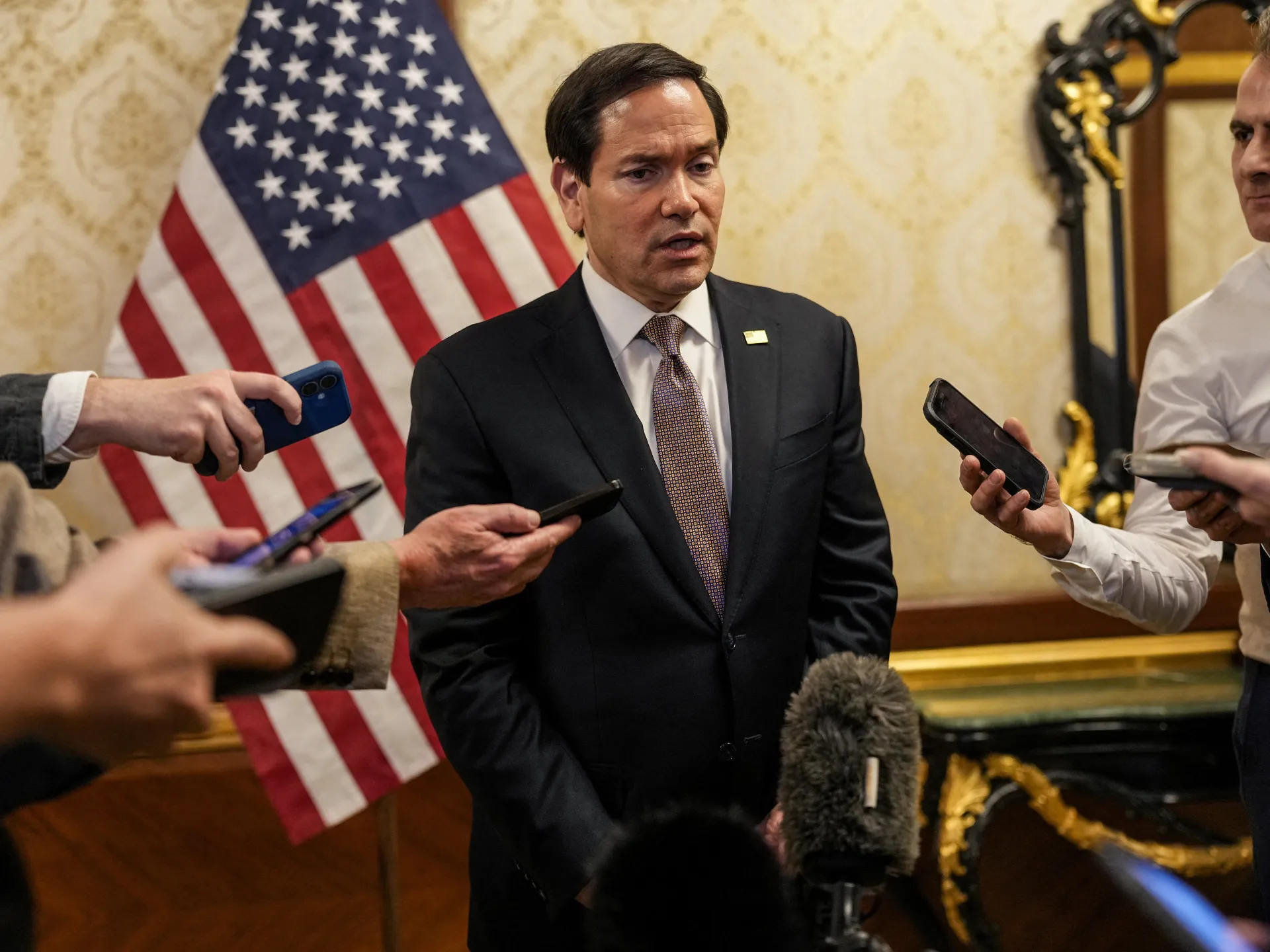
During his stop in Manama, Bahrain, Rubio assured leaders that the US is committed to ensuring that any agreement reached with Iran would fully consider the "interest of allies." He emphasized the US's desire for a lasting and genuine peace that does not compromise the security and prosperity of the United States or its regional partners. "We are open for peace that is enduring and real and doesn’t undermine security and prosperity for the US or its allies," Rubio stated during a news conference.
Economic Considerations and Reconstruction Funds
An additional point of clarification from Rubio concerned the potential for a reconstruction fund for Iran. He explicitly stated that discussions about such a fund with Gulf countries did not occur during his trip. Furthermore, he clarified that he would not be soliciting contributions from regional allies for any reconstruction fund, despite suggestions within the MoU with Iran that countries in the region might bear partial responsibility for financing such efforts.
Prior to his visit to Bahrain, Rubio made stops in the United Arab Emirates and Kuwait. In both locations, he aimed to reassure officials that the proposed deal was not unduly favorable to Iran, a nation that had engaged in hostilities with all GCC states during the recent conflict. In Kuwait, he reiterated the US's unwavering commitment to its allies, telling reporters, "We’re not going to do anything that undermines the security of our allies, our longstanding allies in the region."
This diplomatic outreach underscores the United States' efforts to navigate complex regional dynamics, balance its strategic interests, and maintain strong alliances while pursuing a resolution to the conflict with Iran.
Source: Original Article
Related Articles
 world
world
ICC Judges Challenge Trump Sanctions, Citing Unlawful Coercion
 world
world
Regional Tensions Escalate: Iran Rejects New Hormuz Route, US Secretary of State Engages GCC Leaders Amidst Broader Conflicts
 world
world
Dual Earthquakes Trigger Widespread Alarm in Venezuela
 world
world