
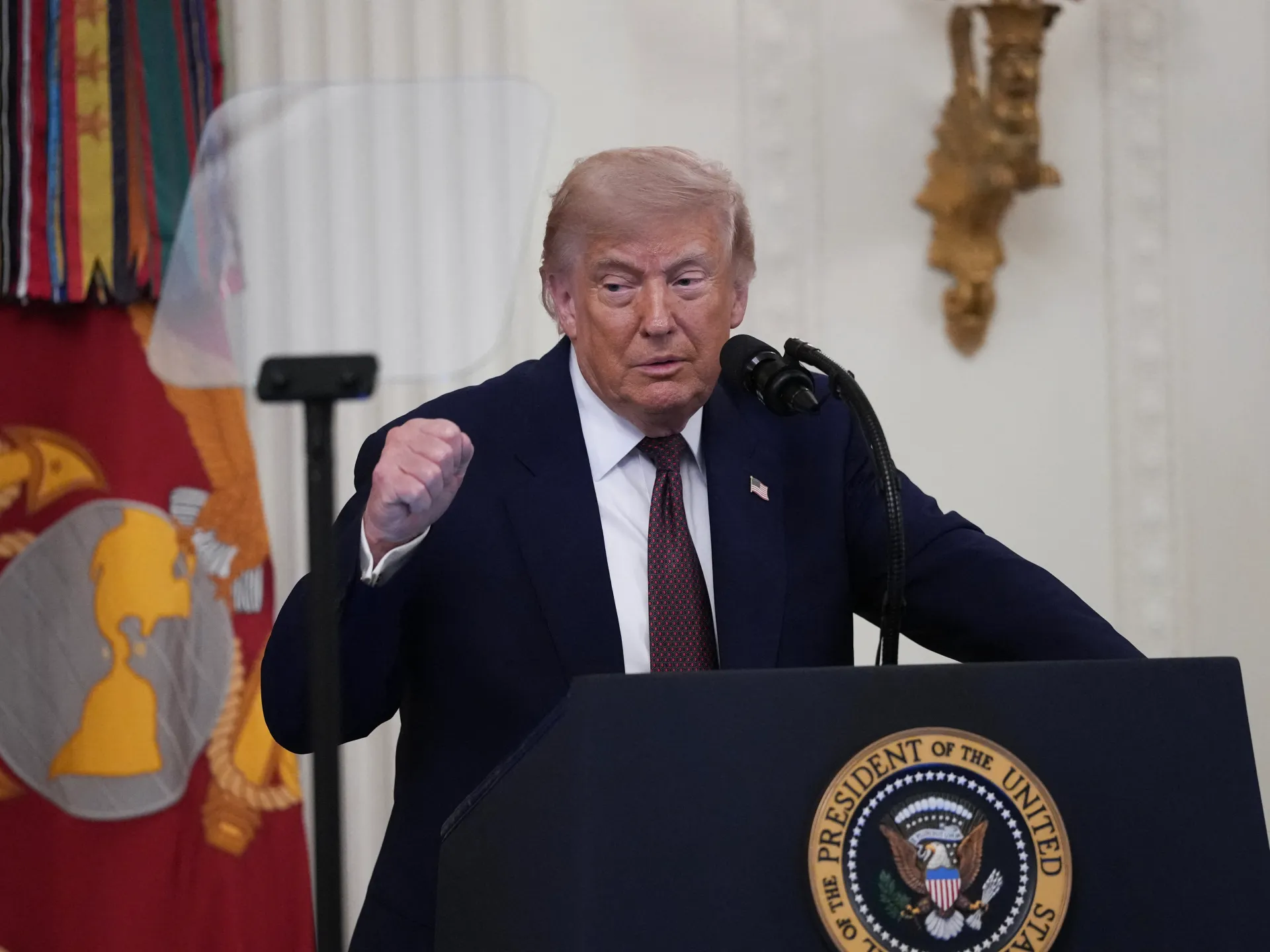
Navigating Public Opinion in Foreign Policy
The recent peace agreement concerning Iran has elicited a diverse range of responses within the United States, yet a significant consensus among the American populace points towards a desire for de-escalation and economic stability. This overarching public sentiment is playing a critical role in shaping the political discourse and acceptance of the deal, even as it faces scrutiny from various political groups.
When examining the reactions to both the conflict with Iran and the subsequent peace initiatives, four distinct viewpoints emerge. There are those who initially supported military action and now endorse the peace agreement. A second group comprises those who supported the war but remain dissatisfied with the current peace terms. A third category includes individuals who opposed the war and continue to express disapproval of the peace deal. Finally, the largest and arguably most influential group consists of those who opposed the war and now support the peace. This latter demographic largely represents the broader American public, which has consistently voiced weariness with Middle Eastern conflicts and welcomes any resolution that promises relief from rising fuel and grocery costs.
Political Factions and Their Stances
The smallest group, those who supported the war and now support the peace, is primarily associated with the administration's inner circle. Conversely, congressional Democrats largely constitute the third group, often unified in their opposition to the president's initiatives, regardless of their specific merits. Congressional Republicans, who initially championed military action, form the second group. While they cheered the onset of hostilities, many have expressed quiet reservations about the specifics of the memorandum of understanding, perceiving it as not significantly superior to the 2015 nuclear deal under the previous administration.
The potential for these varied reactions to complicate the administration's efforts hinges on whether Congress is granted a role in ratifying a more permanent agreement following further negotiations. From a comparative standpoint, it is challenging to assert that the current administration's achievements significantly surpass those of the Joint Comprehensive Plan of Action (JCPOA) negotiated by the Obama administration.
Key Insights from the Conflict and Negotiations
The recent engagement with Iran has provided several crucial lessons for future foreign policy endeavors:
- Feasibility of Regime Change: The conflict underscored the impracticality of regime change in Iran without a substantial ground troop deployment, an option that the American public overwhelmingly rejected.
- Capacity for Targeted Action: It demonstrated the United States' and Israel's capability and willingness to target Iranian leadership, operating outside conventional legal constraints regarding the assassination of foreign leaders.
- Economic Repercussions: The conflict highlighted Iran's capacity to disrupt the global economy and destabilize regional neighbors, indicating that military action against Iran carries significant economic costs.
- Unpredictability of Conflict: The notion of a 'short and sweet' war, particularly in the Middle East, proved to be an illusion. Conflicts in the region are inherently complex and rarely unfold as anticipated.
- Allied Support in 'Wars of Choice': The conflict revealed a reluctance among traditional allies, particularly NATO members, to participate in 'wars of choice' not directly related to collective defense.
- Challenges in Negotiation: The experience reinforced the perception that negotiating with Iran is exceptionally difficult, implying that agreements may never be fully settled. The current administration has reserved the right to use force if Iran fails to uphold its commitments, a stance that needs clear communication.
- Pragmatism in Diplomacy: The situation demonstrated a willingness by the president to adjust strategy and even distance from allies like Israel to achieve broader objectives.
- Impact of External Intervention on Internal Dynamics: Bombing campaigns were observed to inadvertently strengthen the Iranian regime by fostering national unity against external threats, rather than inciting internal revolution. Economic pressure was identified as a more effective tool for compelling change.
- Importance of Negotiating Partners: A critical challenge during negotiations was identifying a legitimate and willing representative for the Iranian people, underscoring the importance of preserving channels for dialogue.
- Public as the Ultimate Arbiter: Ultimately, the American people's consistent desire for peace, lower living costs, and an end to military expenditure emerged as the most significant factor guiding the nation's approach.
Political Discrepancies and the Path Forward
Throughout this period, Democrats have been perceived as intellectually inconsistent. While acknowledging the Iranian regime's hostile actions, its nuclear ambitions, and the flaws of the JCPOA, they often opposed the administration's efforts to address these issues, largely due to a lack of trust in the president. Republicans, while intellectually consistent in their hawkish stance, found themselves out of step with their own voter base. They supported the war but failed to recognize the public's aversion to regime change through a full invasion, even among the president's core supporters. Many Republican war hawks prefer continued conflict over an imperfect peace.
The burden now falls on the administration to advocate for this imperfect peace. Despite its perceived flaws, the agreement could potentially lead to a more stable and affordable economy, a factor that will undoubtedly resonate with voters as the next election cycle approaches.
Source: Original Article
Related Articles
 politics
Colombia's Presidential Run-off: Leftist Continuity Faces Hardline Change
 politics
UK Prime Minister Starmer Faces Calls to Resign Following Burnham's By-Election Triumph
 politics
Iran's Political Factions Divided Over Interim US Peace Agreement
 politics