
Internal Divisions Emerge Over US-Iran Interim Peace Deal
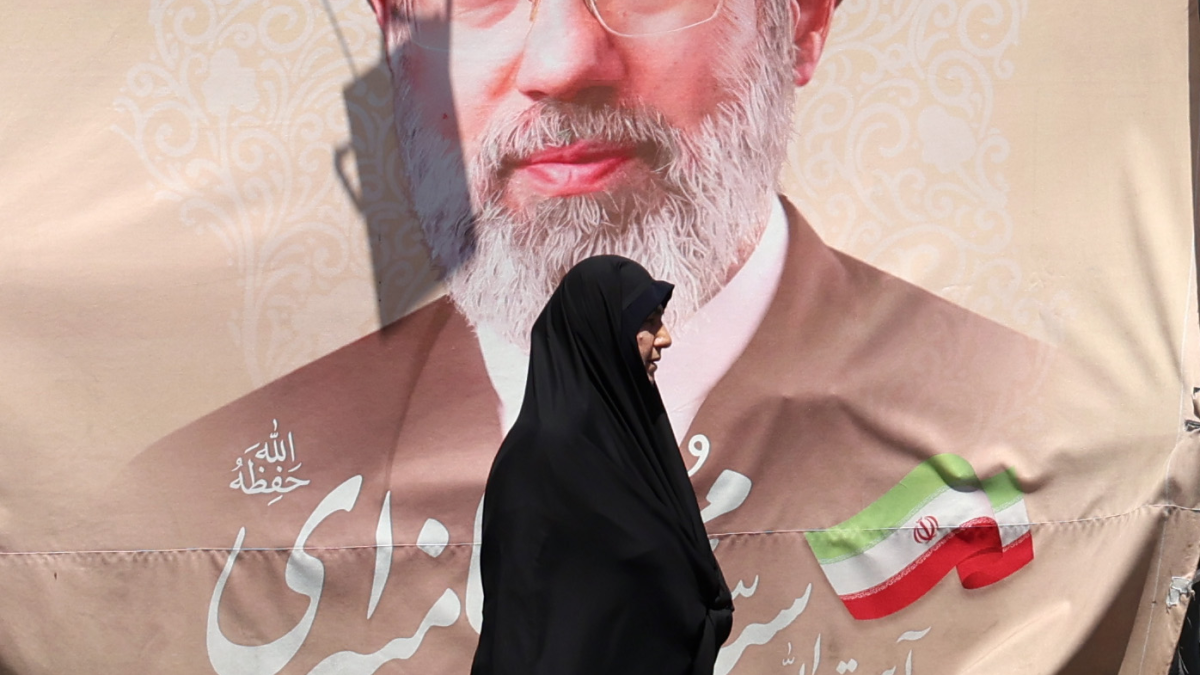
The political landscape in Iran is currently characterized by intense debate and divergent viewpoints regarding the recently signed interim peace deal with the United States. While the agreement, mediated by countries such as Pakistan and Qatar, aims to de-escalate tensions, it has simultaneously ignited a fierce internal struggle between Iran's hardline and moderate political factions. This division has been further exacerbated by the new Supreme Leader, Mojtaba Khamenei's, expressed reservations, which have empowered the hardline camp.
Supreme Leader's Stance and Its Implications
Mojtaba Khamenei, who succeeded his father in March, has maintained a low public profile since assuming the leadership. However, his written statement regarding the memorandum of understanding (MoU) with the US has clarified his position. Khamenei indicated that he initially held a different perspective on the deal but ultimately granted his permission after President Masoud Pezeshkian, as head of the Supreme National Security Council, explicitly accepted responsibility for it. The statement also emphasized that Pezeshkian committed to resisting any 'excessive demands' from the American side and that future in-person negotiations would not imply acceptance of the 'enemy’s position'.
Reports from Iranian state-linked media suggest that Khamenei also stipulated that at least three-quarters of the security council members, including military commanders, would need to approve the deal. While details of the voting process remain unconfirmed, it is believed that most members voted in favor. This conditional approval from the Supreme Leader has emboldened hardliners who view any concessions to Washington with deep skepticism and fear a potential resurgence of conflict with the US.
Official Responses and Reassurances
In response to the Supreme Leader's concerns, the Supreme National Security Council issued a statement affirming its commitment to safeguarding 'the rights of the Iranian nation and the resistance front' while honoring the memory of Iranian leaders who perished during the war with the US. The council pledged to approach future talks with 'total distrust' towards the US and outlined pre-determined plans for retaliation should the American side violate any provisions of the agreement.
President Pezeshkian, considered a moderate, hailed the agreement as a 'historic document and a message from a powerful Iran that peace will be realized under the shadow of mutual respect.' He further elaborated on X, stating, 'This text reflects the voice of a nation that has not traded its dignity and independence for any threat or pressure.'
Mohammad Bagher Ghalibaf, the parliamentary speaker and chief negotiator, acknowledged Khamenei's 'guiding and wise message,' noting that while the MoU consolidated wartime gains into the negotiation process, it marked 'the beginning of a difficult and winding road.' Ghalibaf also emphasized his desire for decisive authority during the negotiations, positioning himself as a 'post-war economic commander.' He stressed the importance for Iranian authorities to shift focus from military endeavors to alleviating economic pressure on the populace, a challenge exacerbated by the recent conflict and existing structural economic issues.
Hardline Opposition and Calls for Accountability
Hardline factions, particularly supporters of Khamenei, have voiced strong opposition to certain aspects of the deal. They insist that Iranian negotiators must continue to press for control of the Strait of Hormuz and be prepared to withdraw from talks if this demand is not met. State-backed rallies, a nightly occurrence during the war, have become platforms for criticism directed at President Pezeshkian, Ghalibaf, and Foreign Minister Abbas Araghchi, all of whom are perceived by hardliners as being too willing to offer concessions to the US.
Mohammad Ali Bakhshi, a state-backed religious eulogist, issued a stark warning in Shahr-e Ray, stating, 'Mr President, if the conditions set by the supreme leader are not realised, it will be us, the blade and your throat. We will make you miserable.' This strong rhetoric led to a demand from Mehdi Tabatabaei, a communications official in the president’s office, for the prosecution of Bakhshi and other 'suspicious elements' for inciting discord.
Some hardline members of parliament have also called for the full reopening of parliament, which has largely remained closed since the war began, to potentially block any deal deemed detrimental to Iranian interests. Mohammad Mannan Raisi, a representative from Qom, posted on X, 'Be fair and open the parliament, my supreme leader is left alone.' In Mashhad, Ayatollah Ahmad Alamolhoda, an influential Friday prayers leader and representative of the supreme leader, declared, 'Our fight is not over' with Washington, referencing historical grievances and vowing vengeance for martyred leaders.
The contrasting views are also evident in Iranian media. Conservative dailies acknowledged the Supreme Leader's conditional permission for the deal but highlighted the difficult path ahead for peace. In contrast, the reformist-minded newspaper Etemad described the memorandum of understanding as a 'victory document,' underscoring the deep ideological chasm within Iran's political establishment regarding the unconfirmed details of the agreement with the US.
Source: Where do Iran’s political factions stand on the US peace deal?
Related Articles
 politics
Building Bridges of Belief: A 'Trust & Transparency' Campaign for Unemployment Data
 politics
Trump Administration's Interim Iran Agreement Faces Republican Scrutiny
 politics
The Transformation of Sweden's Far-Right: From Fringe to Governmental Influence
 politics