
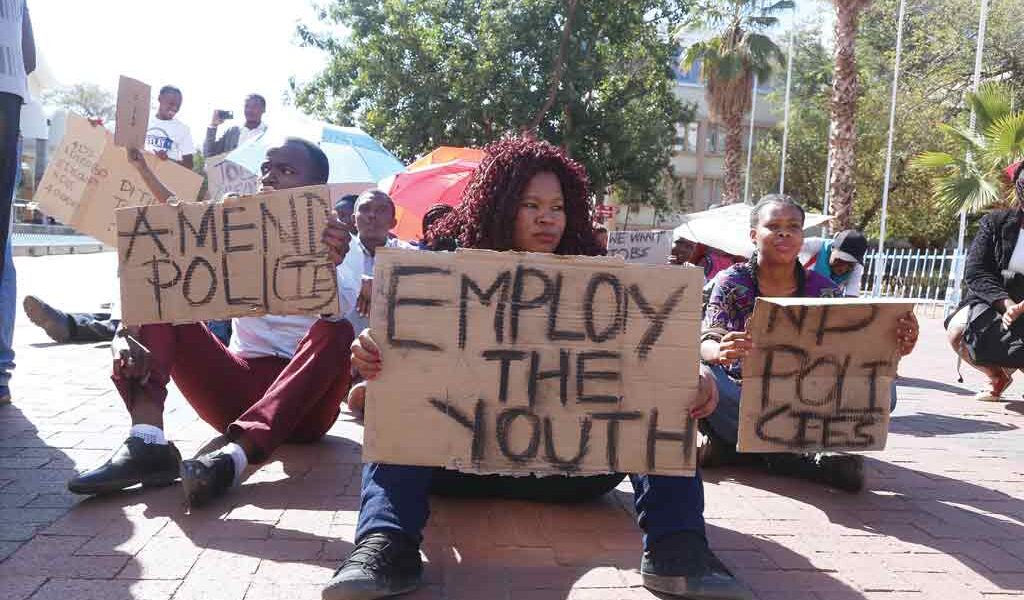
At Wai-y, we believe in the power of clear, credible information to empower individuals and strengthen communities. This conviction is particularly pertinent when discussing something as fundamental as unemployment data. Far from being mere numbers, these statistics reflect the pulse of our economy and the well-being of our workforce. Therefore, establishing a 'Trust & Transparency' campaign around unemployment data is not just a good idea; it's an essential step towards a more informed, confident, and resilient society.
The Imperative of Trust in Economic Data
In today's fast-paced information landscape, skepticism can easily take root, especially concerning government-released statistics. Concerns about methodology, collection biases, or even political motivations can erode public confidence. A proactive 'Trust & Transparency' campaign directly addresses these potential doubts, transforming them into opportunities for engagement and education. By openly sharing how data is collected, analyzed, and presented, we can demystify the process and build an unshakeable foundation of trust.
Why Transparency Fuels Confidence
Transparency is the bedrock of trust. When citizens understand the rigorous processes behind unemployment figures, their confidence naturally grows. This campaign would illuminate the meticulous efforts undertaken by statistical agencies, showcasing the dedication of professionals committed to accuracy. It's about pulling back the curtain, revealing the sophisticated methodologies and the commitment to impartiality that underpins every data point.
“Transparency is not just about showing the data; it's about showing the journey of the data, from collection to conclusion, fostering an undeniable sense of reliability.”
Key Pillars of a Successful Campaign
A comprehensive 'Trust & Transparency' campaign would be built upon several vital pillars, each designed to reinforce public confidence and understanding.
-
Accessible Methodological Explanations
Simplifying complex statistical methods into easily digestible formats is crucial. This means creating engaging infographics, short videos, and plain-language articles that explain concepts like sampling techniques, seasonal adjustments, and definitions of 'unemployed' versus 'underemployed'. The goal is to make the science behind the numbers accessible to everyone, not just economists.
-
Interactive Data Portals
Empowering individuals to explore the data themselves can be incredibly effective. Developing user-friendly online portals where people can filter, visualize, and even download raw data (where appropriate and anonymized) fosters a sense of ownership and direct engagement. This hands-on approach demystifies the data and allows for personalized insights.
-
Regular Q&A Sessions and Public Forums
Direct engagement with the public is invaluable. Hosting regular online and in-person Q&A sessions with statisticians and economists provides a direct channel for citizens to ask questions, voice concerns, and receive authoritative answers. These forums build community and demonstrate a genuine commitment to public dialogue.
-
Highlighting Data Collection Integrity
Showcasing the integrity of the data collection process is paramount. This includes explaining the confidentiality measures in place for survey respondents, the training of data collectors, and the independent oversight mechanisms that ensure impartiality. Emphasizing these safeguards reinforces the credibility of the entire system.
-
Collaborations with Educational Institutions and Media
Partnering with universities, schools, and media outlets can amplify the campaign's reach and impact. Developing educational modules for students, providing resources for journalists, and collaborating on explanatory content ensures that accurate information is disseminated widely and effectively.
The Positive Ripple Effect
The benefits of such a campaign extend far beyond merely increasing belief in unemployment figures. When the public trusts the data, they are better equipped to make informed decisions about their careers, investments, and future planning. Businesses gain greater clarity for strategic planning, and policymakers can implement more effective, targeted interventions. This enhanced trust strengthens the entire economic ecosystem.
Moreover, a transparent approach fosters a culture of accountability. When the process is open to scrutiny, it naturally encourages continuous improvement in data collection and analysis. It transforms potential criticism into constructive feedback, leading to even more robust and reliable statistics over time.
A Brighter Future Built on Belief
At Wai-y, we envision a future where every citizen feels confident in the economic data presented to them. A 'Trust & Transparency' campaign on unemployment data is a powerful step towards realizing this vision. It's an investment in public understanding, civic engagement, and ultimately, in the collective strength and optimism of our nation. By embracing transparency, we don't just report the numbers; we empower the people behind them, fostering a stronger, more informed, and more prosperous society for all.
Related Articles
 politics
Trump Administration's Interim Iran Agreement Faces Republican Scrutiny
 politics
The Transformation of Sweden's Far-Right: From Fringe to Governmental Influence
 politics
Georgia Primary Elections Yield Mixed Outcomes for Trump-Backed Candidates
 politics