
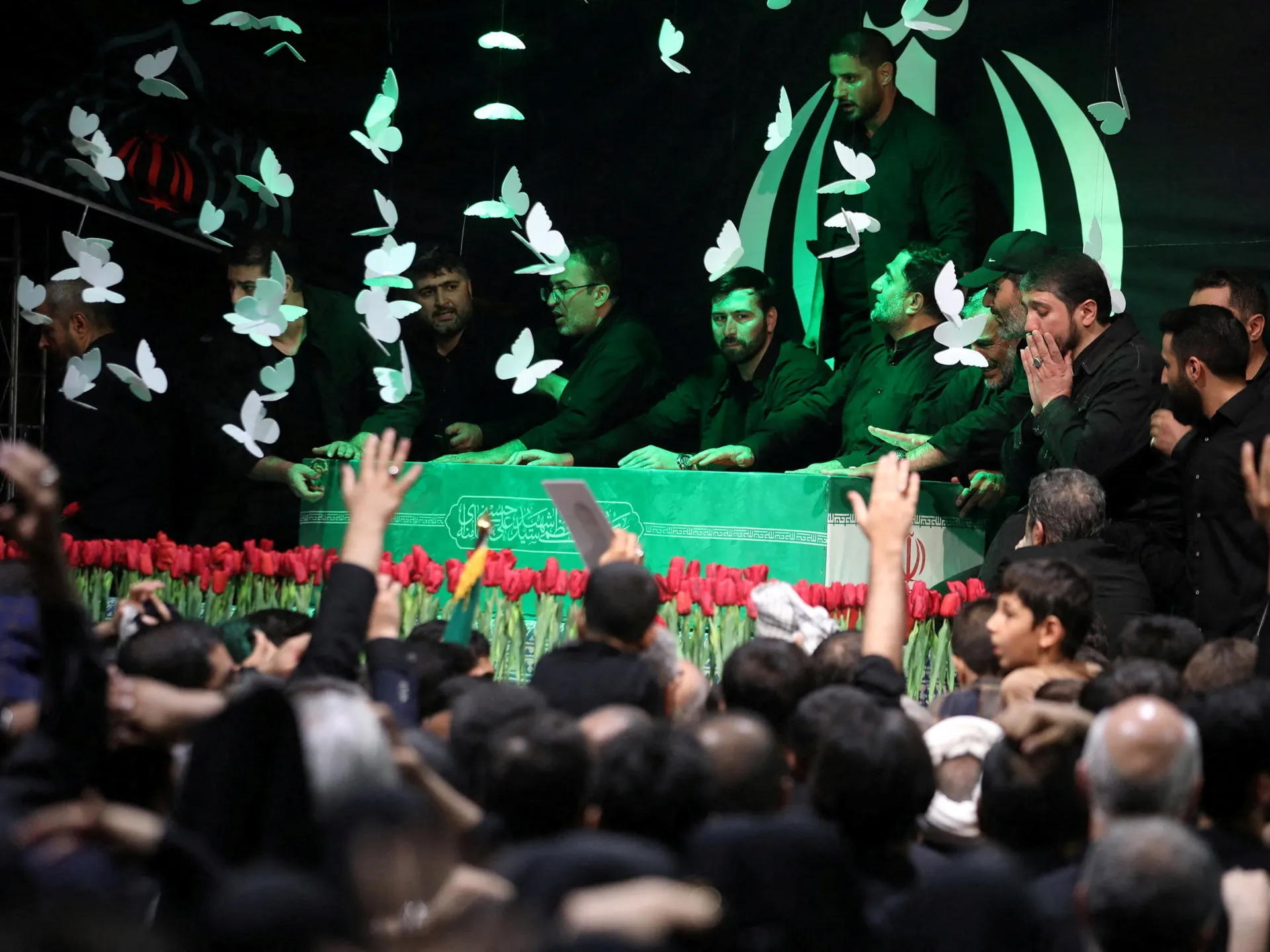
National Mourning Period Commences for Former Supreme Leader
The Islamic Republic of Iran has begun a comprehensive series of funeral ceremonies for its former Supreme Leader, Ali Khamenei. The extensive observance is scheduled to span seven days, encompassing various cities and culminating in his final resting place. This period of national mourning reflects the significant role Khamenei played in the country's political and religious landscape.
The initial stages of the funeral processions are set to formally commence in the capital city of Tehran. This marks the beginning of a week-long journey that will see the former leader's coffin transported across different regions of Iran, allowing a broad segment of the population to participate in the mourning rituals and pay their respects. The itinerary is carefully planned to accommodate large gatherings and public displays of grief, which are traditional elements of such high-profile funerals in the nation.
Journey to Mashhad: A Seven-Day Observance
Following the ceremonies in Tehran, the procession is slated to travel through several provinces. While specific stops have not been fully detailed, the route is anticipated to include major cities and religious centers, underscoring the widespread impact of the former Supreme Leader's tenure. This peripatetic approach to the funeral allows for a more inclusive national mourning experience, providing opportunities for citizens in various locales to witness and partake in the events.
The culmination of these extensive funeral rites will be the burial of Ali Khamenei in his hometown of Mashhad. This city holds particular significance as it is also home to the Imam Reza shrine, one of the holiest sites in Shia Islam. The choice of Mashhad as the final resting place is consistent with the reverence accorded to religious and political figures of his stature within Iran. The burial is officially scheduled to take place on July 9, marking the conclusion of the seven-day period of mourning and public ceremonies.
Historical Context of Supreme Leadership in Iran
The role of the Supreme Leader in Iran is a pivotal one, serving as the ultimate authority in both religious and political matters. This position holds immense power, overseeing the judiciary, military, and state media, and having the final say on major domestic and foreign policy decisions. The transition of this leadership is a moment of profound national importance, often accompanied by elaborate state funerals and periods of national reflection.
Ali Khamenei assumed the position of Supreme Leader after the death of Ayatollah Ruhollah Khomeini, the founder of the Islamic Republic, in 1989. His nearly four-decade tenure saw significant geopolitical shifts and internal developments within Iran. During his time in office, he guided the nation through various challenges, including international sanctions, regional conflicts, and internal political debates. His passing marks the end of an era for many Iranians and initiates a new period of leadership transition.
Public Participation and National Sentiment
Large-scale public participation is a hallmark of significant national events in Iran, particularly those involving revered religious or political figures. The funeral processions are expected to draw millions of mourners, reflecting both official encouragement and genuine public sentiment. The staging of the funeral across multiple cities is designed to facilitate this mass participation, allowing people from diverse backgrounds and regions to express their condolences and respect.
The media coverage, both domestic and international, will undoubtedly focus on the scale of the mourning and the political implications of the leadership transition. Such events often serve as moments for national unity and collective remembrance, even as they prompt discussions about the future direction of the country. The coming week will thus be a period of significant observation and analysis, both within Iran and globally, as the nation navigates this important change.
Source: Original Article
Related Articles
 world
world
Internal Divisions Emerge as Catholic Faction Ordains Bishops Against Vatican Directives
 world
world
Reports Emerge of US Pilot Fatality Amidst Papua Conflict
 world
world
Iran Prepares for Extensive Funeral Rites for Late Supreme Leader Ali Khamenei
 world
world