
Context of the Disagreement
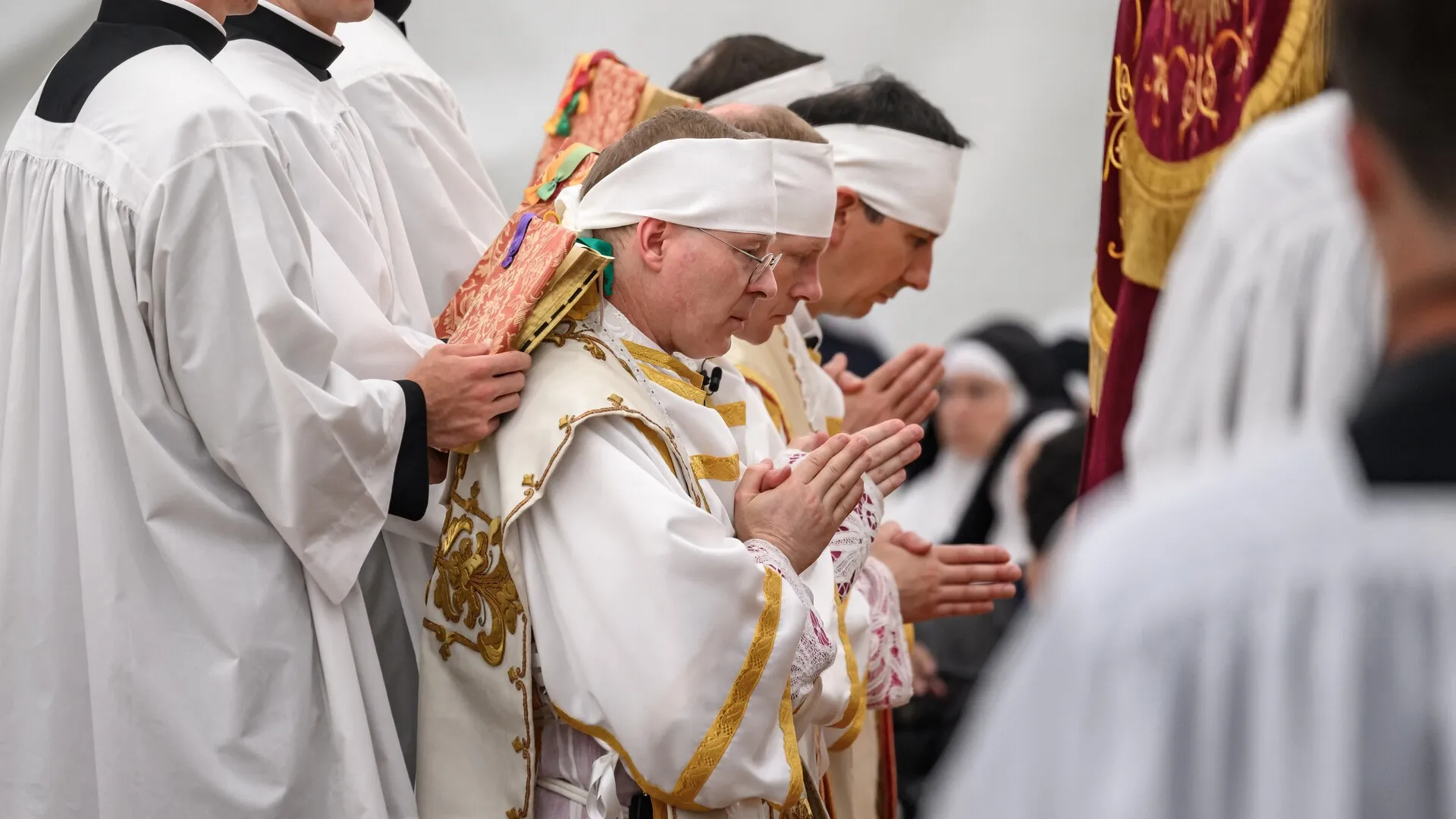
Recent developments within the Roman Catholic Church have brought to light significant internal tensions, as a faction known as the Society of Saint Pius has reportedly ordained bishops without the explicit consent or approval of Pope Leo XIV and the Vatican. This action represents a direct challenge to established ecclesiastical protocols and the hierarchical structure of the Church, raising questions about unity and authority.
The ordination of bishops is a deeply significant act within Catholicism, traditionally requiring papal mandate. Such ordinations, when conducted without the Pope's permission, are considered illicit and can carry severe canonical penalties, including excommunication for those involved. The current situation, therefore, is not merely a procedural dispute but touches upon fundamental aspects of Church governance and doctrine.
Historical Precedents and the Society of Saint Pius
The Society of Saint Pius, often referred to as the SSPX, has a history marked by its conservative theological stance and its resistance to certain reforms enacted following the Second Vatican Council (1962-1965). Founded by Archbishop Marcel Lefebvre, the society has consistently expressed concerns regarding changes in liturgy, ecumenism, and religious freedom, viewing them as departures from traditional Catholic teachings.
This is not the first instance of the SSPX engaging in actions perceived as defiant by the Vatican. A notable event occurred in 1988 when Archbishop Lefebvre ordained four bishops without papal permission, leading to the excommunication of the involved bishops and Archbishop Lefebvre himself. While efforts have been made over the decades to reconcile the SSPX with the Holy See, these new ordinations suggest that fundamental disagreements persist and continue to manifest in concrete actions.
Implications for Church Unity
The latest ordinations have reignited fears of a deeper rupture within the Roman Catholic Church. The term 'schism' is often used to describe a formal separation from the unity of the Church, typically over matters of doctrine or ecclesiastical governance. While the Vatican has not yet officially declared a schism in response to these most recent events, the unauthorized ordinations are widely seen as moving in that direction.
For many within the Catholic community, the prospect of a schism is deeply troubling, as it undermines the principle of unity central to Catholic theology. The Church places great emphasis on the Petrine ministry, the role of the Pope as the successor of Saint Peter, and the visible head of the Church. Actions that bypass this authority are thus viewed as serious challenges to the very fabric of Catholic identity.
The Vatican's Stance and Potential Responses
Pope Leo XIV and the Vatican are now faced with a complex challenge. Their response will likely involve a combination of canonical measures and pastoral outreach. Historically, the Vatican has sought to encourage dialogue and reconciliation with dissident groups, while also upholding the integrity of canon law and papal authority.
Potential responses could range from formal warnings and declarations of illicit actions to more severe penalties, such as excommunication for the newly ordained bishops and those who ordained them. However, the Vatican's approach often balances strict adherence to law with a desire for spiritual reunification. The goal would be to reassert papal authority and the unity of the Church, while perhaps leaving avenues open for future reconciliation, should the Society of Saint Pius be willing to come into full communion.
Analysis of the Current Situation
Observers of Church affairs are closely monitoring the situation, seeking to understand the motivations behind the SSPX's actions and the potential long-term consequences. Some analysts suggest that the Society's decision may stem from a belief that the current papacy is deviating too far from traditional Catholic doctrine, compelling them to act independently to preserve what they perceive as authentic Catholicism.
Conversely, supporters of the Vatican emphasize the importance of obedience to the Pope as a cornerstone of Catholic faith and governance. They argue that while theological debates are a natural part of Church life, actions that directly contravene papal authority threaten the very order and unity of the global Catholic community. The incident highlights the ongoing tension between traditionalist elements and those who embrace the reforms of the Second Vatican Council, a tension that has shaped Catholic discourse for decades.
The situation remains fluid, and the coming weeks and months will likely reveal the full extent of the Vatican's response and the Society of Saint Pius's further intentions. This internal conflict underscores the enduring challenges of maintaining unity within a diverse global religious institution with a long and complex history.
Source: Original Article
Related Articles
 world
world
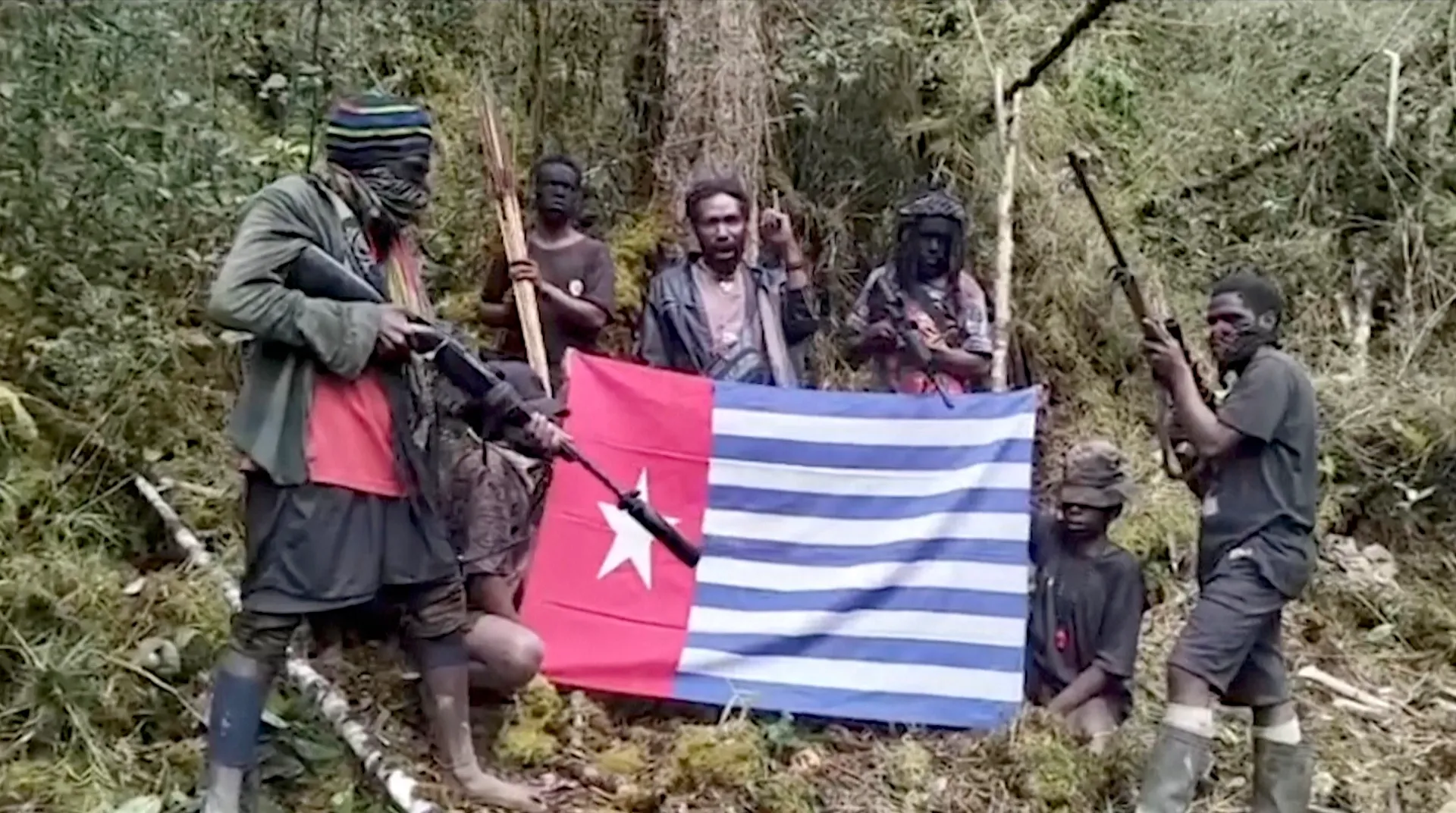
Reports Emerge of US Pilot Fatality Amidst Papua Conflict
 world
world
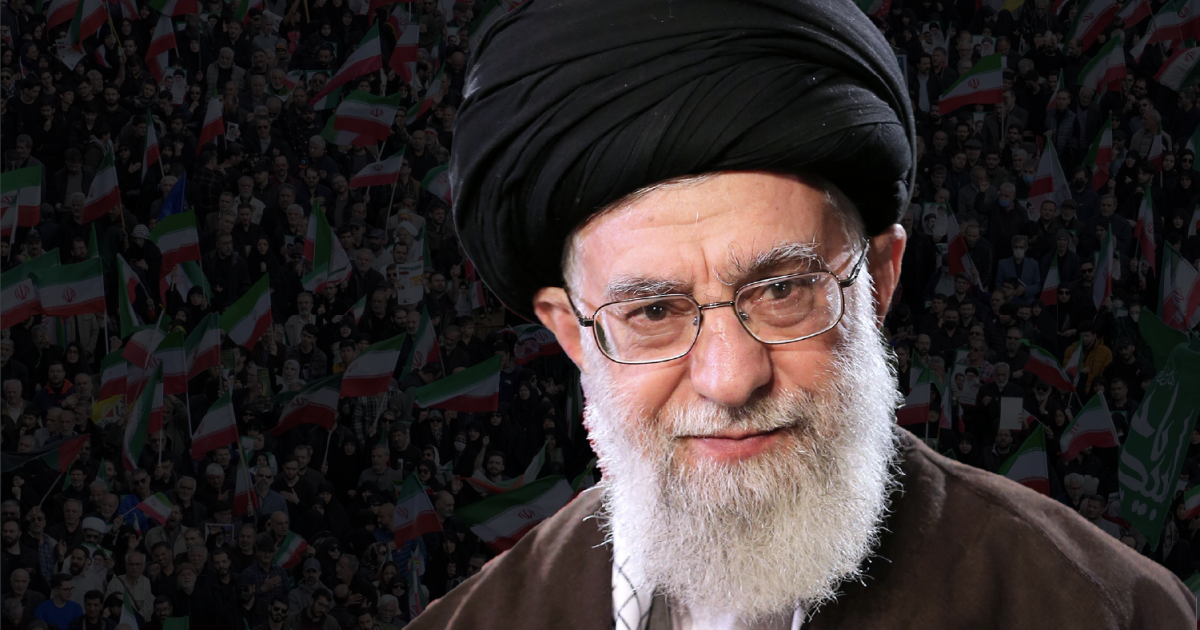
Iran Prepares for Extensive Funeral Rites for Late Supreme Leader Ali Khamenei
 world
world
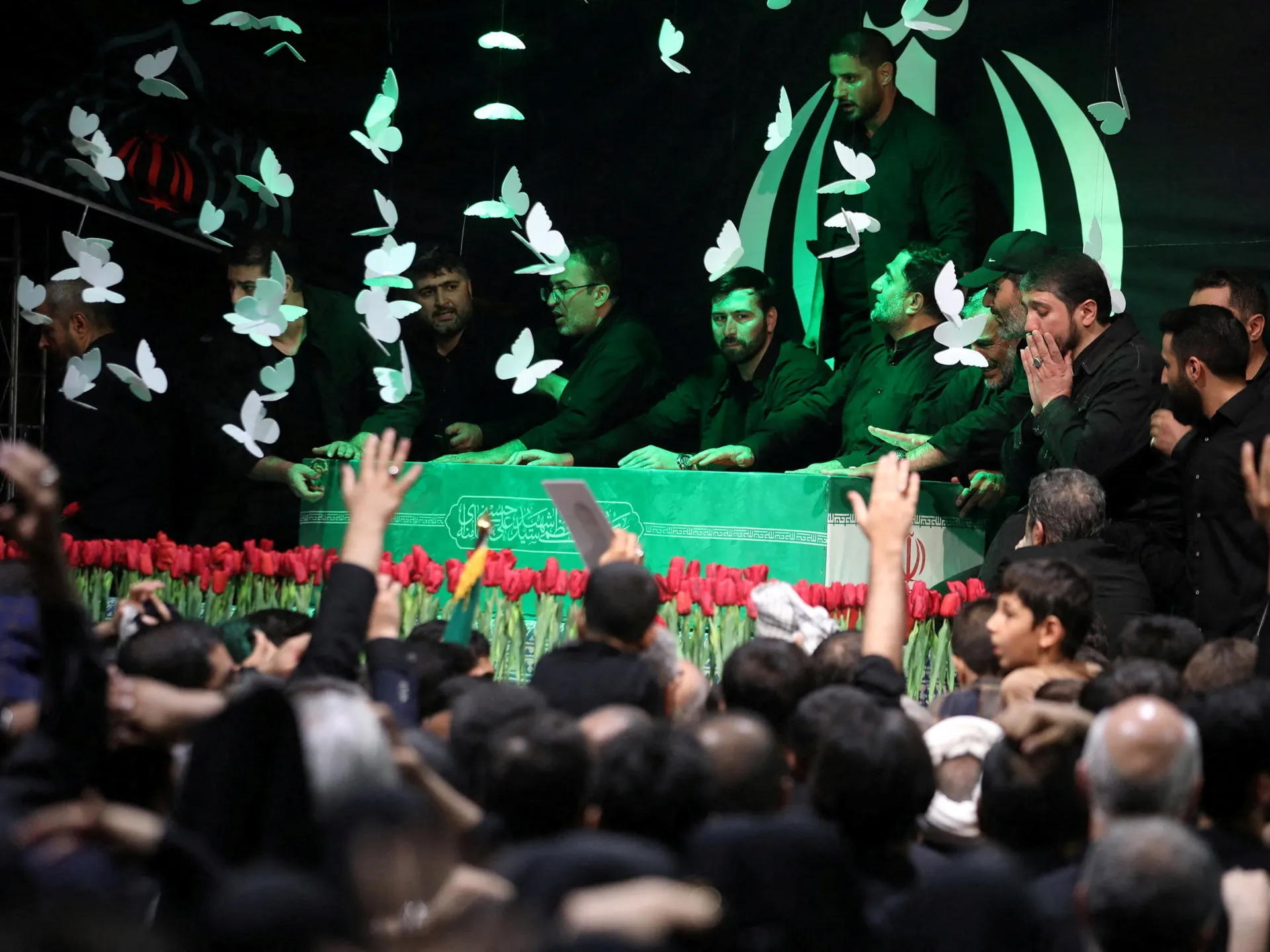
Preparations Underway for Extended Funeral Rites of Iran's Former Supreme Leader
 world
world