
Escalation of Tensions in Papua Region
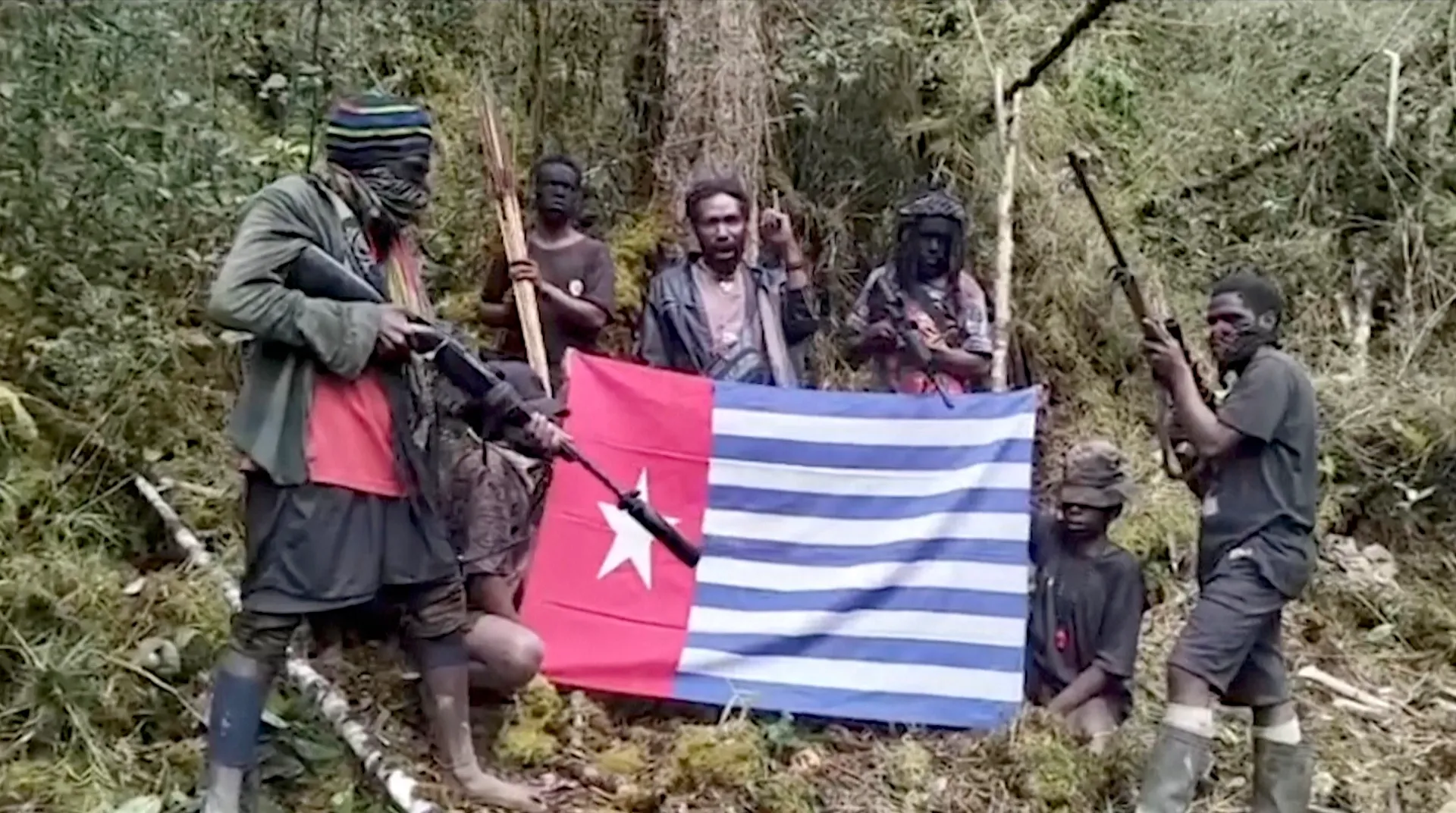
Recent reports from Indonesia's Papua region indicate a significant escalation in the long-standing conflict, with separatist rebels claiming responsibility for the death of a United States pilot. The incident, which allegedly involved the downing and subsequent burning of an aircraft, brings renewed international attention to the decades-long struggle for independence in the area.
The claims, made by the rebel faction, describe a deliberate attack targeting the pilot and their aircraft. While details surrounding the event remain scarce and require independent verification, the assertion by the separatist group marks a potentially critical development in the ongoing conflict. Such an incident, if confirmed, could have considerable implications for the regional security landscape and international engagement with the Papua issue.
Background to the Conflict
The Papua region, located on the western half of the island of New Guinea, has been a site of intermittent conflict and political unrest for many decades. The struggle for independence is rooted in historical grievances and a desire for self-determination among a segment of the local population. Indonesian authorities, however, maintain that Papua is an integral part of the nation's territory, leading to a persistent standoff.
The conflict has been characterized by cycles of violence, military operations, and humanitarian concerns. Separatist groups have engaged in various forms of resistance, while the Indonesian government has deployed security forces to maintain control and address insurgent activities. The human cost of this protracted conflict has been substantial, with reports of human rights abuses and significant displacement of local populations.
Humanitarian Impact and Displacement
One of the most profound consequences of the ongoing conflict in Papua has been the widespread displacement of civilians. Since 2022 alone, an estimated 122,000 people have been forced to leave their homes, seeking refuge from the violence and instability. These internally displaced persons (IDPs) often face precarious living conditions, lacking access to essential services such as food, shelter, healthcare, and education.
The continuous movement of populations disrupts social structures, livelihoods, and cultural practices, exacerbating existing vulnerabilities. Humanitarian organizations have repeatedly called for greater access to affected areas and increased protection for civilians caught in the crossfire. The challenges of providing assistance are compounded by geographical remoteness and security concerns, making it difficult to deliver aid effectively to those most in need.
International Response and Future Outlook
The international community has long monitored the situation in Papua, with various bodies and nations expressing concerns about human rights and the need for a peaceful resolution. However, direct intervention has been limited, largely due to Indonesia's sovereignty claims and the complexities of the political landscape.
The reported death of a US pilot could potentially alter the dynamics of international engagement. Such an event might prompt a stronger diplomatic response or increased scrutiny of the conflict from global actors. The incident could also galvanize further calls for dialogue and negotiation between the Indonesian government and Papuan representatives, with the aim of finding a sustainable and peaceful pathway forward.
The future outlook for Papua remains uncertain. While calls for independence persist, the Indonesian government remains firm in its stance. Any resolution would likely require comprehensive engagement, addressing both political aspirations and the humanitarian crisis, while also ensuring accountability for any alleged atrocities. The recent claims underscore the urgent need for a peaceful resolution to prevent further loss of life and alleviate the suffering of the Papuan people.
Source: Original Article
Related Articles
 world
world
Internal Divisions Emerge as Catholic Faction Ordains Bishops Against Vatican Directives
 world
world
Iran Prepares for Extensive Funeral Rites for Late Supreme Leader Ali Khamenei
 world
world
Preparations Underway for Extended Funeral Rites of Iran's Former Supreme Leader
 world
world