
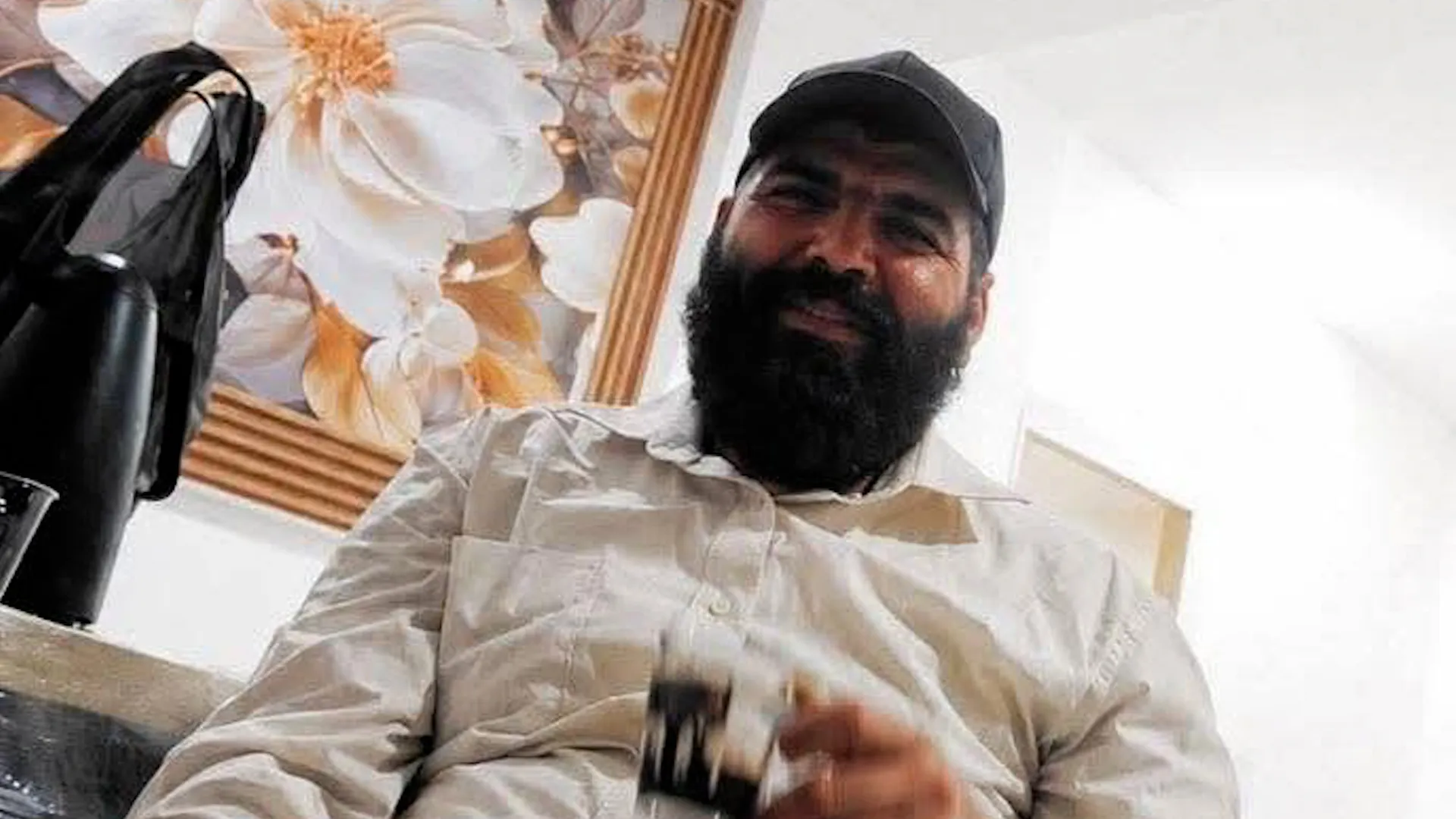
Overview of the Incident
A 32-year-old Palestinian man, identified as Muhammad Jaber, was killed on Thursday during an operation conducted by Israeli forces at his home situated near the town of Salfit in the occupied West Bank. The precise circumstances leading to his death remain a subject of ongoing discussion and investigation, with differing accounts emerging from various sources.
Reports from local Palestinian media and eyewitnesses suggest that Israeli military personnel entered Jaber's residence in the early hours of the morning. The raid reportedly escalated into a confrontation, during which Jaber sustained fatal injuries. Palestinian health officials confirmed his death shortly after the incident, attributing it to gunshot wounds.
Conversely, Israeli military sources have indicated that the operation was part of a broader effort to apprehend individuals suspected of involvement in militant activities. They have stated that their forces encountered resistance during the raid and responded according to established protocols. Further details regarding the specific nature of the resistance or the sequence of events that led to Jaber's death have not been fully disclosed by Israeli authorities.
Regional Context and Reactions
The incident near Salfit is not isolated but rather occurs within a broader context of heightened tensions and frequent military operations in the occupied West Bank. Such raids are a regular occurrence, often targeting individuals suspected by Israel of planning or carrying out attacks against Israeli citizens or security forces. However, these operations frequently result in clashes with local residents, sometimes leading to casualties.
Palestinian officials and human rights organizations have consistently condemned these military incursions, characterizing them as violations of international law and an infringement on the rights of Palestinians. They argue that such actions contribute to a cycle of violence and instability, further exacerbating the already fragile situation in the territories. Calls for independent investigations into incidents involving fatalities are routinely made, though the implementation of such investigations often faces significant political and logistical challenges.
The death of Muhammad Jaber has elicited strong reactions from Palestinian communities and political factions. Demonstrations and protests have been reported in various parts of the West Bank, with participants mourning Jaber's death and denouncing Israeli military actions. These protests often serve as a focal point for expressing collective grievances and frustrations over the prolonged occupation and the perceived injustices faced by Palestinians.
International Response and Future Implications
The international community's response to such incidents is often characterized by calls for de-escalation and adherence to international humanitarian law. United Nations officials and various human rights bodies have frequently expressed concerns over the rising number of Palestinian casualties in the West Bank and Gaza Strip. They advocate for measures to protect civilians and ensure accountability for actions that result in loss of life.
However, the responses from international powers are not always uniform. While some nations issue strong condemnations, others tend to adopt a more cautious approach, emphasizing the complexities of the conflict and the security concerns faced by both Israelis and Palestinians. This divergence in international opinion often complicates efforts to achieve a unified diplomatic solution or to exert significant pressure on either side.
The ongoing cycle of violence and retaliatory actions in the West Bank poses significant challenges to prospects for peace and stability in the region. Each incident, such as the death of Muhammad Jaber, contributes to a deepening sense of distrust and animosity between Israelis and Palestinians. Analysts suggest that without a fundamental shift in political dynamics and a renewed commitment to a peaceful resolution, similar incidents are likely to continue, further entrenching the conflict.
The incident underscores the urgent need for a comprehensive and impartial review of military engagements in the occupied territories to ensure adherence to international standards and to prevent further loss of life. Dialogue and confidence-building measures are often cited as essential steps toward breaking the cycle of violence and fostering an environment conducive to a lasting peace.
Source: Original Article
Related Articles
 world
world
ICC Judges Challenge Trump Sanctions, Citing Unlawful Coercion
 world
world
Regional Tensions Escalate: Iran Rejects New Hormuz Route, US Secretary of State Engages GCC Leaders Amidst Broader Conflicts
 world
world
Dual Earthquakes Trigger Widespread Alarm in Venezuela
 world
world