
Dual Earthquakes Unleash Destruction Across Northern Venezuela
Communities in northern Venezuela are currently facing immense hardship in the wake of two powerful earthquakes that struck the region on June 24, 2026. The seismic events have tragically claimed dozens of lives, left hundreds injured, and caused significant destruction to homes and critical infrastructure. Rescue operations are intensely underway, with emergency personnel racing against time to locate potential survivors amidst the rubble.
Immediate Impact and Public Response
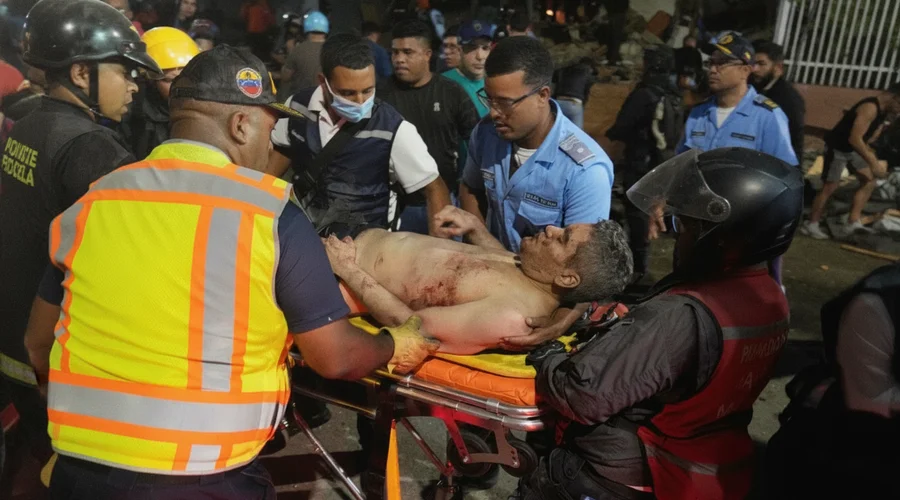
The initial tremors prompted widespread panic, driving residents into the streets as buildings began to collapse. Many individuals remain hesitant to re-enter structures that, while still standing, are now viewed with apprehension. The immediate aftermath saw rescue workers in Caracas swiftly transporting injured individuals to medical facilities, highlighting the urgent need for medical attention across the affected areas. In La Guaira, Venezuela's primary port city, injured residents received care in various makeshift settings, including vehicles, underscoring the overwhelmed healthcare infrastructure.
“Venezuelans raced out onto the streets during the earthquakes as buildings collapsed. Many were too afraid to return to structures that were still standing as rescue efforts began.”
The United States Geological Survey (USGS) identified the epicenters of both quakes in Yaracuy state, situated west of the capital, Caracas. The capital itself experienced severe impacts, with rescue teams meticulously sifting through the debris of collapsed apartment complexes in a desperate search for any trapped individuals.
Seismological Details and Aftershocks
The first earthquake, registering a magnitude of 7.2, occurred at a depth of approximately 22 kilometers (14 miles). This was followed less than a minute later by a second, even stronger quake with a magnitude of 7.5, striking at a shallower depth of about 10 kilometers (6 miles). The proximity in time and location of these two significant events amplified their destructive potential.
Following the twin temblors, nearly two dozen aftershocks were recorded, further destabilizing structures and exacerbating fears among the populace. Seismological experts have issued warnings that additional strong aftershocks could continue in the days following the initial events, prolonging the period of instability and risk for the affected regions. This ongoing seismic activity complicates rescue efforts and makes it challenging for residents to return to any semblance of normalcy.
Humanitarian Crisis and Government Response
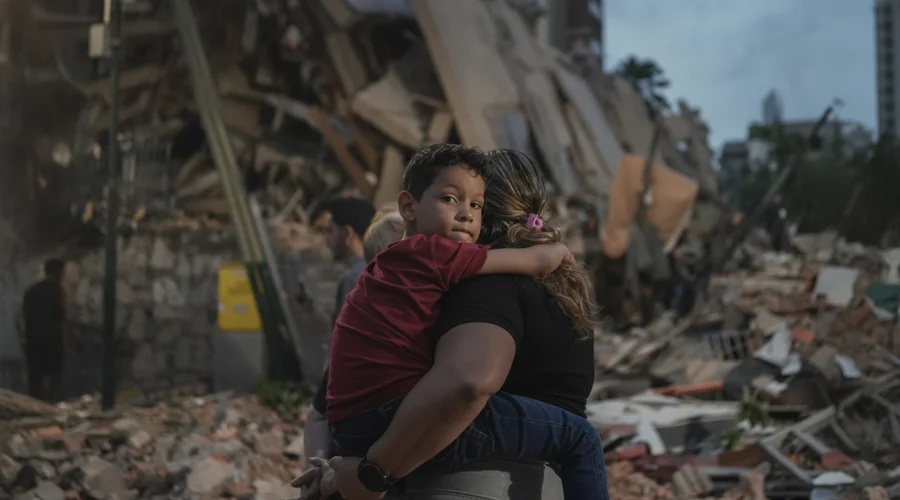
The scale of the disaster has led to a significant humanitarian crisis. Field hospitals have been established in areas like La Guaira to cope with the influx of injured individuals requiring medical attention. Scenes of comfort and reassurance, such as a woman consoling a child in a Caracas street, illustrate the emotional toll the earthquakes have taken on the population.
In response to the escalating crisis, Acting President Delcy Rodriguez promptly declared a state of emergency. Experts have cautioned that the death toll, currently in the dozens, could potentially rise into the thousands as more comprehensive assessments are made and rescue operations continue. President Rodriguez specifically highlighted La Guaira, located north of Caracas on Venezuela’s Caribbean coast, as the most severely impacted area. She characterized La Guaira as a “disaster zone,” emphasizing that rescue workers are tirelessly engaged in efforts to “save lives” amid the widespread destruction.
The declaration of a state of emergency mobilizes national resources and international aid to assist the affected communities. The immediate priorities include providing medical care to the injured, offering shelter to those displaced by damaged homes, and continuing the critical search and rescue operations. The long-term recovery effort for northern Venezuela is expected to be extensive, requiring substantial resources and coordinated efforts to rebuild infrastructure and support the affected population.
Source: Original Article
Related Articles
 news
news
Strong Earthquake Rocks Northern Japan, No Tsunami Threat Issued
 news
news
Venezuelan Earthquake Aftermath: Examining the Impact of Sanctions on Humanitarian Aid
 news
news
Haitian Diaspora in US Finds Pride and Apprehension in World Cup Journey
 news
news