
North Korea's Naval Expansion
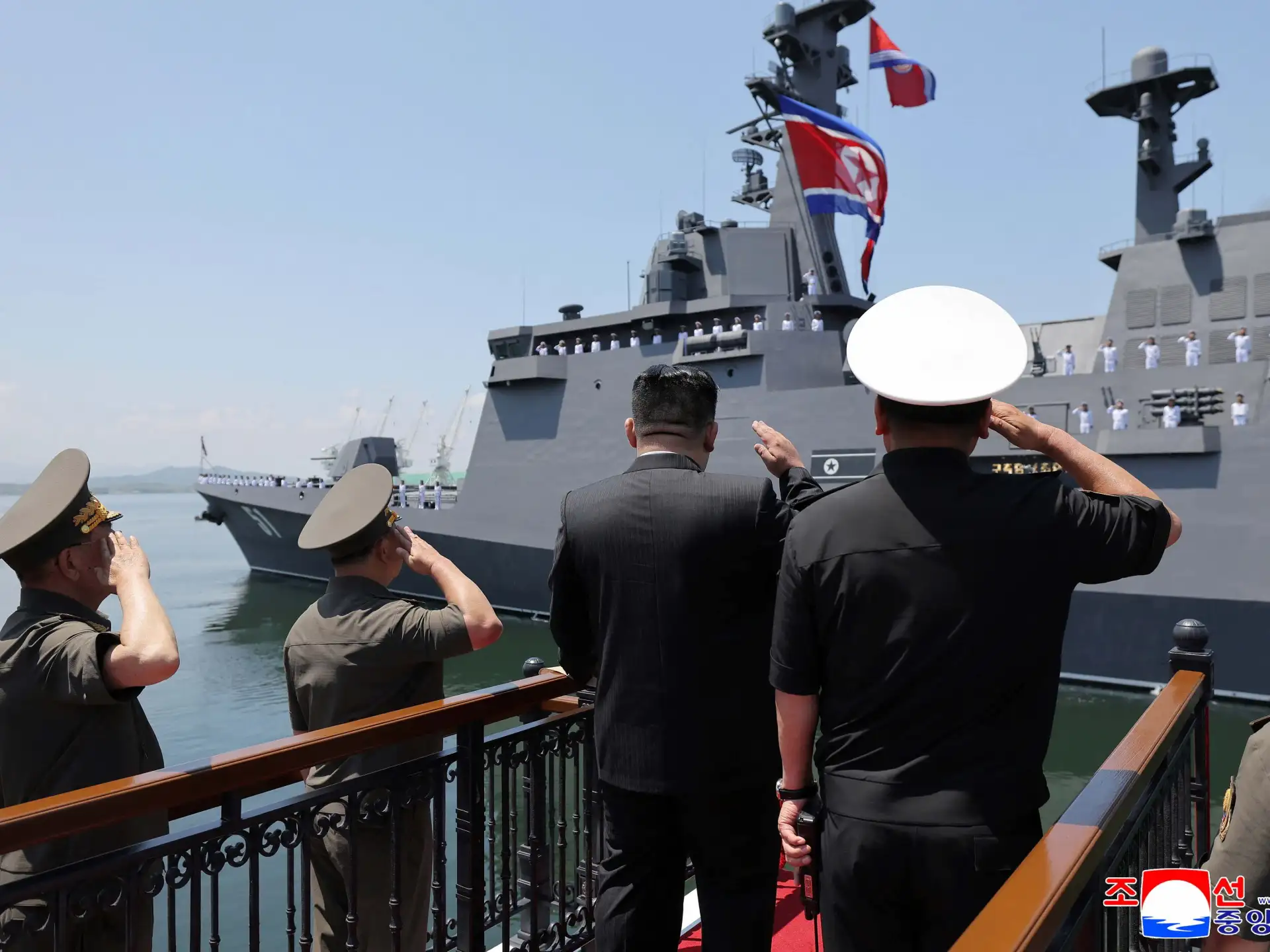
In a notable development for its military capabilities, North Korea has publicly introduced its largest warship to date. The vessel, a destroyer with an estimated displacement of 5,000 metric tons, was reportedly commissioned recently, signaling an advancement in the country's naval power. This new addition is perceived as a key component of Pyongyang's broader strategy to bolster its maritime defense and offensive capacities.
State media reports from North Korea highlighted the ship's capabilities, with leader Kim Jong Un emphasizing its potential role in carrying nuclear-capable missiles. This assertion, if accurate, would represent a significant enhancement to North Korea's strategic deterrent, allowing for a more diversified platform for potential missile deployment beyond its existing land-based and submarine-launched systems. The introduction of such a large vessel also indicates a growing sophistication in the nation's shipbuilding industry and naval engineering.
Strategic Implications and Modernization Goals
The commissioning of this destroyer aligns with North Korea's stated five-year plan for military development, which includes a substantial expansion of its navy. This long-term strategy, initially outlined by leader Kim Jong Un, aims to modernize all branches of the armed forces, with a particular focus on projecting power through its maritime assets. Naval expansion is often viewed as crucial for coastal defense, securing maritime trade routes, and potentially for projecting influence in regional waters.
Analysts suggest that a 5,000-ton destroyer would typically possess a range of defensive and offensive systems, including anti-ship missiles, anti-aircraft capabilities, and potentially anti-submarine warfare equipment. The claim of nuclear-capable missile deployment suggests that the vessel might be equipped with vertical launch systems (VLS) designed to accommodate ballistic or cruise missiles, similar to those seen on other modern destroyers globally. Such a feature would significantly increase the survivability and versatility of North Korea's nuclear arsenal by making it more mobile and harder to track than fixed land-based sites.
The emphasis on a destroyer, rather than solely submarines, indicates a desire to develop a more conventional surface fleet alongside its underwater capabilities. Destroyers often serve as multi-role platforms, capable of engaging in various combat scenarios, from escorting other vessels to independent operations. This move could suggest a shift towards a more balanced naval doctrine, aiming for both overt presence and covert operations.
Regional Context and International Response
The unveiling of North Korea's largest warship is likely to be met with concern by neighboring countries, including South Korea and Japan, as well as by the United States. These nations have consistently monitored North Korea's military advancements, particularly those related to its nuclear and missile programs. The introduction of a new, potentially nuclear-capable warship could prompt further reviews of regional security postures and defense strategies.
International observers will be scrutinizing the technical specifications and actual capabilities of the new destroyer. While North Korean state media often presents its military achievements with a degree of hyperbole, the physical presence of a 5,000-ton vessel represents a concrete development in its naval capacity. The vessel's size alone suggests an ability to operate further from shore and sustain longer missions than previous North Korean surface combatants.
The timing of this announcement also holds significance, as North Korea frequently uses military demonstrations to project strength and potentially to gain leverage in diplomatic negotiations. The ongoing expansion of its conventional and strategic forces continues to be a central theme in its foreign policy, often intertwined with its calls for the lifting of international sanctions and recognition as a nuclear state.
"The commissioning of this destroyer underscores North Korea's persistent commitment to enhancing its military might, particularly in its naval sector. The claim of nuclear capabilities on such a surface vessel would, if verified, represent a significant strategic shift." - A regional security analyst.
This latest development contributes to an already complex security environment in Northeast Asia, where several nations are engaged in their own military modernization efforts. The continuous introduction of new military hardware by North Korea serves as a reminder of the ongoing security challenges and the persistent pursuit of advanced military technologies by the isolated nation.
Related Articles
 world
world
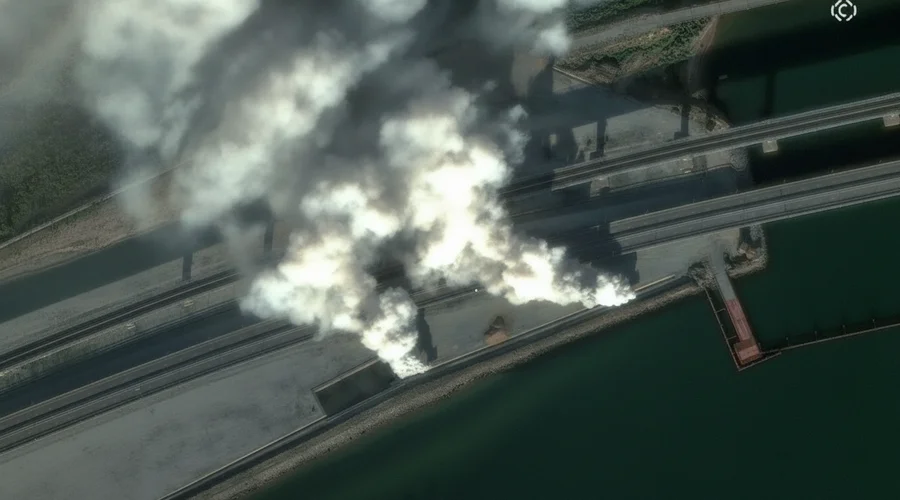
Ukrainian Strikes Disrupt Power in Russian-Controlled Sevastopol Amid Escalating Conflict
 world
world
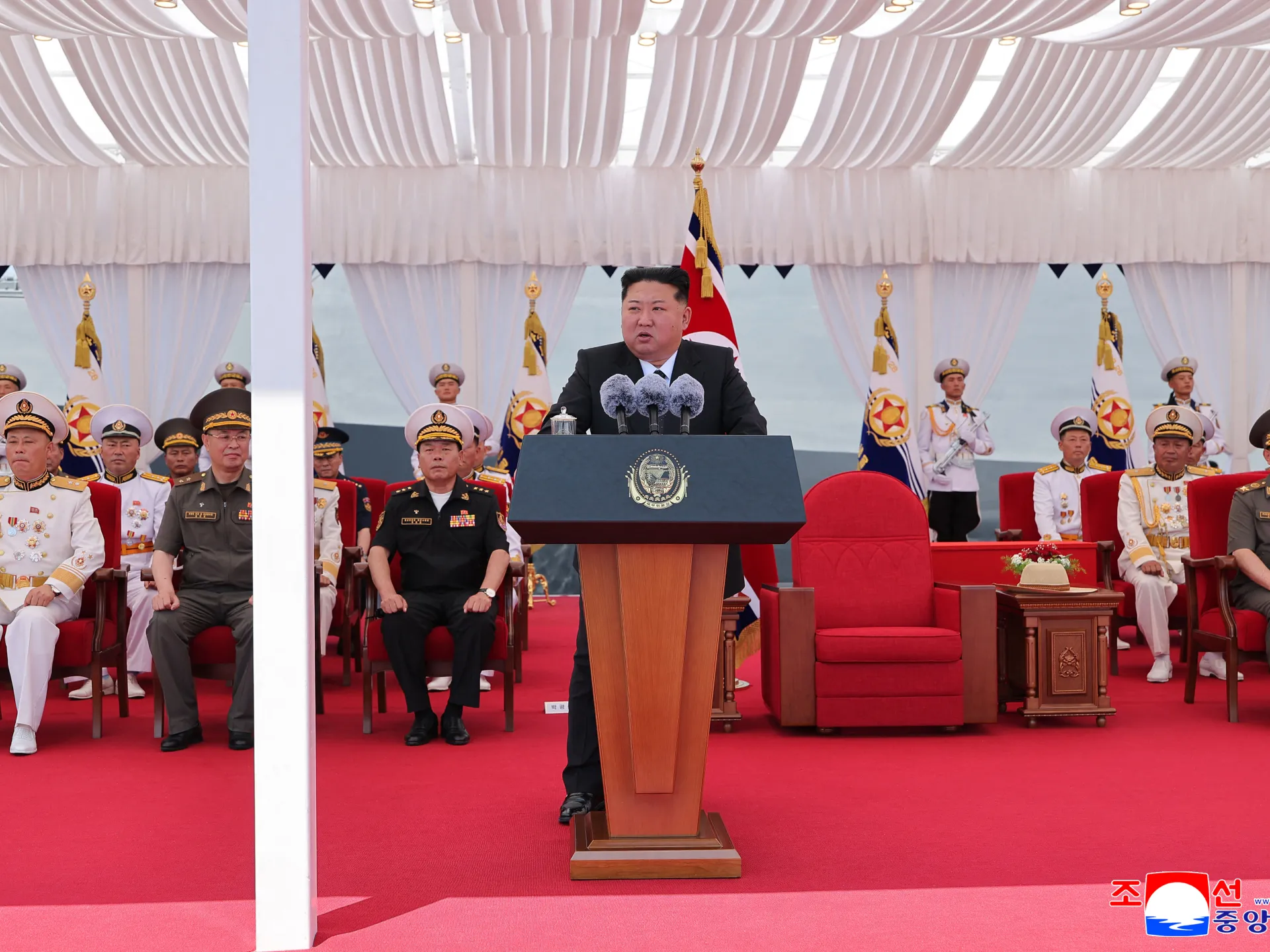
North Korea Unveils New Warship, Signals Intent for Nuclear-Capable Navy
 world
world
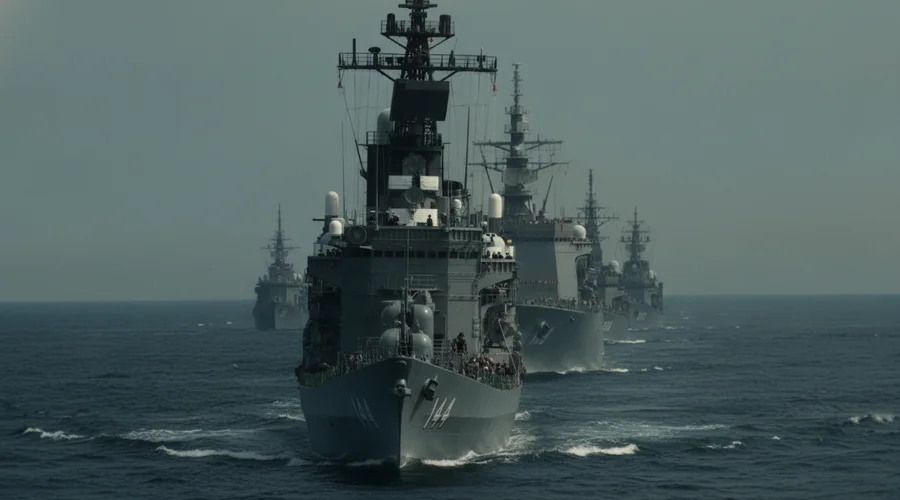
Japan Considers Naval Deployment to Strait of Hormuz Amid Constitutional Debate
 world
world