
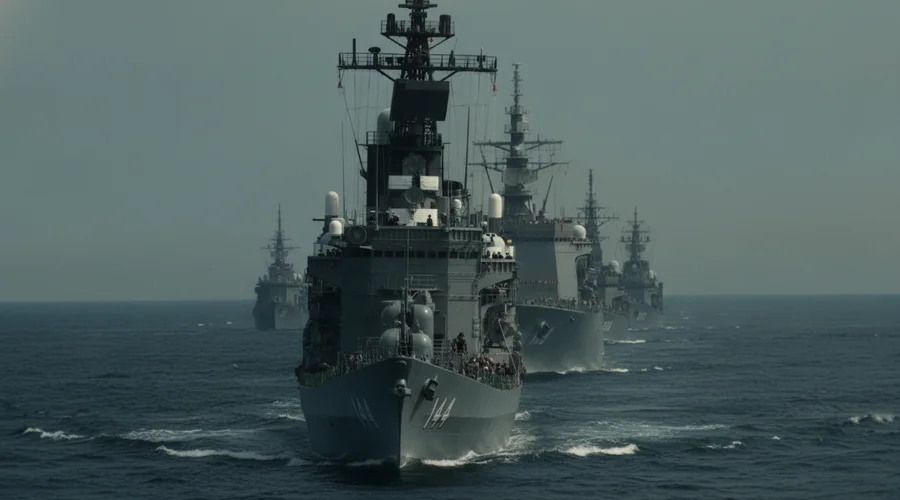
Japan's Deliberation Over Strait of Hormuz Demining
Japan is currently in a phase of deliberation regarding a potential deployment of its maritime self-defense forces to the Strait of Hormuz. The proposed mission involves assisting in demining efforts in the crucial waterway, a development that follows a recent ceasefire agreement between the United States and Iran. This consideration, however, has not been without controversy, sparking a notable debate within Japan concerning the implications for its long-standing pacifist constitution, enacted in the aftermath of World War II.
The Strait of Hormuz, a narrow passage connecting the Persian Gulf with the Arabian Sea and the Gulf of Oman, is globally significant. It serves as a vital chokepoint for international oil shipments, with a substantial portion of the world's seaborne oil passing through it daily. Any disruption to this route, whether due to conflict or the presence of naval mines, can have profound economic repercussions worldwide, affecting energy markets and global trade.
The Pacifist Constitution and Its Interpretations
At the heart of the domestic debate is Article 9 of Japan's constitution. This article famously renounces war as a sovereign right of the nation and the threat or use of force as means of settling international disputes. It also states that "land, sea, and air forces, as well as other war potential, will never be maintained." For decades, this constitutional provision has shaped Japan's defense policy, limiting its military to a strictly self-defensive role and generally prohibiting involvement in collective security operations far from its shores.
Over the years, various Japanese administrations have sought to reinterpret Article 9 to allow for a broader scope of activities for the Self-Defense Forces (SDF), particularly in response to evolving regional security challenges and international pressures. Notable shifts have included allowing for participation in UN peacekeeping operations and, more recently, reinterpreting the constitution to permit collective self-defense under specific circumstances, albeit with strict limitations. The current proposal to send forces to the Strait of Hormuz represents another significant test of these interpretations and the public's acceptance of an expanded role for the SDF.
International Context and Regional Stability
The potential Japanese deployment comes at a sensitive time for regional stability in the Middle East. The recent ceasefire between the US and Iran, while a positive step, does not immediately resolve all underlying tensions or eliminate the risks associated with maritime security in the region. The presence of naval mines, if confirmed, poses a direct threat to commercial shipping, regardless of geopolitical agreements. International cooperation in clearing such hazards is often seen as essential for restoring confidence and ensuring safe passage for global trade.
For Japan, a nation heavily reliant on imported energy, particularly oil from the Middle East, ensuring the security of sea lanes like the Strait of Hormuz is not merely an act of international goodwill but also a matter of critical national interest. Disruptions to oil supplies could severely impact its economy, making the stability of this waterway a top priority for Tokyo. Participating in demining operations could therefore be framed as an extension of its economic security policy, rather than purely a military intervention.
Domestic Opposition and Public Opinion
Despite the strategic rationale, the proposal faces considerable opposition from various segments of Japanese society. Critics argue that deploying naval forces to a potentially volatile region, even for humanitarian or protective purposes like demining, could drag Japan into foreign conflicts and violate the spirit of its pacifist constitution. Concerns are often raised about the safety of SDF personnel and the potential for mission creep, where a limited operation could escalate into broader military involvement.
Public opinion in Japan remains divided on the issue of constitutional reinterpretation and the expansion of the SDF's role. While some support a more robust security posture in line with Japan's economic power and international standing, others remain staunch defenders of the pacifist ideal, fearing a return to militarism. The government will need to carefully navigate these sentiments, providing clear justifications and assurances regarding the scope and limitations of any potential deployment.
The Path Forward
The decision to deploy forces to the Strait of Hormuz will likely involve extensive internal discussions within the Japanese government, consultations with legal experts, and debates in the National Diet. Any such move would require careful consideration of international law, the specific nature of the mission, and the mechanisms for ensuring the safety of Japanese personnel. Ultimately, Japan's approach will reflect a delicate balance between its constitutional principles, its national interests, and its responsibilities as a significant global actor in maintaining international peace and stability.
Source: Japan weighs deploying forces to demine the Strait of Hormuz
Related Articles
 world
world
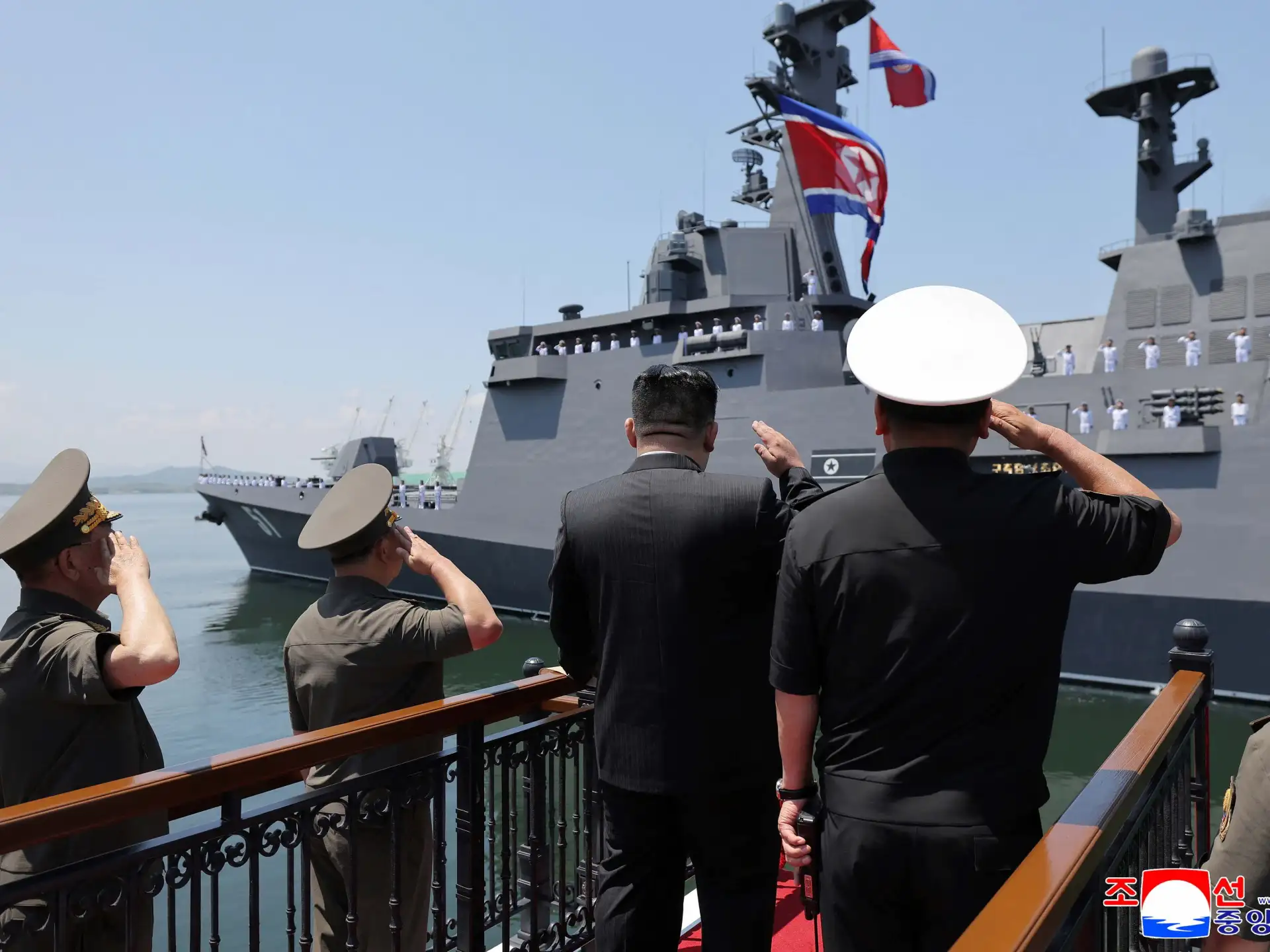
North Korea Unveils New 5,000-Ton Destroyer, Enhancing Naval Capabilities
 world
world
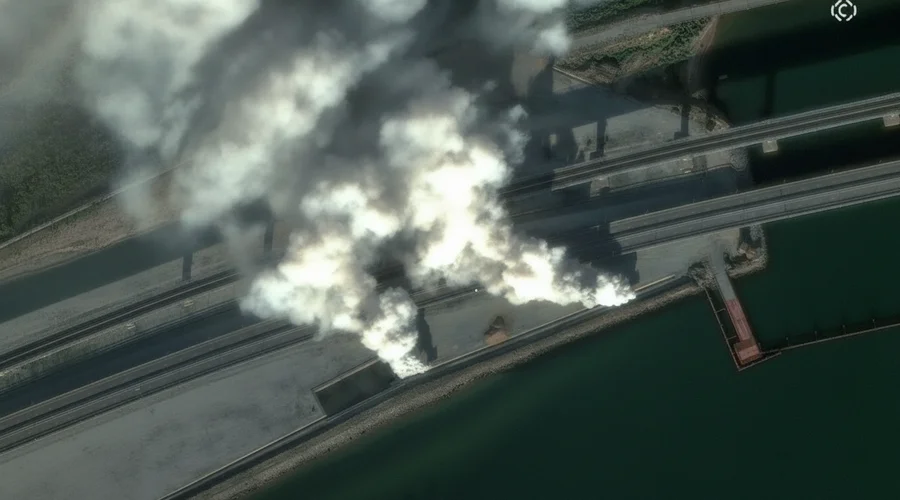
Ukrainian Strikes Disrupt Power in Russian-Controlled Sevastopol Amid Escalating Conflict
 world
world
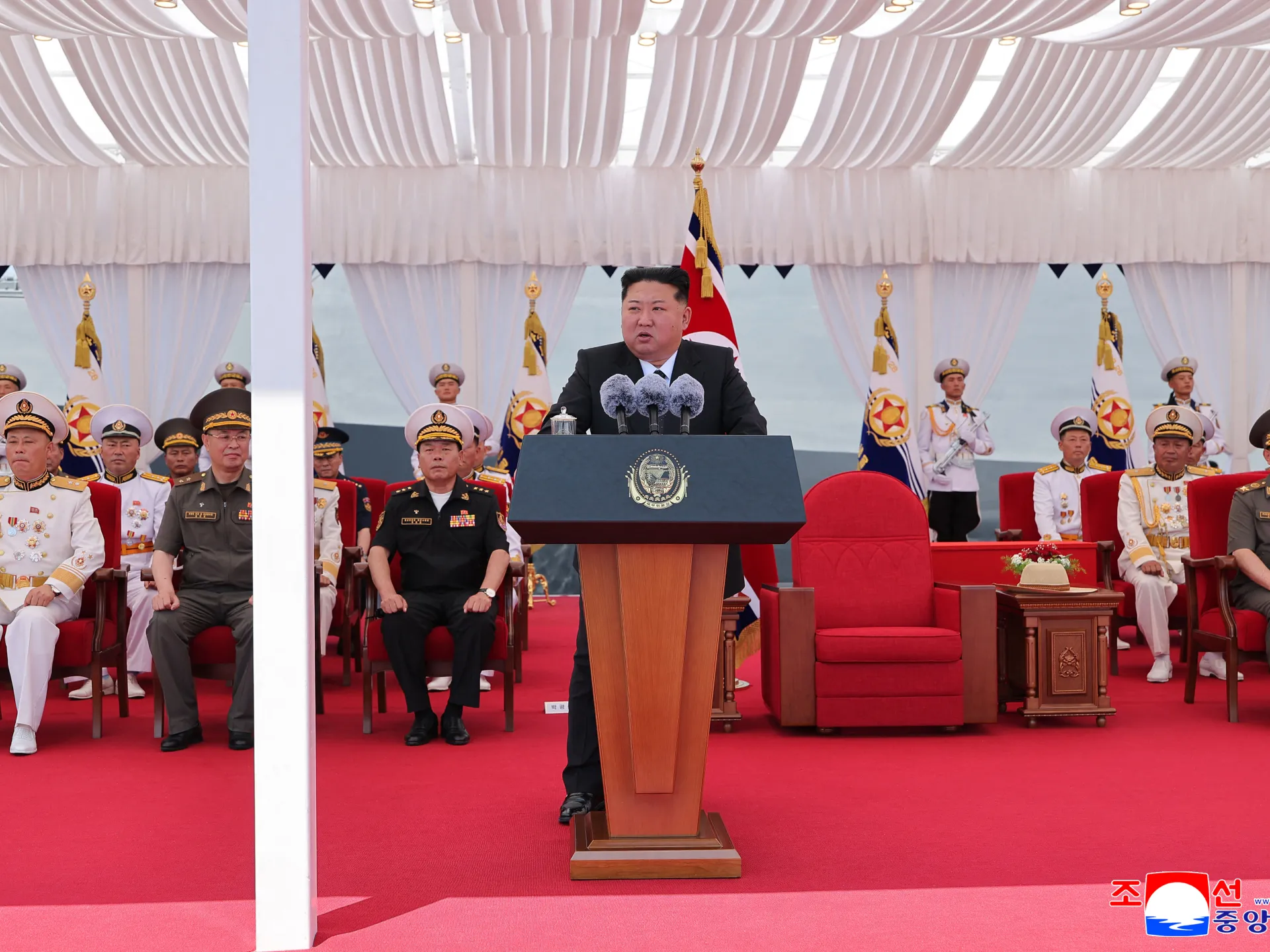
North Korea Unveils New Warship, Signals Intent for Nuclear-Capable Navy
 world
world