Political Climate Shifts for Israeli Leadership
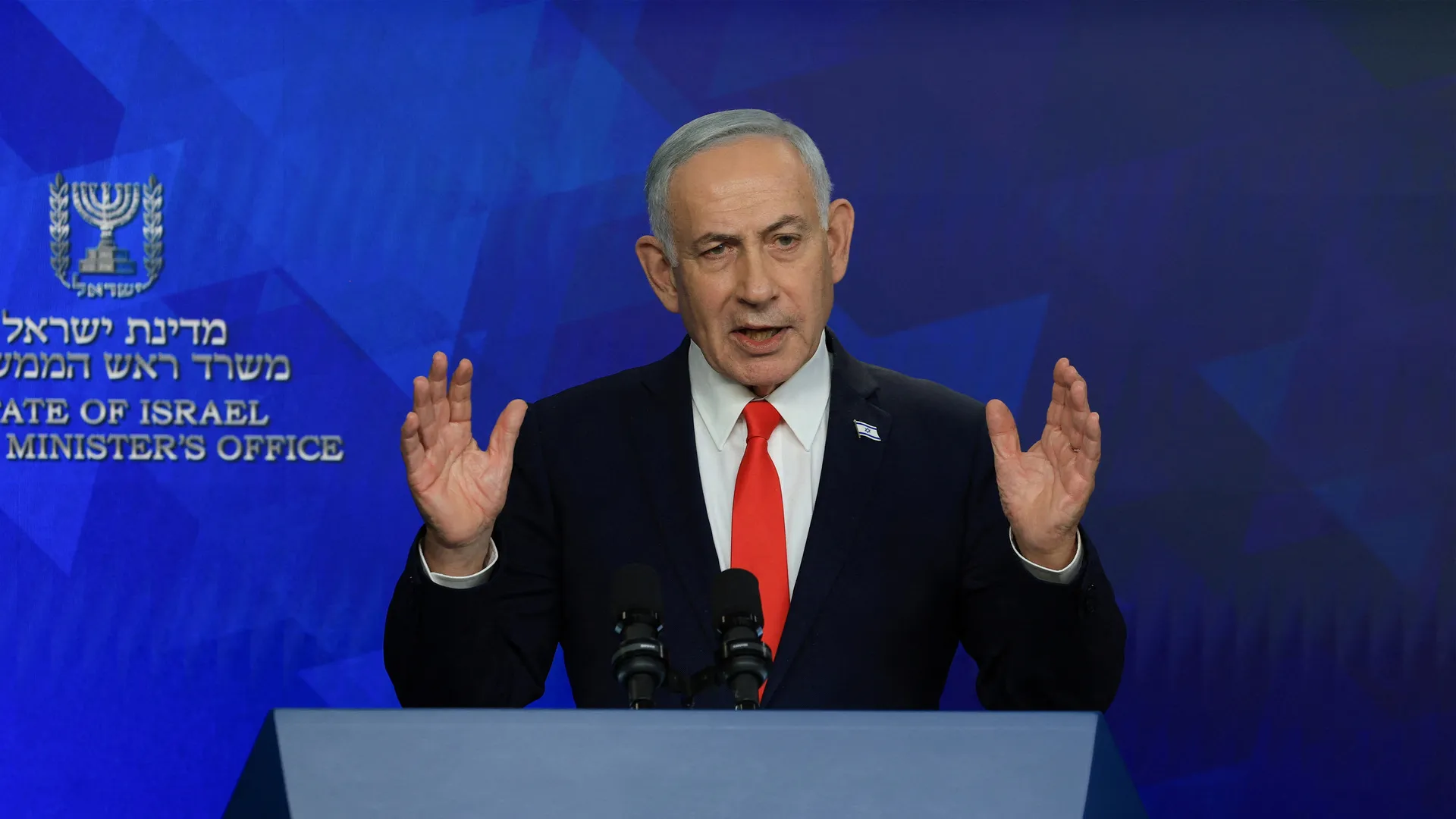
Prime Minister Benjamin Netanyahu of Israel is reportedly confronting heightened political pressure in the wake of a recent understanding reached between the United States and Iran. This agreement, a Memorandum of Understanding (MOU), has drawn particular attention because Israel was not included in its formulation, leading to questions about its potential impact on regional dynamics and Israel's strategic position. The absence of Israeli participation in discussions regarding an agreement involving a key regional adversary like Iran has sparked considerable debate within Israeli political circles.
The implications of this US-Iran accord are broad, touching upon various aspects of Middle Eastern security. Notably, reports suggest that the MOU encompasses elements related to Israel's historical conflicts, specifically its engagements concerning Lebanon. This inclusion, without direct Israeli input, has fueled concerns among some Israeli officials and the public regarding national security and the efficacy of current foreign policy approaches.
The Memorandum of Understanding and Regional Security
The details of the US-Iran Memorandum of Understanding have not been fully disclosed, but its reported scope has raised eyebrows. While the primary focus of such agreements often revolves around nuclear programs or sanctions relief, the alleged inclusion of provisions related to Israel's military actions in Lebanon signifies a broader attempt at regional stabilization or, from another perspective, a reconfiguration of power dynamics. For Israel, the Lebanese border has historically been a volatile region, and any international agreement that touches upon this area without its direct involvement is likely to be viewed with apprehension.
Analysts suggest that the US decision to proceed with this agreement without bringing Israel to the table could be interpreted in multiple ways. Some might view it as an attempt by the United States to independently manage its foreign policy objectives in the Middle East, potentially signaling a shift in its traditional alliances or approaches. Others might see it as a reflection of the current geopolitical landscape, where various international actors are navigating complex relationships and priorities.
Domestic Repercussions for Prime Minister Netanyahu
Domestically, the situation presents a significant challenge for Prime Minister Netanyahu. His long-standing political career has often been characterized by a strong stance on national security and a close relationship with the United States. The perception that Israel was sidelined in an agreement of such regional significance could erode public confidence and provide ammunition for political rivals. Critics might argue that this development indicates a weakening of Israel's diplomatic influence or a miscalculation in its foreign policy strategy.
For a leader who has consistently prioritized Israel's security interests, being excluded from a critical dialogue with Iran could be seen as a diplomatic setback. The political opposition in Israel is likely to leverage this situation to question the government's effectiveness in safeguarding the nation's interests. This could lead to intense parliamentary debates, public protests, and potentially a reevaluation of Israel's strategic partnerships.
Historical Context and Future Implications
The relationship between Israel and Iran has been one of deep-seated animosity for decades, marked by proxy conflicts, rhetorical confrontations, and a continuous struggle for regional influence. Israel has consistently expressed concerns about Iran's nuclear ambitions and its support for various non-state actors in the region, viewing these as existential threats. Consequently, any agreement involving Iran is scrutinized intensely by Israeli leadership and its intelligence agencies.
The current US-Iran MOU, particularly if it addresses issues like Lebanon, could have far-reaching implications for regional stability. It might necessitate a recalibration of Israel's defense strategies and diplomatic efforts. The agreement could also influence the broader geopolitical balance in the Middle East, potentially altering alliances and creating new challenges or opportunities for various stakeholders.
In the coming weeks and months, it is anticipated that the full ramifications of this agreement will become clearer. The Israeli government will likely be under pressure to articulate its response, both domestically and internationally. The situation highlights the complex and often unpredictable nature of international diplomacy in a region fraught with historical tensions and evolving power dynamics.
Source: Al Jazeera
Related Articles
 news
news
Algeria's Humanitarian Aid to Gaza Orphans Commended After World Cup Match
 news
news
Greece's 'Operation ENTOS': A Controversial Approach to Public Order and its European Implications
 news
news
Pentagon Initiates Comprehensive Review of European Troop Presence Amid NATO Spending Concerns
 news
news