
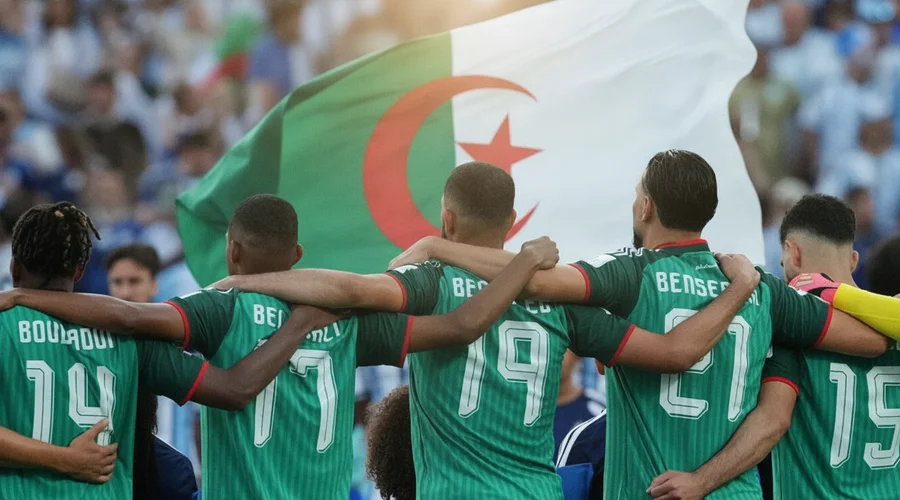
Context of the Commendation
In the aftermath of Algeria's World Cup encounter with Argentina, a moment of reflection emerged, shifting focus from the sporting result to humanitarian efforts. Palestinian activist Mahmoud Zaiter publicly acknowledged Algeria's substantial support for orphans in the Gaza Strip. His remarks served to console Algerian football supporters, redirecting their attention from the disappointment of a match defeat to the profound impact of their nation's charitable initiatives.
Zaiter's message underscored a perspective that transcends the competitive arena of international sports. He posited that the act of sponsoring over a thousand orphans in Gaza represents a triumph of greater significance than any victory achieved on a football pitch. This viewpoint aims to reframe the concept of national achievement, placing humanitarian contributions at the forefront of a country's accomplishments.
The Scope of Algeria's Humanitarian Commitment
Algeria's commitment to the welfare of Gaza's orphans is a notable aspect of its foreign policy and humanitarian outreach. The sponsorship program mentioned by Zaiter signifies a sustained effort to provide essential support to a vulnerable population. The Gaza Strip has faced numerous challenges, and its orphan population often requires extensive assistance, including provisions for shelter, food, education, and healthcare.
Such initiatives are crucial for the long-term well-being and development of children affected by conflict and hardship. By taking on the sponsorship of a significant number of orphans, Algeria demonstrates a tangible commitment to alleviating suffering and fostering hope in a region grappling with complex socio-economic and political issues. This type of aid is often a lifeline for recipients, offering a degree of stability and opportunity that might otherwise be unavailable.
The Role of Activism in Highlighting Global Issues
Mahmoud Zaiter's intervention exemplifies the role of activism in drawing public attention to critical global issues. By linking a widely watched international sporting event with a pressing humanitarian concern, Zaiter effectively utilized a moment of collective focus to disseminate an important message. This approach can be particularly effective in reaching a broad audience, including those who may not regularly engage with news related to humanitarian crises.
Activists often play a pivotal role in advocating for vulnerable communities and ensuring that their needs are not overlooked amidst the myriad of global events. Their ability to connect disparate topics, such as sports and humanitarian aid, can create powerful narratives that resonate with the public and potentially inspire further action or awareness. Zaiter's statement not only praised Algeria but also implicitly encouraged continued support for those in need.
National Identity and International Solidarity
The sentiment expressed by Zaiter also touches upon the broader themes of national identity and international solidarity. For many nations, humanitarian aid is an integral part of their foreign policy and a reflection of their values on the global stage. Algeria's support for Gaza's orphans can be viewed through this lens, showcasing a commitment to solidarity with communities facing adversity.
In the context of football, where national pride is often intensely displayed, Zaiter's message offered a different avenue for Algerians to feel proud of their country. It suggested that a nation's true strength and character are not solely defined by athletic prowess but also by its compassion and willingness to assist others. This perspective can foster a sense of collective purpose that extends beyond competitive outcomes, promoting a more inclusive understanding of national achievement.
The Broader Impact of Humanitarian Sponsorship
The sponsorship of orphans, particularly in conflict-affected regions like Gaza, has far-reaching implications. Beyond providing immediate necessities, it can contribute to the social fabric and long-term stability of a community. Children who receive consistent support are more likely to access education, develop skills, and ultimately contribute positively to their societies.
Furthermore, such humanitarian gestures can strengthen diplomatic ties and foster goodwill between nations. They demonstrate a shared humanity and a willingness to transcend political differences in the pursuit of common welfare. Algeria's initiative, therefore, serves not only as a direct benefit to the sponsored children but also as a symbol of international cooperation and empathy in challenging global circumstances.
Source: Original Article
Related Articles
 news
news
Netanyahu Faces Scrutiny Following US-Iran Accord Excluding Israel
 news
news
Greece's 'Operation ENTOS': A Controversial Approach to Public Order and its European Implications
 news
news
Pentagon Initiates Comprehensive Review of European Troop Presence Amid NATO Spending Concerns
 news
news