
The Growing Challenge of Extreme Heat
With summer temperatures consistently reaching new highs across various parts of the world, the imperative to stay cool and safeguard health has never been more critical. Record-breaking heatwaves are becoming a more frequent phenomenon, underscoring the necessity for effective strategies to manage the heat, irrespective of access to air conditioning. Among the most significant health concerns during these periods are heat exhaustion and, more severely, heatstroke.
Heatstroke, also referred to as sunstroke, represents a grave medical emergency where the body's core temperature surpasses 40 degrees Celsius (104 degrees Fahrenheit). Without prompt intervention, this condition can lead to severe health complications, including organ failure, brain damage, and can even prove fatal. Therefore, a comprehensive understanding of prevention and treatment protocols is vital for public safety.
Preventative Measures to Avoid Heatstroke
Minimizing the risk of heatstroke involves adopting several practical habits and precautions, particularly during periods of intense heat. These measures are designed to help the body regulate its temperature more effectively and reduce exposure to extreme conditions:
- Hydration is Key: Consuming ample amounts of water throughout the day is fundamental. Staying well-hydrated helps the body sweat and cool down efficiently.
- Sun Protection: Applying sunblock regularly is crucial, especially when outdoors, to prevent sunburn which can impair the body's ability to cool itself.
- Appropriate Clothing: Opt for loose-fitting, light-colored clothing made from breathable fabrics like cotton. These materials allow for better air circulation and reflect sunlight.
- Never Leave Occupants in Parked Cars: The interior of a parked car can reach dangerously high temperatures very quickly, making it extremely hazardous for anyone left inside, including children and pets.
- Limit Direct Sun Exposure: Seek shade whenever possible, particularly during the hottest parts of the day, typically from late morning to late afternoon.
- Avoid Strenuous Activity: Refrain from engaging in vigorous exercise or demanding physical labor during peak heat hours. If activity is unavoidable, schedule it for cooler times of the day, such as early morning or late evening.
- Cool Your Living Environment: Ensure adequate ventilation in your home. Utilize fans, open windows during cooler periods, and draw curtains or blinds to block out direct sunlight.
- Cool Showers/Baths: Taking cool showers or baths can significantly lower body temperature and provide temporary relief.
- Light Meals: Consume lighter meals that are easier to digest. Heavy, protein-rich foods can increase metabolic heat production.
- Medication Awareness: Be mindful of how certain medications might affect your body's response to heat. Consult a healthcare professional if you have concerns.
Responding to Heatstroke: Emergency Treatment
Recognizing the symptoms of heatstroke and acting swiftly is paramount. Symptoms can include confusion or an altered mental state, a rapid heartbeat, quickened breathing, an unusually high body temperature, dehydration, and nausea. If these signs appear, immediate action is required while awaiting professional medical assistance:
- Call Emergency Services Immediately: Heatstroke is a medical emergency that requires professional intervention without delay.
- Relocate to a Cooler Area: Move the affected individual away from direct sunlight and into a cooler, shaded environment.
- Positioning: Have the person lie down and elevate their feet slightly to improve circulation.
- Loosen Clothing: Remove any tight or restrictive clothing to aid in cooling.
- Active Cooling: Use a fan or air conditioner to help lower body temperature. Apply cold compresses to the neck, armpits, and groin areas.
- Hydration (If Conscious): If the person is fully conscious and able to swallow, offer small sips of water. Do not force fluids if they are confused or unresponsive.
Continue these cooling measures until emergency medical personnel arrive to take over care.
Innovative Solutions for Home Cooling
For those without access to air conditioning or seeking to reduce energy consumption, several resourceful methods can help keep living spaces comfortable:
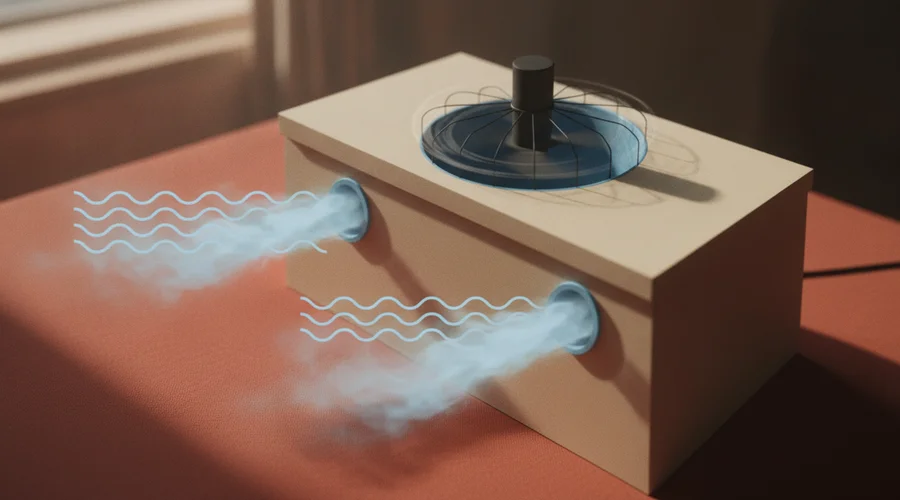
- DIY Air Cooler: A simple homemade cooler can be constructed using a styrofoam cooler, ice, and a small fan. While it may not address humidity, it can offer noticeable relief during intense heat. This involves placing ice inside the cooler with the fan positioned to blow air across the ice, circulating cooler air into the room.
- Optimizing Natural Airflow: Strategic manipulation of windows and doors can enhance natural ventilation. By opening windows on opposite sides of the house or in different rooms, a cross-breeze can be created, directing cooler air through your living space and expelling warmer air. This method is most effective during cooler parts of the day, such as early mornings and evenings.
By implementing these preventative strategies and understanding emergency response protocols, individuals can significantly reduce the risks associated with heatwaves and safeguard their health during periods of extreme heat.
Source: How to stay cool and treat heatstroke during a heatwave
Related Articles
 health
Gaza's Diabetes Patients Face Dire Challenges Amidst Conflict-Induced Shortages
 health
France Records First Ebola Case in Humanitarian Worker Returning from DR Congo
 health
DR Congo's Ebola Crisis Worsens Amidst Conflict and Displacement, Cases Exceed 1,000
 health