
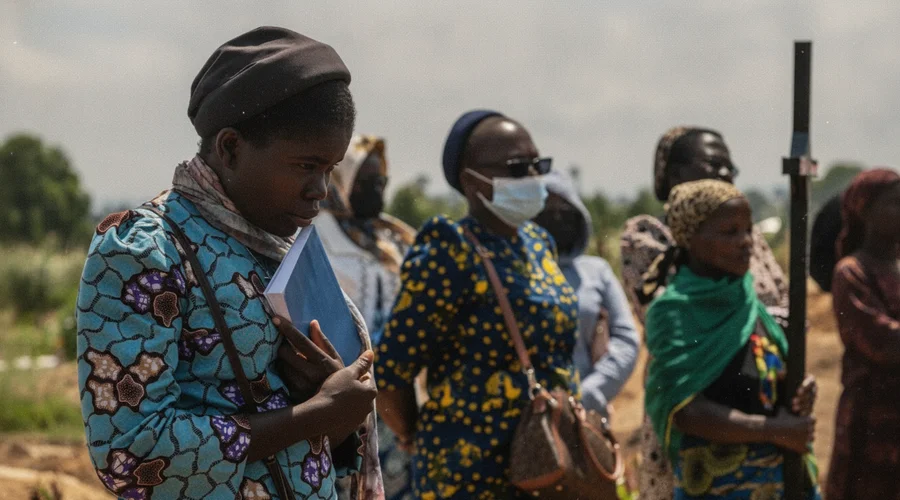
Ebola Outbreak in Eastern DR Congo Reaches Critical Levels
The Democratic Republic of Congo (DRC) is currently facing a severe health crisis as the number of confirmed Ebola cases in its eastern region has exceeded 1,000. Health officials report that the outbreak, primarily centered in the northeastern Ituri province, continues to spread, with significant challenges posed by persistent violence and large-scale displacement of populations. These factors are critically undermining efforts to control the highly contagious virus.
According to data released by the DRC’s Ministry of Health on a recent Sunday, a total of 1,003 individuals have been infected since the outbreak was officially declared on May 15. Tragically, 254 deaths have been recorded, highlighting the lethality of the disease. While 100 people have managed to recover, a substantial number—at least 365 individuals—are currently receiving treatment in hospitals or isolation facilities. The current outbreak is attributed to the rare Bundibugyo strain of Ebola, for which there are no approved vaccines or specific treatments available. This particular strain has made the current epidemic the worst on record for the country within its initial month.
Undetected Cases and Gaps in Response
Health officials have expressed concerns that the reported figures might not fully capture the extent of the epidemic. They acknowledge that many infections are likely going undetected, suggesting that the peak of the outbreak may still be ahead. A critical component of Ebola containment is contact tracing, which involves identifying and monitoring individuals who may have been exposed to the virus. However, the Ministry of Health has indicated that contact tracing efforts have only reached approximately 55 percent of potentially exposed individuals. This significant gap in surveillance poses a major challenge to effective disease control.
Dr. Jean Kaseya, the director general of the Africa Centres for Disease Control and Prevention, recently emphasized the importance of identifying the index case in an outbreak, particularly for a disease like Ebola. He stated, “If you want to control an outbreak, especially an Ebola outbreak, you must know the index case. We don’t have confidence in when this outbreak started.” This uncertainty regarding the outbreak’s origin further complicates the response, making it difficult to understand transmission chains and implement targeted interventions.
Impact of Violence and Displacement on Containment Efforts
The humanitarian situation in eastern DRC is further complicated by ongoing violence, which severely restricts access to affected communities. Attacks by the Allied Democratic Forces, an ISIL-linked group active in Ituri, have resulted in villages being cut off from assistance and forced thousands of residents to flee their homes. These displaced populations often seek refuge in overcrowded camps, where the risk of disease transmission is significantly heightened.
One such location is the Kigonze displacement camp near Bunia, which currently shelters over 20,000 individuals. Officials at the camp reported 10 unexplained deaths in the past week, prompting urgent calls for investigation. While no Ebola cases have been confirmed within the camp, the precarious living conditions raise serious alarms. Charite Banza, a civil society leader in Ituri, voiced these concerns, stating, “If a disease or epidemic were to spread among the thousands of people living at this site, it would be a real catastrophe, given our already very precarious living conditions.” The close proximity and lack of adequate sanitation in these camps create an ideal environment for rapid disease spread, making the population highly vulnerable.
The combination of a deadly virus, a lack of specific treatments, and a volatile security situation creates a complex and challenging environment for humanitarian and health organizations. Efforts to provide medical care, conduct contact tracing, and implement preventative measures are constantly hampered by the threat of violence and the continuous movement of displaced populations. The international community continues to monitor the situation closely, recognizing the urgent need for a multi-faceted approach that addresses both the health crisis and the underlying humanitarian challenges in the region.
Source: Original Article
Related Articles
 health
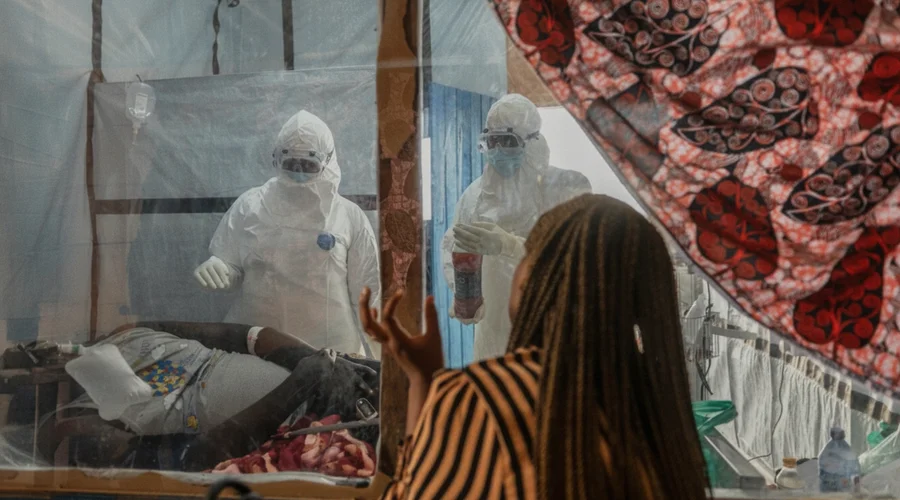
Community Outcry Leads to Patient Removal from DRC Ebola Facility
 health
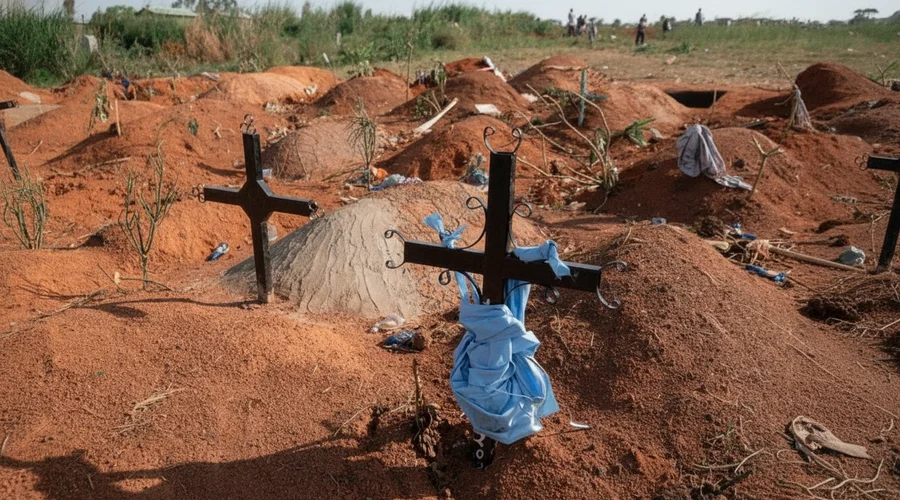
Ebola Outbreak in DRC Expected to Worsen Before Improvement, Red Cross Warns
 health
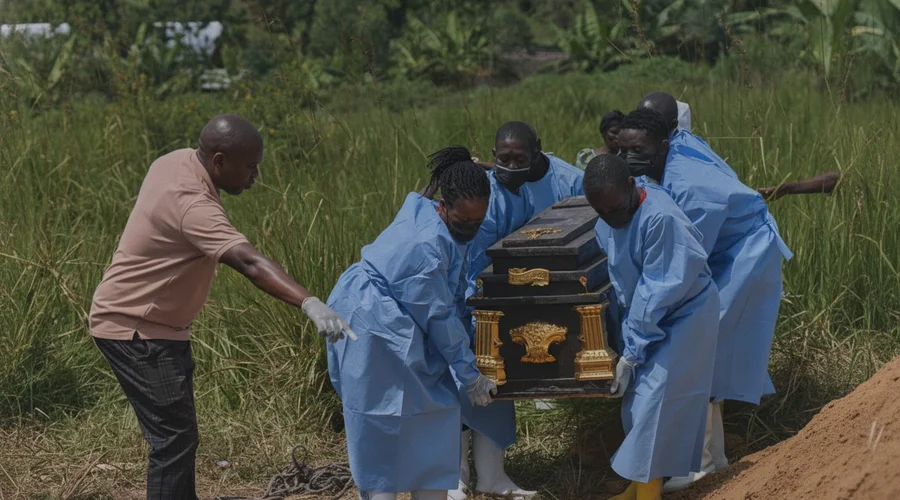
DRC Ebola Outbreak Intensifies Amidst Conflict and Containment Challenges
 health