
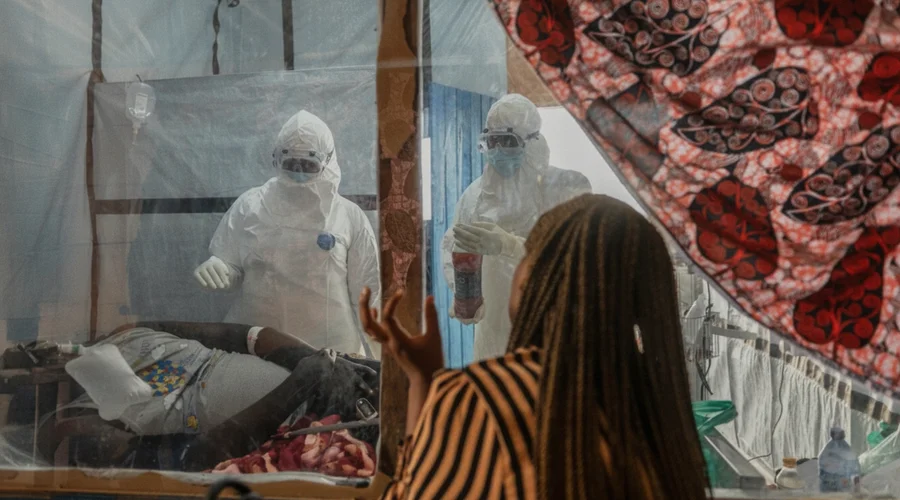
Tensions Escalate at Ebola Treatment Center in Eastern DRC
In a development that underscores the complex challenges of public health interventions in conflict-affected regions, reports from the eastern Democratic Republic of Congo (DRC) indicate a significant incident at an Ebola treatment facility. Relatives of individuals suspected of having Ebola reportedly forced their way into a quarantine center, subsequently removing patients. This event has raised considerable alarm among health officials and international aid organizations, who fear that such actions could severely impede efforts to control the spread of the deadly virus and potentially lead to further transmission within communities.
The Incident Unfolds
Details emerging from the affected area suggest that the incident was driven by a combination of factors, including distrust in healthcare systems, cultural beliefs, and a desire for patients to be cared for within their homes and communities. Eyewitness accounts describe a scene where a group of family members, reportedly frustrated with the isolation protocols and the perceived lack of communication from health authorities, took direct action to retrieve their loved ones. The exact number of patients removed from the facility has not been definitively confirmed, but the implications of even a few individuals leaving a controlled environment are significant for disease containment.
Challenges in Ebola Response
The eastern DRC has been grappling with recurrent Ebola outbreaks for several years, a struggle compounded by persistent insecurity, armed conflict, and a deeply entrenched skepticism towards external health interventions. Public health campaigns, including vaccination efforts and safe burial practices, have often faced resistance, sometimes violently. This latest incident is not an isolated event but rather a symptom of broader societal mistrust and misunderstanding surrounding the disease and its management. The World Health Organization (WHO) and other humanitarian groups have frequently highlighted the difficulty of implementing effective public health measures in areas where communities harbor deep-seated suspicions and where misinformation can spread rapidly.
Impact on Disease Containment
One of the cornerstone strategies for controlling Ebola outbreaks is the rapid identification, isolation, and treatment of infected individuals. This approach is critical to breaking chains of transmission. When suspected or confirmed patients are removed from treatment centers, the ability to monitor their health, provide appropriate medical care, and prevent them from infecting others is severely compromised. Such incidents can lead to 'silent' transmission, where the virus spreads undetected within communities, making it much harder to trace contacts and contain the outbreak. This creates a significant setback for the tireless efforts of healthcare workers who often operate under challenging and dangerous conditions.
Community Engagement and Trust-Building
The incident underscores the urgent need for enhanced community engagement and trust-building initiatives in public health responses. Experts in global health emphasize that successful disease control relies not only on medical science but also on strong relationships with the affected populations. This involves respectful dialogue, cultural sensitivity, and transparent communication about the nature of the disease, the purpose of isolation, and the benefits of professional medical care. Without the active cooperation and understanding of communities, even the most robust public health strategies can falter. Efforts to educate and involve local leaders, traditional healers, and community members in the response planning are crucial for fostering acceptance and reducing resistance.
Addressing Underlying Issues
Beyond the immediate crisis, the incident highlights deeper societal and political issues that contribute to such defiance. Poverty, limited access to basic healthcare services, and a history of conflict and exploitation can fuel resentment towards authorities and international bodies. Addressing these underlying factors, alongside direct health interventions, is essential for long-term stability and for creating an environment where public health initiatives can be effectively implemented. This includes investing in local healthcare infrastructure, strengthening local governance, and promoting peace and security in the region.
Looking Ahead
As health authorities work to assess the full implications of the patient removals, the incident serves as a stark reminder of the complexities inherent in managing public health crises in vulnerable settings. The focus will now shift to re-establishing trust, locating the individuals who were removed, and intensifying efforts to communicate the importance of adherence to public health protocols to prevent further escalation of the outbreak. The international community continues to support the DRC in its fight against Ebola, recognizing that a collaborative and community-centered approach is paramount to overcoming these formidable challenges.
Source: Original Article
Related Articles
 health
Ebola Outbreak in DRC Expected to Worsen Before Improvement, Red Cross Warns
 health
DRC Ebola Outbreak Intensifies Amidst Conflict and Containment Challenges
 health
US Preparedness for Ebola Amid World Cup: A Comprehensive Overview
 health