Widespread Power Interruption Affects Cuban Population
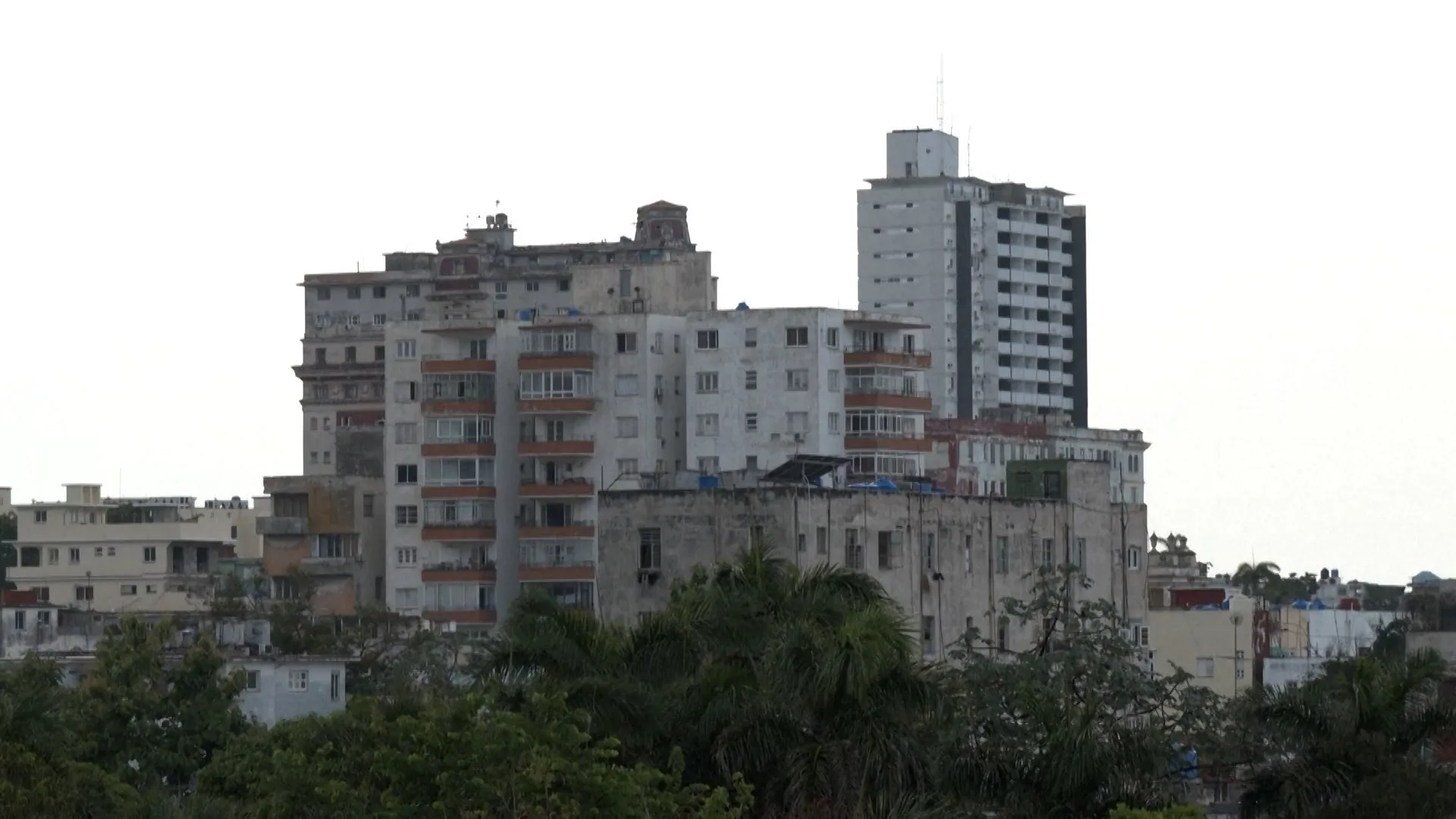
On a recent Monday, Cuba was subjected to a significant electrical outage that impacted virtually the entire island, leaving approximately 10 million inhabitants without power. This event marks the third such occurrence within a six-month period, raising concerns about the nation's energy infrastructure. The state-owned Electric Union of Cuba (UNE) has acknowledged the incident and stated that an investigation into its origins is actively underway.
Previous Incidents and System Vulnerabilities
This latest blackout follows two other major power failures that have affected the country since the beginning of the year. The recurring nature of these incidents points to potential systemic fragilities within Cuba's electrical grid. Experts suggest that a combination of factors, including aging infrastructure, insufficient maintenance, and a reliance on imported fuel, could be contributing to the instability. The Cuban government has frequently cited the impact of the long-standing U.S. embargo as a significant impediment to acquiring necessary parts and making crucial upgrades to its energy system. However, critics argue that internal management issues and a lack of investment also play a substantial role.
Impact on Daily Life and Economic Activities
The immediate consequences of nationwide power outages are far-reaching, disrupting daily life for millions. Essential services, such as water supply, communication networks, and healthcare facilities, often face severe challenges during prolonged blackouts. Businesses, particularly small and medium-sized enterprises, suffer significant economic losses due to spoiled goods, halted operations, and lost productivity. The agricultural sector, vital for the nation's food security, can also be severely affected, especially operations reliant on refrigeration or irrigation systems. For ordinary citizens, the lack of electricity translates into difficulties with cooking, lighting, and maintaining comfortable living conditions, particularly in Cuba's tropical climate where air conditioning is often a necessity.
Challenges in Energy Production and Distribution
Cuba's energy matrix heavily relies on thermoelectric power plants, many of which are decades old and frequently operate below optimal capacity due to a lack of spare parts and regular maintenance. The country also faces challenges in securing a consistent supply of fuel, primarily crude oil, which is essential for these plants. While Cuba has made efforts to diversify its energy sources, including investments in renewable energy like solar and wind power, these initiatives have not yet reached a scale sufficient to significantly alleviate the pressure on the traditional grid. The distribution network itself is also prone to failures, with transformers and transmission lines often succumbing to wear and tear or environmental factors.
Government Response and Future Outlook
Following each major blackout, the Electric Union typically issues statements promising thorough investigations and efforts to restore service as quickly as possible. However, the repeated nature of these events suggests that more fundamental, long-term solutions are required. The government has, in the past, outlined plans for modernizing the energy sector, but the implementation of these plans has been hampered by economic constraints and external pressures. The frequency of these blackouts underscores the urgent need for comprehensive reforms and substantial investment in Cuba's energy infrastructure to ensure a stable and reliable power supply for its citizens and to support its economic development goals. The ongoing investigations into the latest incident are expected to provide further insights into the specific technical failures that led to the widespread disruption.
Source: Original Article