Public Homage to the Deceased Supreme Leader
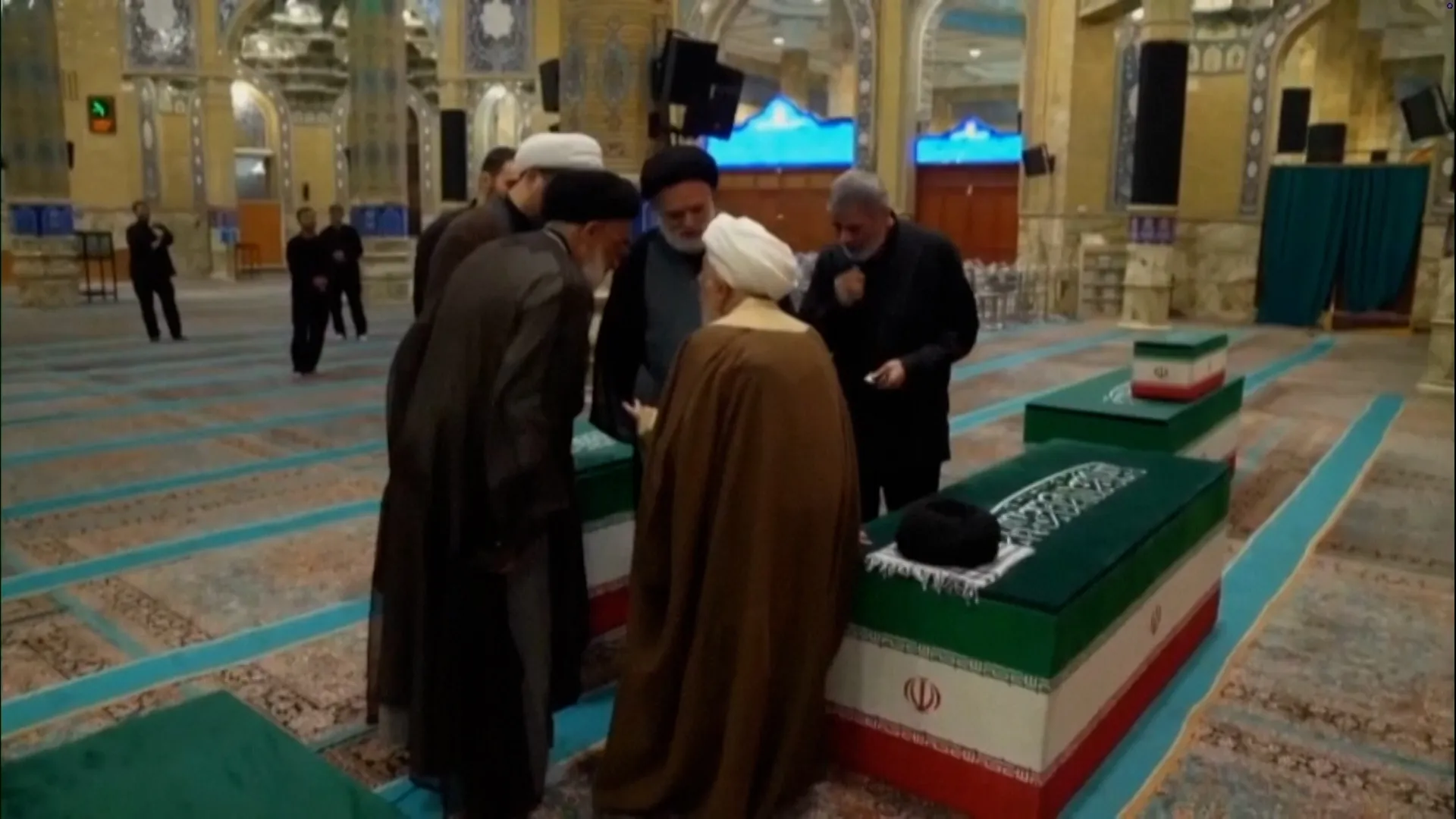
Large crowds assembled in the vicinity of Qom, a city renowned for its religious significance in Iran, to participate in the initial funeral proceedings for the nation's late Supreme Leader, Ali Khamenei. The gatherings commenced at the Jamkaran Mosque, situated just south of the city, where tens of thousands of individuals congregated to pay their respects and observe the traditional rites.
Ceremonial Journey and Final Resting Place
The funeral arrangements for the Supreme Leader are structured to encompass multiple significant locations, reflecting his stature and the traditions associated with such an event. Following the initial ceremonies held in Qom, the observances are slated to extend beyond Iran's borders into Iraq. This phase of the mourning period will include stops in the holy cities of Najaf and Karbala, both of which hold immense spiritual importance for Shia Muslims globally.
Najaf, a city in southern Iraq, is revered as the site of the Shrine of Imam Ali, a central figure in Shia Islam and the fourth Rashidun Caliph. Karbala, also in Iraq, is home to the Imam Hussein Shrine, commemorating Hussein ibn Ali, a grandson of the Islamic prophet Muhammad and a pivotal martyr in Shia Islam. These stops underscore the profound religious dimension of the funeral and allow for broader participation from the Shia community in the region.
Upon the completion of the ceremonies in Iraq, the procession is scheduled to return to Iran for the ultimate interment. The final burial will take place in Mashhad, the Supreme Leader's hometown. Mashhad is another of Iran's holiest cities, primarily due to the presence of the Imam Reza Shrine, which houses the tomb of the eighth Imam of Twelver Shia Islam, Ali al-Ridha. The choice of Mashhad for the final resting place is consistent with the tradition of burying prominent religious and political figures in their places of origin or in cities of high religious significance.
The extensive nature of these funeral rites, spanning multiple cities and countries, highlights the profound impact and deep reverence associated with the office of the Supreme Leader in Iran. The participation of vast numbers of mourners underscores the collective expression of grief and respect within the community.
The events are unfolding with a focus on adherence to established religious and cultural protocols, ensuring that each stage of the mourning process is conducted with appropriate solemnity and public engagement. The ceremonies are not merely a personal farewell but also a significant national and religious event, drawing attention from both domestic and international observers.
The logistics involved in managing such large-scale public gatherings across multiple locations, including international borders, reflect the organizational capacity required for events of this magnitude. The orderly progression of the funeral, from the initial assembly in Qom to the planned final burial in Mashhad, demonstrates a structured approach to commemorating the life and legacy of the nation's highest religious and political authority.
The collective observance of these rituals serves to reinforce communal bonds and provides an opportunity for the populace to collectively mourn and reflect on the leadership transition. The ceremonies are expected to continue over several days, allowing for widespread participation and ensuring that all traditional customs are honored.
Source: Original Article