
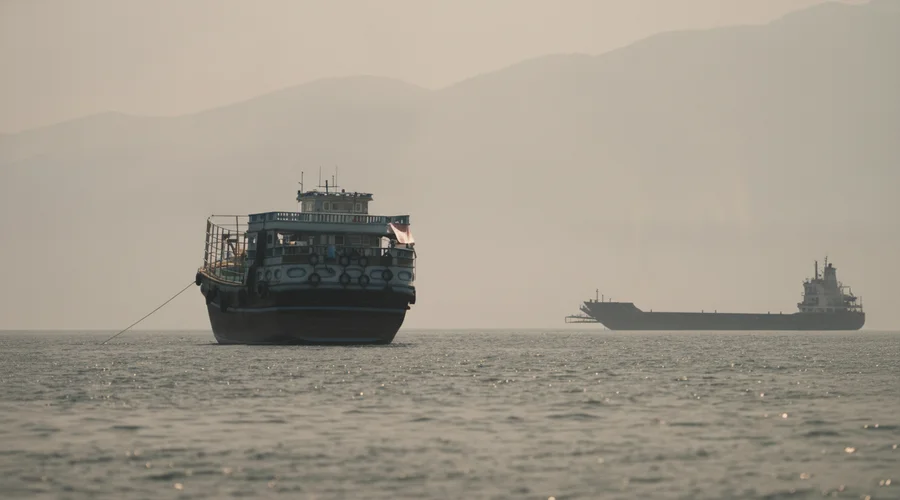
Revolutionary Guards Emphasize Control Over Vital Shipping Lane
Iran's Revolutionary Guards (IRGC) have issued a stern warning regarding maritime traffic in the Strait of Hormuz, declaring that any vessels attempting to traverse the strategic waterway without explicit authorization will be subject to intervention. The IRGC's statement, released on Thursday, also expressed disapproval of a recently adopted alternative shipping route, underscoring the complexities surrounding the strait's future amidst delicate international negotiations.
The Strait of Hormuz, a critical conduit for a significant portion of the world's energy shipments, became a focal point of contention during the prolonged conflict between the United States and Iran. Its status and operational control remain a significant point of disagreement in ongoing discussions aimed at de-escalating regional tensions.
Dispute Over Maritime Fees and International Waterway Status
Tehran has indicated its intention to implement what it describes as maritime service fees for passage through the strait in the future, distinguishing these from traditional tolls. Conversely, the United States maintains that the Strait of Hormuz is an international waterway, asserting that passage through it should not be subject to any charges or levies.
In their recent declaration, the Revolutionary Guards explicitly stated, "The only authorized route for passage through the Strait of Hormuz is the route announced by the Islamic Republic of Iran." They further characterized any unauthorized transit as "unacceptable and extremely dangerous." The statement also criticized a new route through the waterway, which they attributed to "certain authorities," without providing further specifics.
Tanker's Passage and Iran's Concerns
This warning from Iran follows the transit of a Liberian-flagged oil tanker, the Stoic Warrior, through the strait on Thursday. Reports indicate the vessel utilized a route in close proximity to Oman's coastline. According to Associated Press reports, the tanker commenced its journey early Thursday morning, hugging the coasts of the United Arab Emirates and subsequently Oman. The vessel then reportedly navigated around Oman's Musandam Peninsula, maintaining a relatively close distance to the shore. This particular route is part of a corridor that Oman, in conjunction with the International Maritime Organization (a United Nations agency overseeing maritime shipping), has outlined.
Al Jazeera's correspondent, Resul Serdar, reporting from Tehran, suggested that the Revolutionary Guards' frustration stems from this new route. Serdar elaborated, "This is because the new route is somehow bypassing the IRGC’s control on the Strait of Hormuz." He further noted that control over the Strait of Hormuz has historically provided Iran with considerable leverage, allowing it to exert pressure on adversaries and influence the global economy since the onset of the recent conflict. Serdar concluded, "Tehran says even after the parties [the US and Iran] reach a final agreement, Iran is not going to give up on this leverage in any way and there will be an Iranian control over there."
Strategic Importance of the Strait
The Strait of Hormuz is a narrow body of water situated between Iran and Oman. It is a critical chokepoint through which approximately 20 percent of the world's crude oil and liquefied natural gas typically transits. At its narrowest point, the strait measures only about 30 kilometers (18 miles) in width. The route currently recognized as authorized by Iran follows a corridor along its own coast.
A recent Memorandum of Understanding, signed last week by Tehran and Washington, extended their ceasefire agreement. This agreement stipulates that commercial vessels are permitted to transit the strait free of charge for an additional 60 days. However, with ongoing negotiations between Iran and the United States aimed at achieving a permanent cessation of hostilities, the long-term arrangements for the strait beyond this 60-day period remain uncertain.
International Reactions and Disagreement
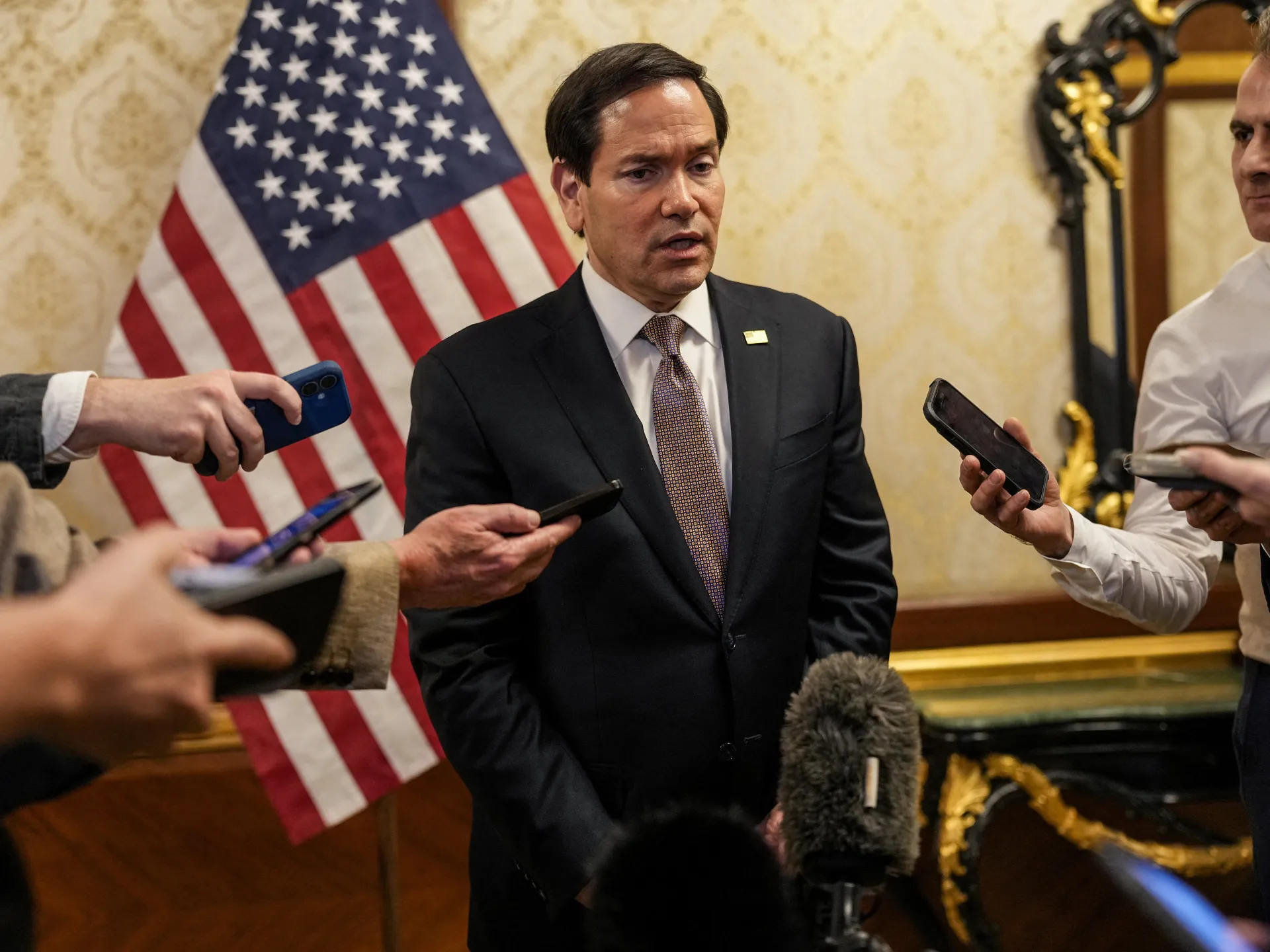
Earlier in the week, Iran and Oman announced their intention to examine the "costs" that would be levied for services related to the administration of the strait. However, during a visit to neighboring Gulf countries this week, U.S. Secretary of State Marco Rubio unequivocally stated that Washington would not accept any tolls or fees for passage.
Speaking at a press conference in Bahrain, Rubio asserted that the United States would not acknowledge any nation's claim over the strait. He emphasized, "The reality of it is that no country on Earth has the right to charge for the use of international waterways. And that will never be an acceptable condition of any deal. The president’s been fundamentally clear about that." Conversely, Bahrain’s Foreign Minister Abdullatif bin Rashid Al Zayani, who presided over the gathering, expressed his approval of Oman’s announcement regarding a secure passage corridor for vessels through the strait, highlighting the divergent perspectives among regional and international actors on this critical issue.
Source: Al Jazeera
Related Articles
 world
world
ICC Judges Challenge Trump Sanctions, Citing Unlawful Coercion
 world
world
Regional Tensions Escalate: Iran Rejects New Hormuz Route, US Secretary of State Engages GCC Leaders Amidst Broader Conflicts
 world
world
Dual Earthquakes Trigger Widespread Alarm in Venezuela
 world
world