Initial Steps Towards De-escalation
A memorandum of understanding (MoU) recently established between Iran and the United States has navigated its initial challenges, laying the groundwork for a potential long-term resolution to the conflict that commenced nearly four months prior. This agreement initiates a phase of intricate political and technical discussions. While the Iranian populace is observing these developments with keen interest, their optimism remains tempered by the complexities ahead.
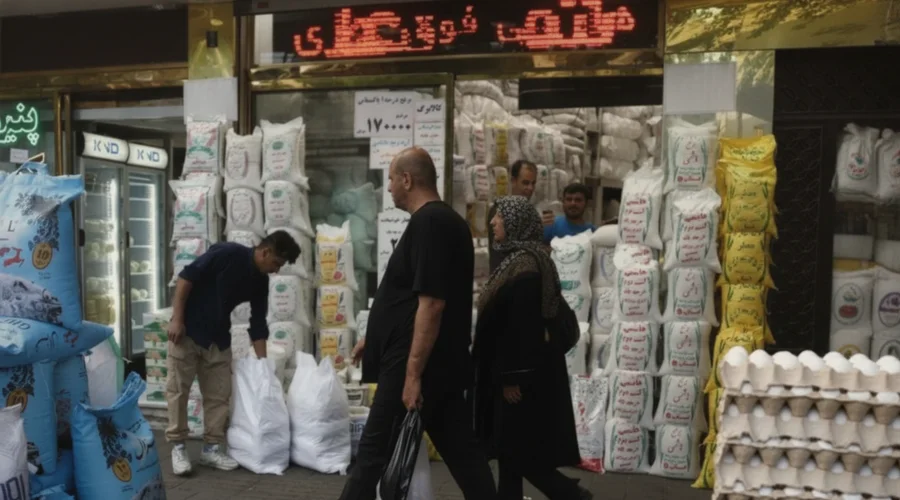
Ehsan, a resident of central Tehran, reflected on the significant shift in circumstances, remarking to Al Jazeera, "We transitioned from daily bombings to discussions about purchasing corn from the US. This represents a positive change, yet our daily quality of life continues to deteriorate." His comments refer to news that Iran may now utilize some of its frozen funds abroad to acquire humanitarian goods, including food and medicine, as stipulated by the agreement.
Economic Implications and Public Reaction
Abdolnaser Hemmati, Iran's central bank governor, indicated in a recent video message that Tehran could procure agricultural products such as corn and wheat from the US, provided the price and quality are satisfactory. The agreement, however, does not impose an obligation to do so. Furthermore, the US Treasury has issued a general license as part of the MoU, permitting the production, delivery, and sale of Iranian-origin crude oil, petrochemicals, and petroleum products until August 21. Payments for these transactions may be made in US dollar-denominated funds, potentially enabling Iran to sell oil with reduced reliance on covert discounts, circumvention tactics, and complicated payment or barter systems.
In recent days, Iran has reportedly exported millions of barrels of oil previously stored on supercarriers, which could inject more capital into the national economy. Nevertheless, the direct and immediate impact on the Iranian populace is not anticipated, as they continue to contend with some of the world's highest inflation rates, particularly concerning food and medicine. The national currency, which had weakened to approximately 1.9 million rials against the US dollar in early May, had strengthened to 1.53 million by mid-June. However, by Wednesday, the rate in Tehran's open market had regressed to 1.64 million.
Trade Routes and Business Challenges
Iranian authorities report that, in addition to oil exports, traditional maritime trade has partially resumed through Iran's southern ports, particularly for essential goods that were previously stranded in ports of the United Arab Emirates (UAE). Despite this, the major neighboring market, which historically served as a re-export hub for many goods destined for Iran, has not fully reopened to Iranian traders following the conflict.
A merchant in Tehran's Jomhouri business district, who sells imported electric toothbrushes, hairdryers, and other personal care items, expressed his hopes: "I hope they reach a real agreement this time that can allow us to have a normal life and business." He elaborated on the difficulties faced by businesses, stating, "Over the past few months, we've sustained our operations by placing new orders in the UAE and arranging for them to be transported by passengers traveling from Oman. However, this method is unsustainable for a business."
Cybersecurity Concerns and Internal Dissent
Concurrent with these developments, Iranians have also experienced widespread disruptions to the country's banking system, affecting both in-person and online services provided by several major lenders. On Tuesday, most card-based services were disconnected due to what authorities described as a significant cyberattack. This necessitated the use of cash at petrol stations and grocery stores, leading to various problems, including employers being unable to process payments and borrowers missing debt obligations. Most of these issues were resolved by Wednesday, according to officials.
Some speculated that Israel, potentially aggrieved by the MoU, might be responsible for the cyberattacks, given its suspected involvement in similar incidents in the past. Major banks and the country's leading cryptocurrency exchange were also targeted during the 12-day conflict with Israel last year. However, authorities have refrained from officially attributing blame.
Among the more hardline supporters of the Islamic republic, significant discontent is evident. They advocate for retribution following the killing of Supreme Leader Ayatollah Ali Khamenei on the first day of the conflict and strongly oppose any concessions to Washington. These factions cite reservations attributed to Mojtaba Khamenei, the new supreme leader, as justification for their argument that negotiations with the US should cease, and Tehran should demand more from President Donald Trump's administration.
During a broadcast on state television's Channel 2 on Tuesday night, host Mohsen Azadi critically questioned the central bank governor's statement regarding Iran's potential purchase of food from the US. "You must feel insulted by this. It hasn't even been four months [since Khamenei's killing]. You want to buy from the vile president who just said the Iranian people are hungry?" he challenged Hemmati, referencing Trump's recent comments.
More than 50 hardline members of Iran's parliament, who oppose any agreement, plan to protest in front of the parliament building on Sunday. They are protesting the continued closure of the assembly despite the cessation of military hostilities and their inability to impeach government ministers for several months. An online poll on Tabnak, a state-run news website, indicated that over 80 percent of state supporters considered the MoU detrimental to Iran. This poll page was subsequently removed without explanation.
Conversely, the government and the officials leading the negotiations maintain that Iran is negotiating from a position of strength, adhering to a principle of "commitment for commitment." Chief negotiator and Speaker Mohammad Bagher Ghalibaf, addressing delegations at an Organisation of Islamic Cooperation meeting in Baku, Azerbaijan, stated, "Our resistance stems from faith and was instrumental in frustrating the enemy's objectives, compelling it to yield in both the battlefield and negotiations."
Source: Original Article
Related Articles
 world
world
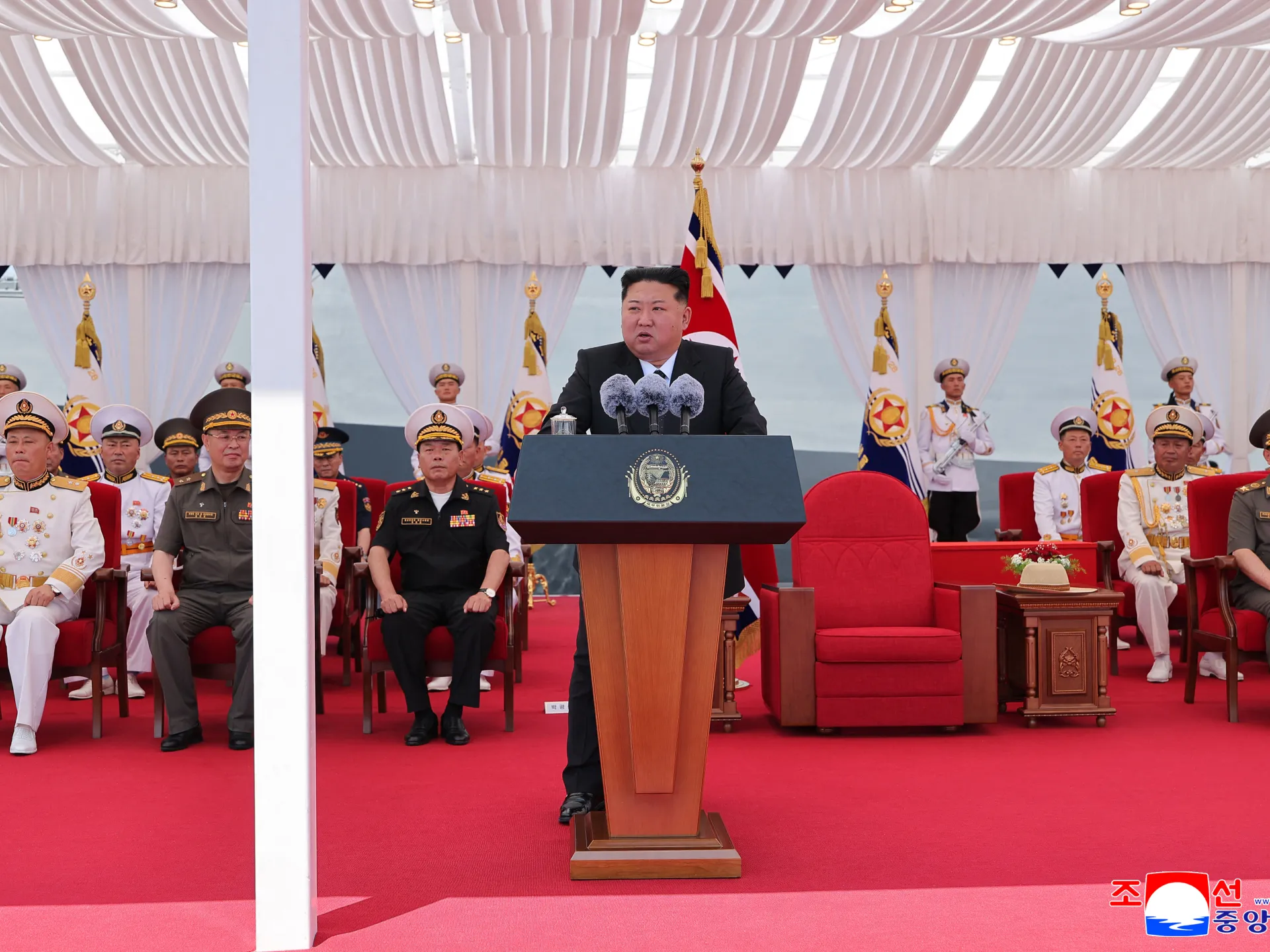
North Korea Unveils New 5,000-Ton Destroyer, Enhancing Naval Capabilities
 world
world
Ukrainian Strikes Disrupt Power in Russian-Controlled Sevastopol Amid Escalating Conflict
 world
world
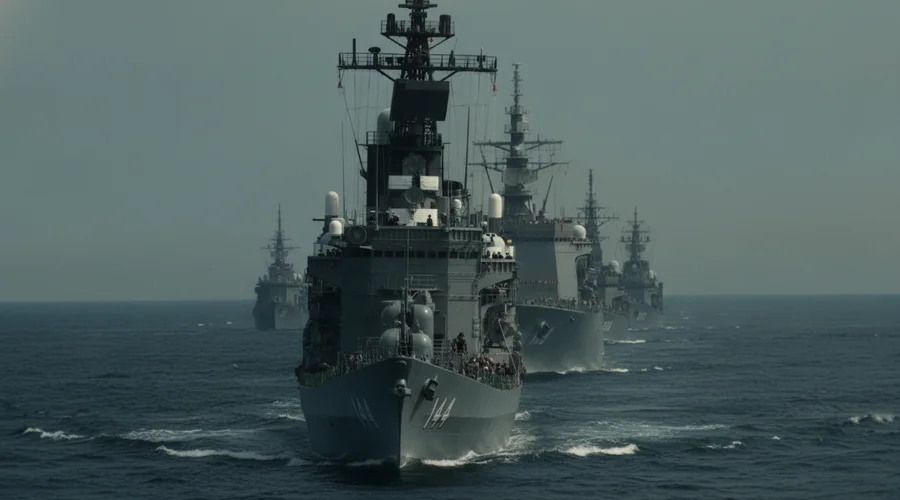
North Korea Unveils New Warship, Signals Intent for Nuclear-Capable Navy
 world
world