
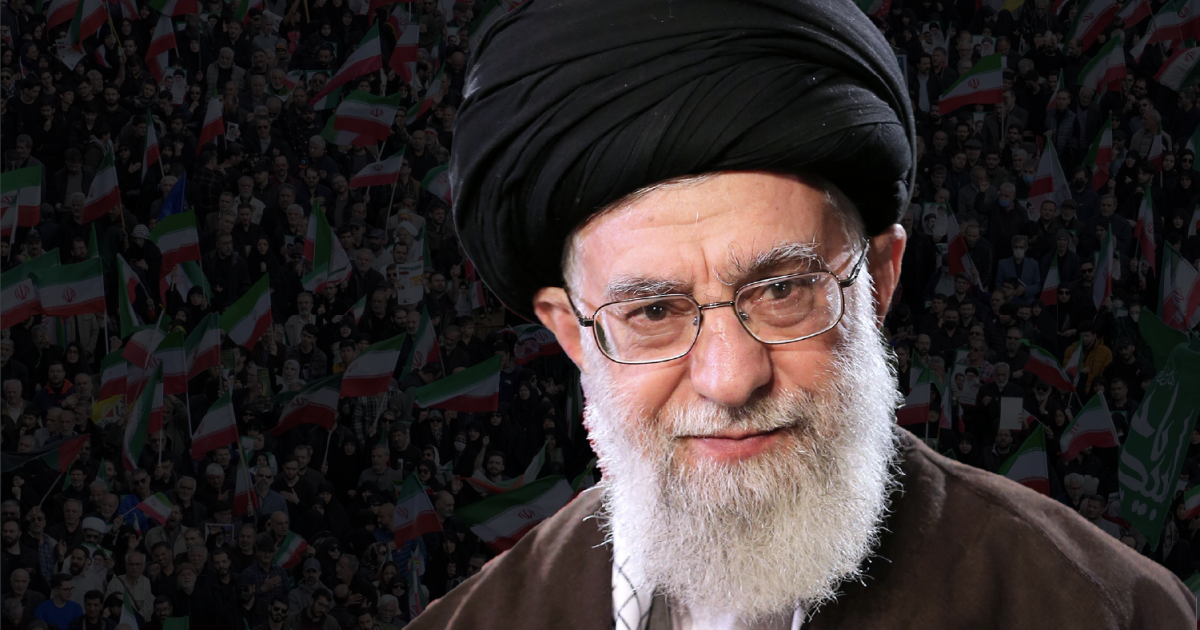
Overview of the Funeral Arrangements
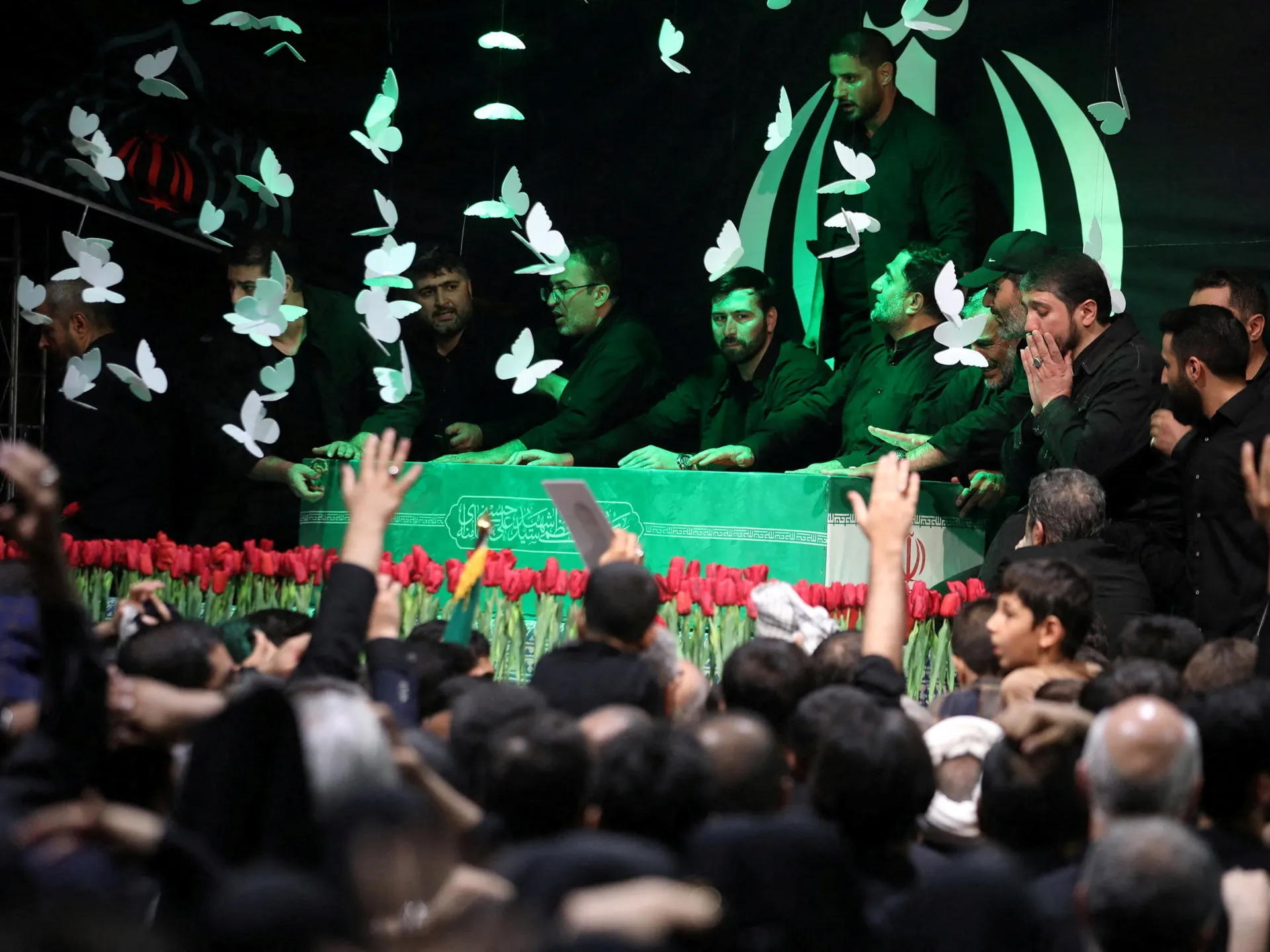
Iran is preparing for an extensive seven-day series of funeral ceremonies and processions for its late Supreme Leader, Ayatollah Ali Khamenei. These events are scheduled to commence on July 3 and conclude on July 9, encompassing multiple significant cities in Iran and Iraq. The burial, originally planned for an earlier date, was reportedly postponed due to ongoing regional conflicts.
Ayatollah Ali Khamenei, aged 86, passed away on February 28, following a joint US-Israeli air strike on his compound. This event marked the initial day of a broader conflict between the US, Israel, and Iran. Khamenei's leadership of Iran began in 1989, succeeding Ayatollah Ruhollah Khomeini, the architect of the Islamic revolution a decade prior. While Khomeini established the ideological foundation of the revolution that ended the Pahlavi monarchy, Khamenei played a pivotal role in shaping the country's military and paramilitary structures. The upcoming funeral will also represent the first significant state ceremony under his successor, his son Mojtaba Khamenei, who has largely remained out of public view since the onset of the US-Israel conflict four months ago.
Commencement in Tehran: July 3-5
The funeral proceedings will begin in Tehran on July 3. This initial day is designated for international dignitaries, including global leaders, senior officials, and religious and academic figures from around the world, to offer their condolences and respects. Subsequently, on July 4 and 5, public funeral ceremonies will commence in the capital. The coffins of the late Supreme Leader and several family members will be placed in state at the Grand Mosalla for public viewing and farewells. The Grand Mosalla, one of Iran's largest prayer complexes, is designed to accommodate substantial congregations and has historically served as a venue for major religious observances and state occasions.
Journey to Qom: July 6-7
Following the events in Tehran, the funeral processions will continue on July 6 and 7, moving through other areas of the capital before proceeding to Qom. Situated approximately 120 kilometers (75 miles) south of Tehran, Qom holds immense religious significance as Iran's foremost center for Shia Islamic scholarship. It is considered one of the holiest cities in the country, housing its largest seminaries where thousands of scholars, including the late Ali Khamenei himself, have studied and taught.
Iraqi Leg: Najaf and Karbala: July 8
On July 8, the funeral cortege will cross into Iraq. Iranian and Iraqi officials are slated to host an official reception at Najaf International Airport. This will be followed by public processions in the Iraqi cities of Najaf and Karbala, both of which are deeply revered by Shia Muslims. The Imam Ali Shrine in Najaf is a particularly sacred site, believed to house the tomb of Imam Ali ibn Abi Talib, who was the cousin and son-in-law of the Prophet Muhammad and the first Imam in Shia Islam. Millions of pilgrims visit this shrine annually.
Further south, the shrines of Imam Hussein and his half-brother Abbas in Karbala also represent foundational sites for Shia Islam. These locations mark where Imam Hussein, the grandson of the Prophet Muhammad, and Abbas were martyred during the Battle of Karbala in 680 CE. This historical event is central to Shia identity and religious tradition, making Karbala a profoundly significant destination for the funeral procession.
Final Burial in Mashhad: July 9
The journey will conclude on July 9, when the body will be returned to Iran for the final burial ceremony at the shrine of Imam Reza in Mashhad. Mashhad is recognized as Iran's holiest city, primarily due to the presence of the Imam Reza Shrine, dedicated to the eighth Imam in Shia Islam. The city also holds personal importance for Ali Khamenei, who was born there in 1939 and spent a significant portion of his early life in Mashhad. He pursued his initial religious education in the city's seminaries before continuing his studies in Qom. Burial near one of Shia Islam's most revered figures is considered a high honor, underscoring Khamenei's dual status as both Iran's supreme political leader and a prominent religious authority.
Source: Original Article
Related Articles
 world
world
Internal Divisions Emerge as Catholic Faction Ordains Bishops Against Vatican Directives
 world
world
Reports Emerge of US Pilot Fatality Amidst Papua Conflict
 world
world
Preparations Underway for Extended Funeral Rites of Iran's Former Supreme Leader
 world
world