
Escalation in the Middle East
Recent developments in the Middle East have seen a significant escalation of tensions, with Iran reportedly launching missiles towards US military installations in the region. This action comes in the wake of a 12-day conflict between Iran and Israel, which had already heightened regional instability. The missile launches, documented by Iranian state media, indicate a potential shift in the dynamics of the ongoing geopolitical friction.
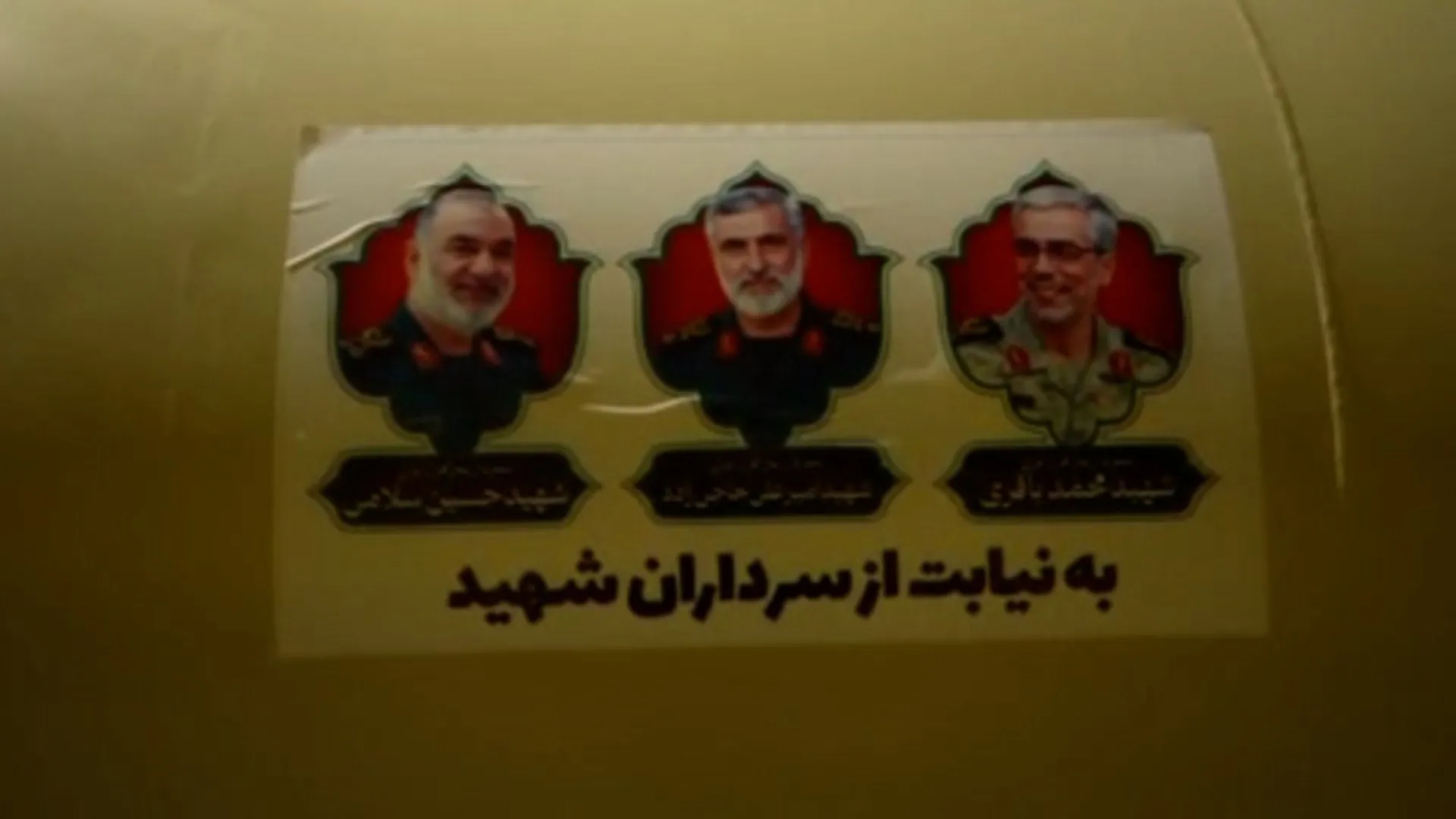
The footage released by Iranian state television showcased what appeared to be multiple missile launches. A particularly notable detail from these videos was the assertion that some of the projectiles carried images of commanders who had reportedly been killed during the recent hostilities between Iran and Israel. This symbolic gesture, if confirmed, would suggest a retaliatory or commemorative dimension to the missile strikes, linking them directly to the human cost of the preceding conflict.
Context of Regional Tensions
The Middle East has long been a hotbed of complex geopolitical rivalries and conflicts. The recent 12-day confrontation between Iran and Israel added another layer of complexity to an already volatile environment. Details surrounding this specific conflict remain under scrutiny, but its immediate aftermath appears to have directly influenced Iran's subsequent actions. The precise targets of the missile strikes and the extent of any damage or casualties at the US bases have yet to be fully disclosed or independently verified.
The presence of US military forces in the Middle East is a long-standing point of contention for various regional actors, including Iran. These forces are typically deployed to support regional allies, counter terrorism, and maintain stability. However, their presence is often perceived by some as an interventionist stance, leading to periodic confrontations and heightened security concerns. The current missile launches could be interpreted as a direct response to this perceived foreign presence, especially in the context of recent regional losses suffered by Iran.
Implications for International Relations
Such an event carries significant implications for international relations, particularly for the United States, Iran, and their respective allies. Any direct engagement or perceived aggression against US personnel or assets could trigger a robust response, potentially leading to a broader regional conflict. International bodies and diplomatic channels will likely be engaged in efforts to de-escalate the situation and prevent further military action.
The use of imagery of deceased commanders on the missiles themselves adds a powerful psychological and political element to the situation. It transforms the military action into a public display of defiance and remembrance, possibly intended to rally domestic support within Iran and send a clear message to adversaries. This type of symbolic warfare can sometimes be as impactful as the physical destruction it causes, shaping narratives and influencing public opinion both regionally and internationally.
Reporting and Verification Challenges
In situations of heightened conflict, accurate and unbiased reporting becomes crucial yet challenging. Information released by state media, particularly during times of tension, often serves national interests and may not always present a complete or objective picture. Independent verification of claims, such as the specific targets hit, the extent of damage, and the precise nature of the missiles used, is essential for a comprehensive understanding of the events.
Journalists and international observers will be closely monitoring official statements from all involved parties, as well as satellite imagery and other intelligence sources, to piece together a clearer picture of what transpired. The international community's response will largely depend on the verified facts and the perceived intentions behind Iran's actions. The immediate priority for many will be to prevent a further cycle of retaliation that could destabilize an already fragile region.
“The recent missile launches by Iran represent a critical moment in regional dynamics, underscoring the delicate balance of power and the potential for rapid escalation following prolonged tensions.”
The incident highlights the ongoing challenges in managing geopolitical rivalries in the Middle East. The interplay of historical grievances, ideological differences, and the presence of external powers continues to fuel a complex environment where military actions, even symbolic ones, can have far-reaching consequences. The international community will undoubtedly watch closely for subsequent developments and diplomatic efforts to mitigate the risks of further conflict.
Source: Original Article
Related Articles
 news
news
Escalation in Middle East as Iran Retaliates Against US Strikes, Closes Vital Strait
 news
news
Thai Court Imposes Death Penalty on Two for 2015 Bangkok Shrine Bombing
 news
news
Belfast Experiences Second Night of Anti-Immigration Unrest Amidst Stabbing Charges
 news
news