
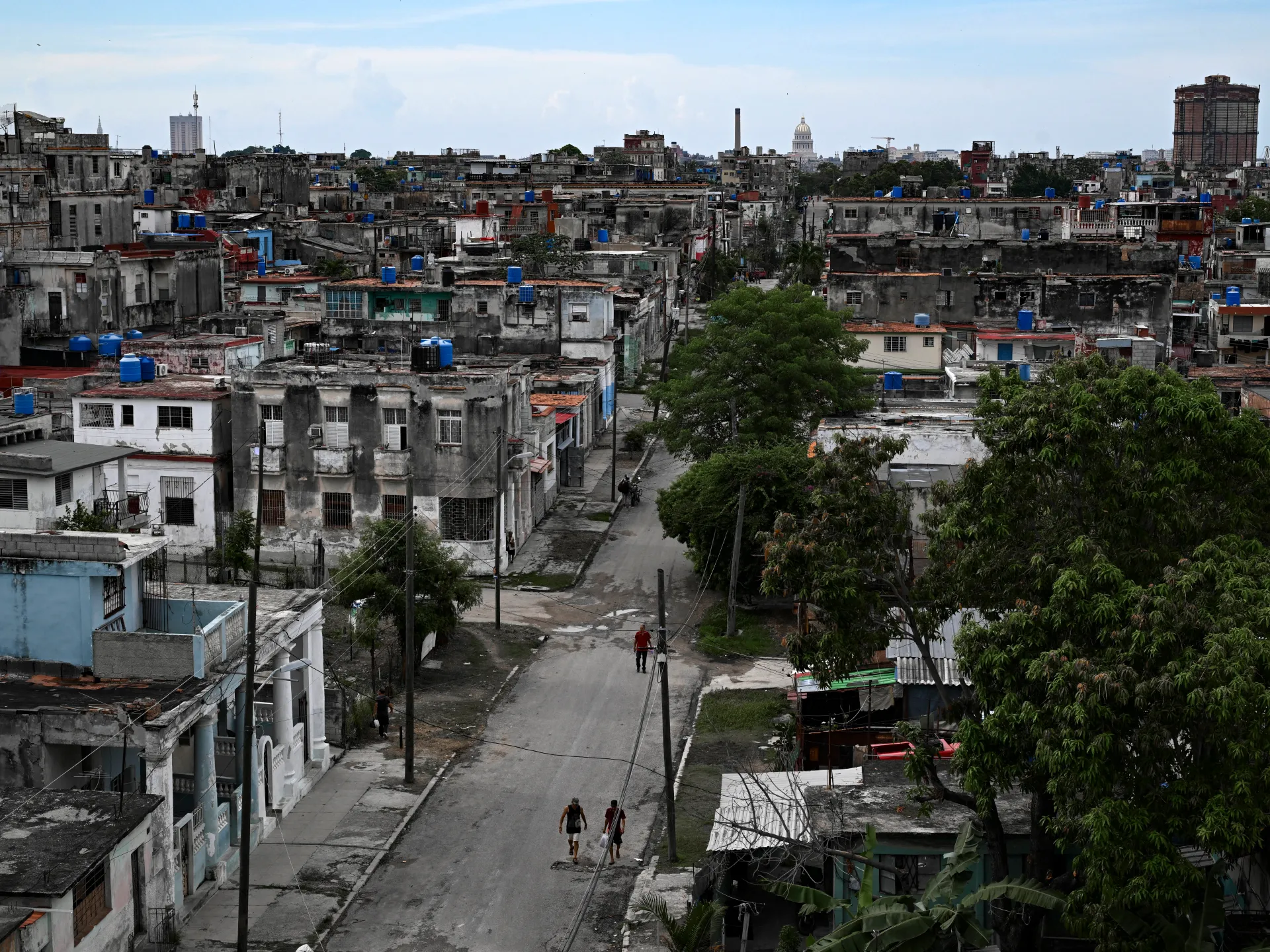
Cuba Condemns US Embargo as 'Ruthless'
During a recent debate at the United Nations General Assembly, Cuba's Minister of Foreign Affairs, Bruno Rodriguez, vehemently denounced the United States' long-standing embargo against the island nation. Rodriguez characterized the policy as a "multi-dimensional, non-conventional warfare" that has persisted for nearly seven decades, asserting that it has grown increasingly severe over the past seven months. He specifically highlighted the embargo's "collective punishment" of the Cuban populace, emphasizing the international community's responsibility to address what he termed a "ruthless crime."
Rodriguez presented figures indicating that the financial impact of the embargo between March 2025 and February 2026 reached a record $8 billion, representing a seven percent increase from the preceding year. He also noted that these statistics do not fully encompass the "extreme impact" of a fuel blockade imposed by the U.S. in February. This measure has exacerbated energy shortages, leading to widespread power outages across Cuba, as the nation's aging power infrastructure struggles to operate without critical fuel supplies. Reports suggest that only one oil tanker from Russia has reached Cuban shores since the imposition of these restrictions, leaving Soviet-era power plants severely hampered.
International Reactions and Diplomatic Tensions
A significant number of global and regional blocs, including nations from Africa and the Caribbean, vocalized their support for Cuba during the UN debate, collectively condemning the U.S. embargo. This aligns with a long-standing pattern at the General Assembly, where, since 1992, a non-binding resolution calling for the lifting of the blockade has been adopted by a substantial majority annually.
However, recent votes suggest a potential shift in this widespread support. Last October, 165 member states voted in favor of the resolution, a decrease from 187 the previous year, with seven nations voting against and a dozen abstaining. The recent vote on whether to even hold the debate further highlighted this potential erosion of support, with 136 in favor, nine against, and 30 abstentions. Notably, traditional allies of Cuba, such as Germany and Canada, were among those abstaining, indicating a more nuanced international perspective on the issue.
In response to Cuba's accusations, U.S. Ambassador Mike Waltz rejected the characterization of an American blockade. From the UN podium, Waltz asserted, "There is no American blockade. The only embargo in Cuba is the guillotine the regime keeps over the heads of its people." This statement underscores the deep ideological divide and differing interpretations of the situation between Washington and Havana.
Lack of Progress in Bilateral Relations and Calls for Reform
Minister Rodriguez acknowledged recent diplomatic discussions between Havana and Washington but stressed a complete lack of progress. He attributed this stagnation to the U.S. approach, suggesting that meaningful advancement is unlikely as long as U.S. officials "treat Cuba as a vanquished or conquered adversary, as a colonial possession." This highlights a fundamental disagreement over the terms and nature of any potential reconciliation.
While many speakers at the UN deplored U.S. policy, some also pointed to the Cuban government's own responsibilities in the nation's current challenges. Stavros Lambrinidis, the European Union's ambassador to the UN, remarked that "The dire situation of the Cuban people is not only due to the embargo." He emphasized the necessity for Cuban authorities to implement "meaningful political and economic reforms," including improvements in human rights. Lambrinidis also criticized Havana's alignment with Moscow in the ongoing conflict in Ukraine, adding another layer of complexity to international perceptions of Cuba.
The contentious exchanges at the UN clearly illustrate the persistent and deep-seated tensions between Havana and Washington. Beyond the energy crisis, Cuba is reportedly facing increasing shortages of essential goods, including food, drinking water, and medicine. The United Nations has issued warnings regarding a potential humanitarian emergency, underscoring the severity of the situation on the ground. The U.S. policy, particularly the oil supply blockade initiated by former President Donald Trump in January, was framed as a pressure campaign aimed at instigating political change and ending six decades of communist rule in Cuba.
Source: Original Article
Related Articles
 world
world
Spectator Displays Israeli Flag During Argentina-Egypt World Cup Match
 world
world
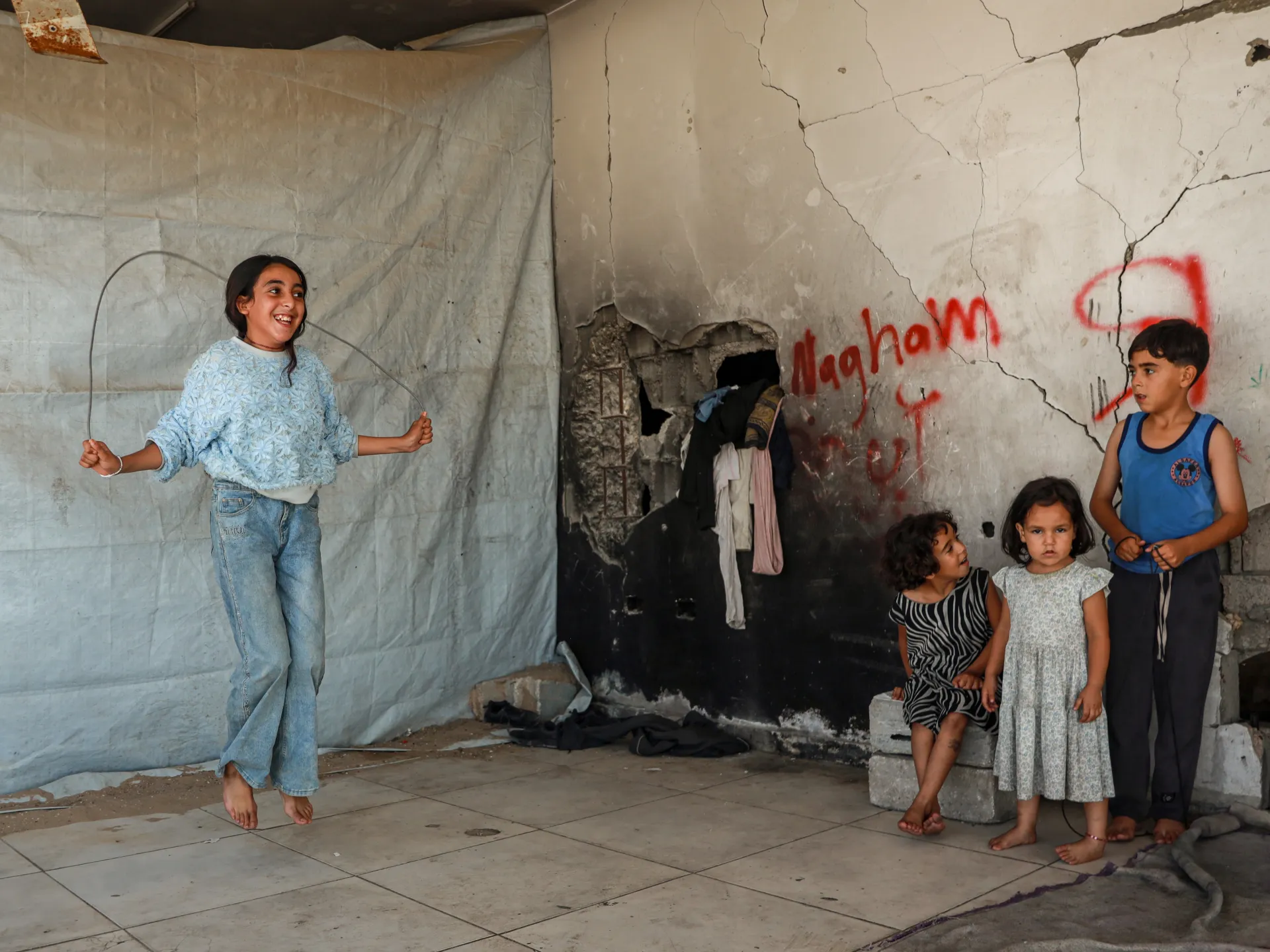
Gaza's Children Face a Summer Devoid of Play Amidst Ongoing Conflict
 world
world
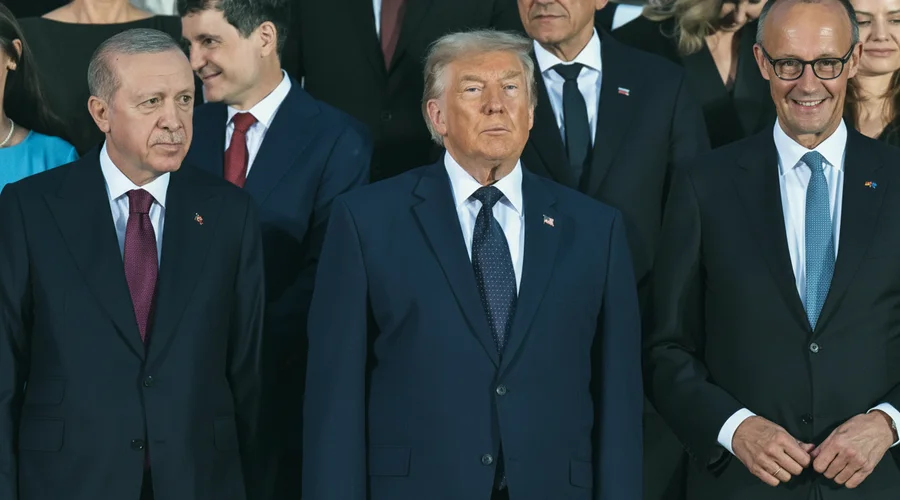
NATO Summit Continues Amidst Geopolitical Tensions and Internal Divisions
 world
world