
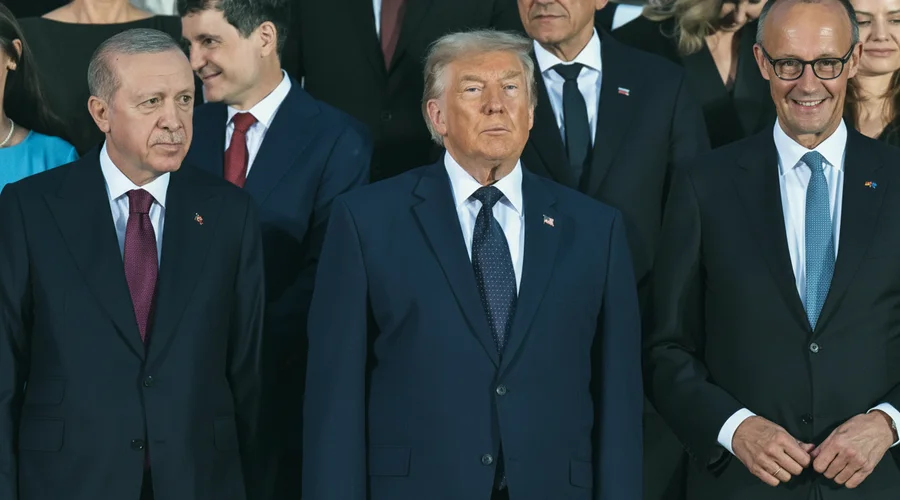
Overview of the NATO Summit in Ankara
The NATO summit in Ankara, Türkiye, has entered its second day, bringing together leaders from member nations to address a range of pressing global security issues. The proceedings have been marked by extensive discussions on defense expenditure, the ongoing conflict in Ukraine, and the complexities surrounding the situation in Iran. These critical topics have set the tone for the summit, highlighting both the collective challenges faced by the alliance and the divergent perspectives among its members.
Key Issues Dominating Discussions
A central theme of the summit revolves around defense spending, a long-standing point of contention within NATO. Member states are under pressure to meet or exceed the alliance's agreed-upon target of allocating at least 2% of their Gross Domestic Product (GDP) to defense. This issue has resurfaced with renewed urgency, particularly in the context of current geopolitical instability. The varying levels of commitment to this target have led to internal debates, with some nations advocating for greater burden-sharing across the alliance.
The protracted conflict in Ukraine continues to be a primary focus. Leaders are deliberating on strategies to provide ongoing support to Ukraine, including military aid, humanitarian assistance, and economic sanctions against Russia. Discussions also encompass the broader implications of the conflict for European security architecture and the alliance's eastward expansion. The summit aims to forge a unified approach to addressing the conflict's complexities and its far-reaching consequences.
Furthermore, the evolving situation in Iran has emerged as a significant agenda item. The implications of Iran's nuclear program, regional influence, and its interactions with global powers are being closely examined. NATO leaders are exploring diplomatic avenues and potential responses to maintain stability in the Middle East, a region with critical strategic importance for many alliance members.
The Role of Member States and Internal Dynamics
The summit has also brought to light the internal dynamics and differing viewpoints among NATO members. While the alliance strives for unity, individual national interests and foreign policy priorities inevitably shape the discussions. Achieving consensus on complex issues like defense spending and responses to international crises requires delicate negotiations and a willingness to compromise.
The varying economic capacities and strategic outlooks of member states contribute to the complexity of decision-making. Some nations, facing domestic economic pressures, may find it challenging to increase defense outlays, while others with more immediate security concerns may advocate for a more robust military posture. These internal debates, while sometimes creating friction, are an inherent part of a democratic alliance comprising diverse sovereign states.
Looking Ahead: Outcomes and Future Directions
As the summit progresses, observers are keenly watching for concrete outcomes and declarations that will define NATO's trajectory in the coming years. Expected results include communiqués outlining common positions on global security threats, commitments to defense spending targets, and renewed pledges of support for Ukraine. The summit's conclusions are anticipated to reflect the alliance's adaptability and its determination to address contemporary security challenges effectively.
Beyond immediate resolutions, the Ankara summit is also an opportunity for leaders to discuss the long-term strategic direction of NATO. This includes adapting to new forms of warfare, such as cyber threats and hybrid attacks, and strengthening partnerships with non-member countries. The alliance's ability to evolve and remain relevant in a rapidly changing international landscape is a key theme underpinning the ongoing deliberations.
The discussions in Ankara underscore the multifaceted nature of global security in the 21st century. NATO's role as a collective defense organization is continually being tested by a combination of conventional and unconventional threats, necessitating ongoing dialogue, strategic adjustments, and a unified approach from its member states to safeguard peace and stability.
Source: Original Article
Related Articles
 world
world
Spectator Displays Israeli Flag During Argentina-Egypt World Cup Match
 world
world
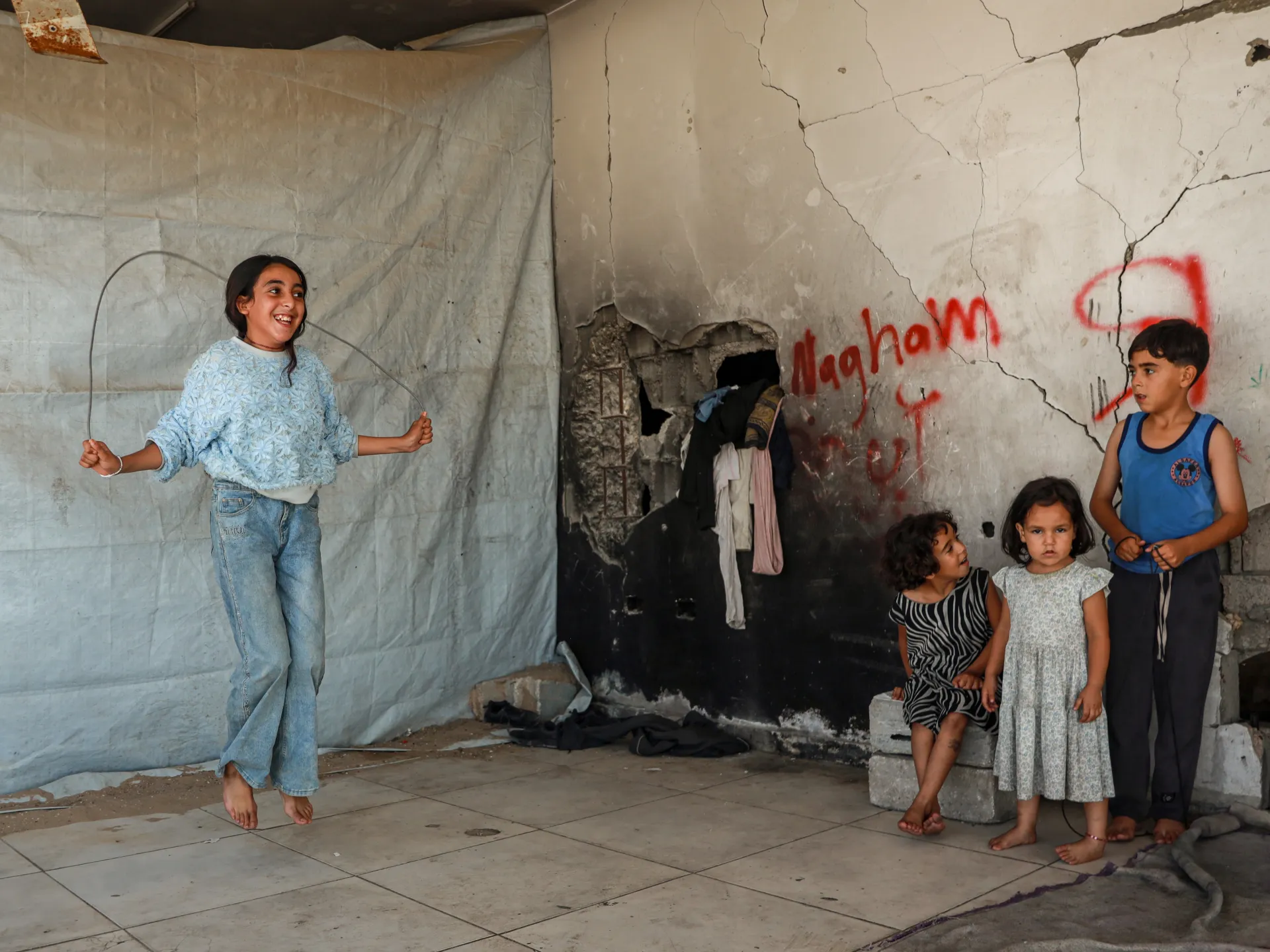
Gaza's Children Face a Summer Devoid of Play Amidst Ongoing Conflict
 world
world
International Debate Intensifies Over US Embargo on Cuba at United Nations
 world
world