
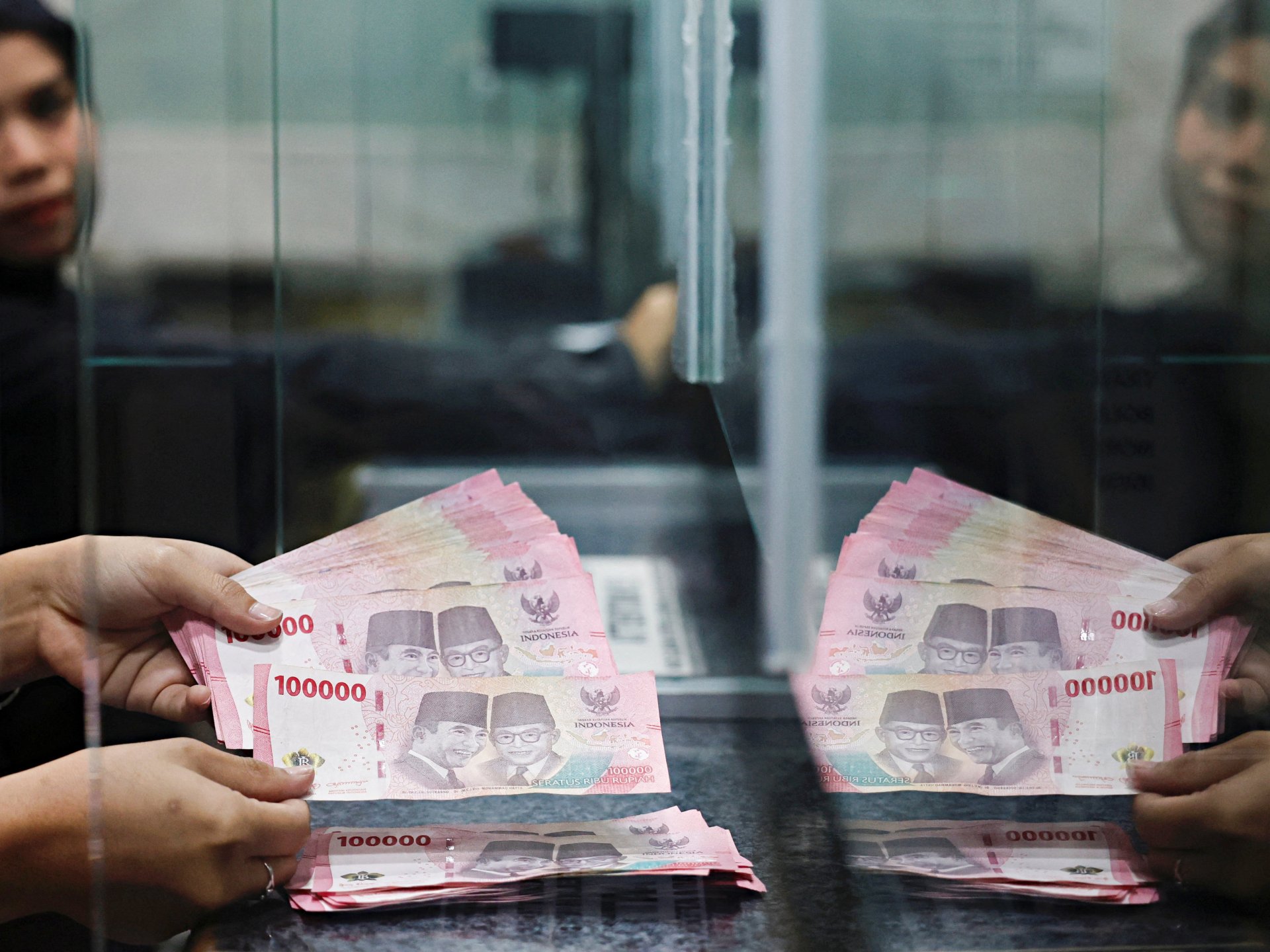
Rupiah's Decline Marks a Significant Economic Challenge
The Indonesian rupiah has recently experienced a notable decline, reaching its lowest point ever against the United States dollar. This significant depreciation in the national currency highlights the economic vulnerabilities currently facing Indonesia and, by extension, other economies within the Southeast Asian region.
Currency fluctuations are a common aspect of global finance, but a record low often signals underlying pressures. For Indonesia, a nation heavily reliant on international trade and investment, the weakening rupiah can have multiple implications, affecting everything from import costs to the national debt servicing capacity.
Global Factors Influencing Regional Economies
The current economic climate for Southeast Asian nations is significantly shaped by a confluence of global events. One of the most prominent factors contributing to the recent instability is the ongoing energy market disruption, particularly exacerbated by geopolitical tensions in the Middle East, such as the conflict involving Iran. These events often lead to increased global oil prices, which can be detrimental to economies that are net importers of energy.
An 'energy shock' typically refers to a sudden and significant increase in the price of energy, especially crude oil. Such shocks can have a ripple effect across the global economy. For developing economies like Indonesia, higher energy costs translate directly into increased operational expenses for industries, higher transportation costs, and ultimately, inflationary pressures on consumer goods. This can erode purchasing power and dampen economic growth.
Impact on Southeast Asian Economies
While the rupiah's fall is specific to Indonesia, the underlying causes, particularly the energy shock, cast a shadow over the entire Southeast Asian economic landscape. Many countries in this region are susceptible to global commodity price swings and shifts in international trade dynamics. An increase in the cost of essential imports, such as oil, can strain national budgets and current account balances.
Moreover, investor sentiment can be impacted by regional instability and currency depreciation. When a major regional economy experiences significant currency weakness, it can sometimes lead to broader investor caution towards other markets in the vicinity, potentially affecting foreign direct investment flows crucial for economic development.
Government and Central Bank Responses
In situations of significant currency depreciation, central banks typically intervene to stabilize the market. This can involve measures such as selling foreign exchange reserves to buy the local currency, or adjusting interest rates to make holding the local currency more attractive. The goal is to restore confidence and prevent a more severe economic downturn.
Governments also play a role through fiscal policies, aiming to mitigate the impact of external shocks on their citizens and businesses. This might include subsidies for essential goods or targeted support for industries most affected by rising costs. The balancing act for policymakers involves addressing immediate economic pressures while also maintaining long-term financial stability.
Looking Ahead: Navigating Global Headwinds
The current record low for the Indonesian rupiah underscores the interconnectedness of the global economy and the significant influence of geopolitical events on national financial health. As Southeast Asian nations continue to navigate these complex global headwinds, their resilience will depend on a combination of robust domestic economic policies, strategic international partnerships, and adaptive responses to evolving global challenges.
Source: Original Article
Related Articles
 economy
Nikkei 225 Reaches Unprecedented Heights Amidst Surging AI Enthusiasm
 economy
Guinea's Bauxite Riches: A Paradox of Abundance Amidst Poverty
 economy
US Clarifies AI Chip Export Restrictions, Including Overseas Chinese Entities
 economy