
Overview of Recent US Export Control Guidance
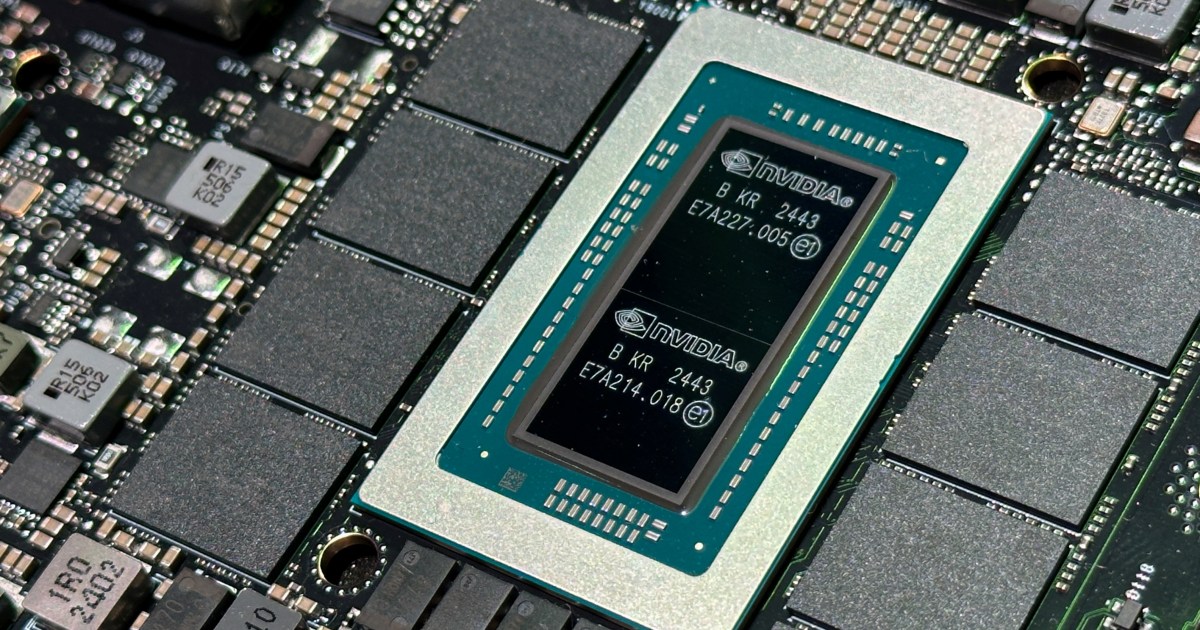
The United States Department of Commerce has provided updated directives regarding its export controls on advanced artificial intelligence (AI) chips. This latest guidance specifically addresses the application of these restrictions to Chinese firms, even when they operate in locations beyond the geographical borders of mainland China. The clarification comes amidst ongoing efforts by the US government to bolster its export control framework and prevent circumvention of its policies.
Rationale Behind the Expanded Scope
The primary motivation for extending these controls to Chinese entities operating globally is to mitigate concerns about potential loopholes within the existing export control regulations. Officials have expressed apprehension that without such a clarification, advanced AI chips could still reach Chinese military programs or other entities deemed a national security risk, by being routed through subsidiaries or affiliated companies located in third countries. This expanded scope is designed to ensure the integrity and effectiveness of the export control regime, preventing unintended transfers of critical technology.
Implications for Global Technology Supply Chains
The updated guidance is expected to have significant implications for global technology supply chains, particularly for manufacturers of advanced semiconductors and the companies that utilize them for AI development. Firms involved in the production and distribution of these high-performance chips will need to carefully assess their compliance measures to ensure they are not inadvertently supplying restricted technology to designated Chinese entities, regardless of their operational base. This could lead to increased scrutiny of customer identities and supply chain partners.
Broader Context of US-China Tech Competition
This development is set against the backdrop of an intensifying technological competition between the United States and China. The US government has consistently articulated concerns about China's advancements in critical technologies, particularly those with potential military applications, such as artificial intelligence. Export controls on advanced semiconductors are a key tool in Washington's strategy to limit Beijing's access to cutting-edge technology that could enhance its military capabilities or contribute to human rights abuses.
Industry Response and Future Outlook
The technology industry is likely to carefully analyze the full ramifications of this updated guidance. Companies that rely on international supply chains and have operations or customers linked to Chinese entities will need to adapt their strategies. While the immediate impact will be on chip manufacturers and their direct customers, the broader effect could ripple through various sectors involved in AI research, development, and deployment. The situation underscores the dynamic nature of international trade regulations and their profound influence on global technological innovation and geopolitical relations.
Source: Al Jazeera
Related Articles
 economy
Guinea's Bauxite Riches: A Paradox of Abundance Amidst Poverty
 economy
Former Federal Reserve Chair Powell Discusses Central Bank Independence Amidst Political Scrutiny
 economy
Canada Seeks Economic Diversification Amidst USMCA Review and Trade Tensions
 economy