
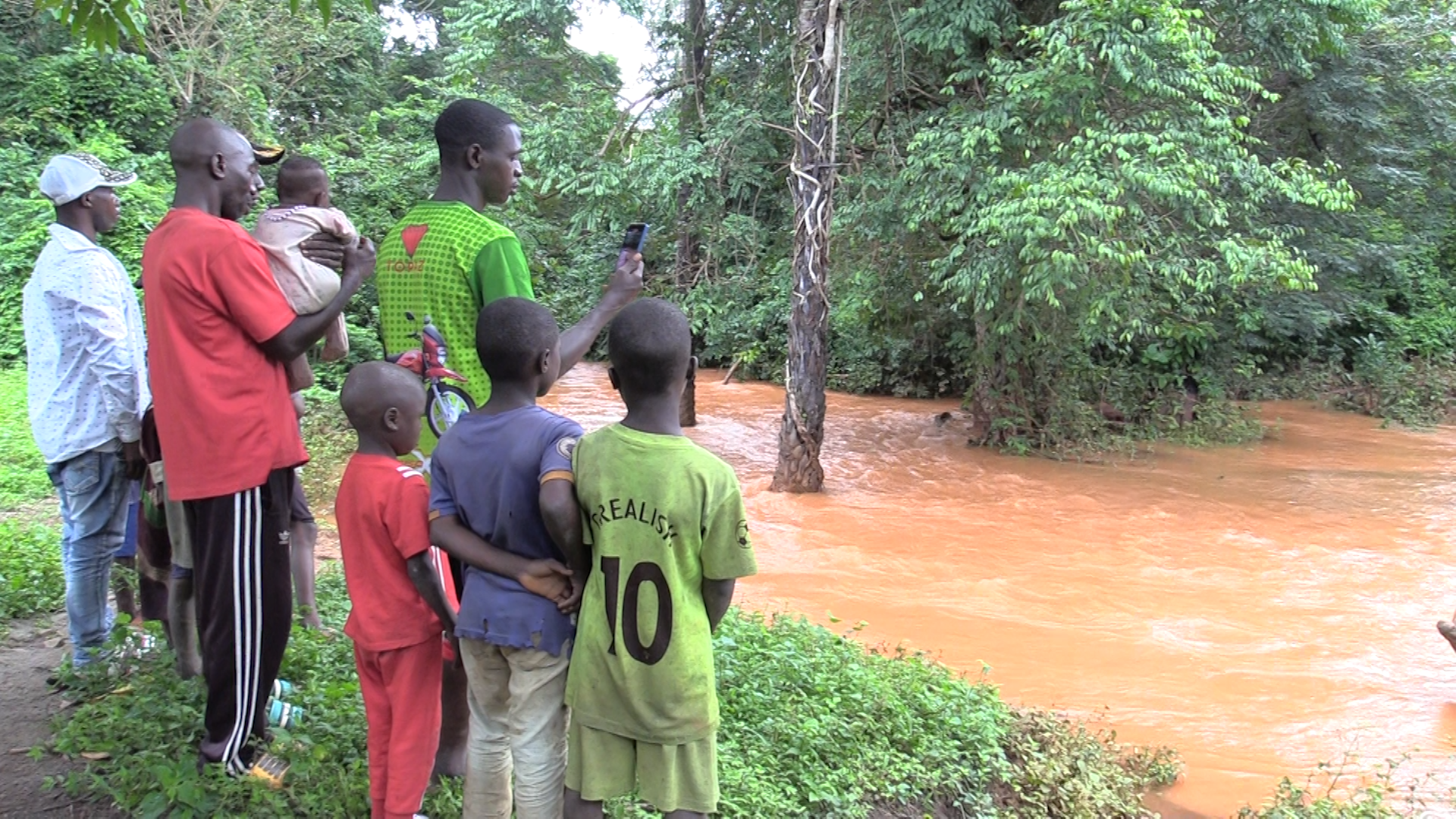
Guinea's Mineral Wealth and Socio-Economic Disparities
Guinea, a nation on West Africa’s coast, is recognized globally for its substantial bauxite deposits, an essential raw material for aluminum production. These vast reserves position Guinea as a key player in the international aluminum supply chain. However, a stark contrast exists between the country's immense mineral wealth and the persistent socio-economic challenges faced by its populace. Despite the significant revenue streams generated from bauxite extraction, many Guinean citizens continue to live in poverty, prompting scrutiny into the equitable distribution of these resources.
The Global Significance of Guinean Bauxite
Bauxite from Guinea is critical for the global aluminum industry. Aluminum is a versatile metal used across numerous sectors, including construction, automotive, aerospace, and packaging. The increasing global demand for aluminum, driven by industrial expansion and technological advancements, places Guinea’s bauxite at the forefront of international commodity markets. Major international mining companies operate in the country, investing substantial capital in large-scale extraction projects to meet this demand.
Local Communities and the Impact of Mining
For generations, many Guinean communities, particularly those in bauxite-rich regions, have relied on agriculture and traditional livelihoods for sustenance. The expansion of mining operations has brought about significant transformations in these areas. While mining projects often promise employment opportunities and infrastructure development, they also frequently lead to the displacement of communities, loss of arable land, and environmental degradation. Concerns are often raised regarding the compensation mechanisms for affected populations and the long-term sustainability of their livelihoods once traditional practices are disrupted.
“Before, the land sustained us. We grew our food, raised our livestock, and lived in harmony with our environment. Now, the land is dug up, and our way of life is gone,” lamented a local farmer from a mining-affected village, highlighting the profound shift in their existence.
Economic Growth Versus Human Development
While the mining sector undeniably contributes to Guinea's Gross Domestic Product (GDP) and government revenues, the direct benefits often appear to bypass a significant portion of the population. Critics argue that the wealth generated is not adequately reinvested into essential public services such such as education, healthcare, and basic infrastructure in the local communities most impacted by mining activities. This disparity fuels public frustration and raises questions about the effectiveness of existing frameworks for resource management and revenue sharing.
Challenges in Governance and Transparency
Ensuring that the benefits of natural resources are shared equitably requires robust governance, transparency, and accountability. Guinea has faced challenges in these areas, with concerns frequently voiced about corruption, weak regulatory oversight, and a lack of transparency in mining contracts. These issues can hinder the country's ability to maximize its resource potential for the broader welfare of its citizens. International organizations and civil society groups frequently advocate for stronger institutional frameworks to ensure that mining operations adhere to best practices in environmental protection, social responsibility, and ethical governance.
The Path Forward: Sustainable Development and Equitable Distribution
Addressing the paradox of rich resources and widespread poverty in Guinea necessitates a multi-faceted approach. This includes strengthening legal and regulatory frameworks to ensure fair mining agreements, enhancing transparency in revenue management, and promoting local content policies that prioritize Guinean businesses and labor. Furthermore, investing a significant portion of mining revenues into diversifying the economy, supporting agricultural development, and improving social services can help create a more resilient and equitable future for all Guineans. The goal is to transform the country's bauxite wealth into a catalyst for sustainable human development rather than a source of persistent disparity.
Source: Al Jazeera
Related Articles
 economy
US Clarifies AI Chip Export Restrictions, Including Overseas Chinese Entities
 economy
Former Federal Reserve Chair Powell Discusses Central Bank Independence Amidst Political Scrutiny
 economy
Canada Seeks Economic Diversification Amidst USMCA Review and Trade Tensions
 economy