Overview of the Decision
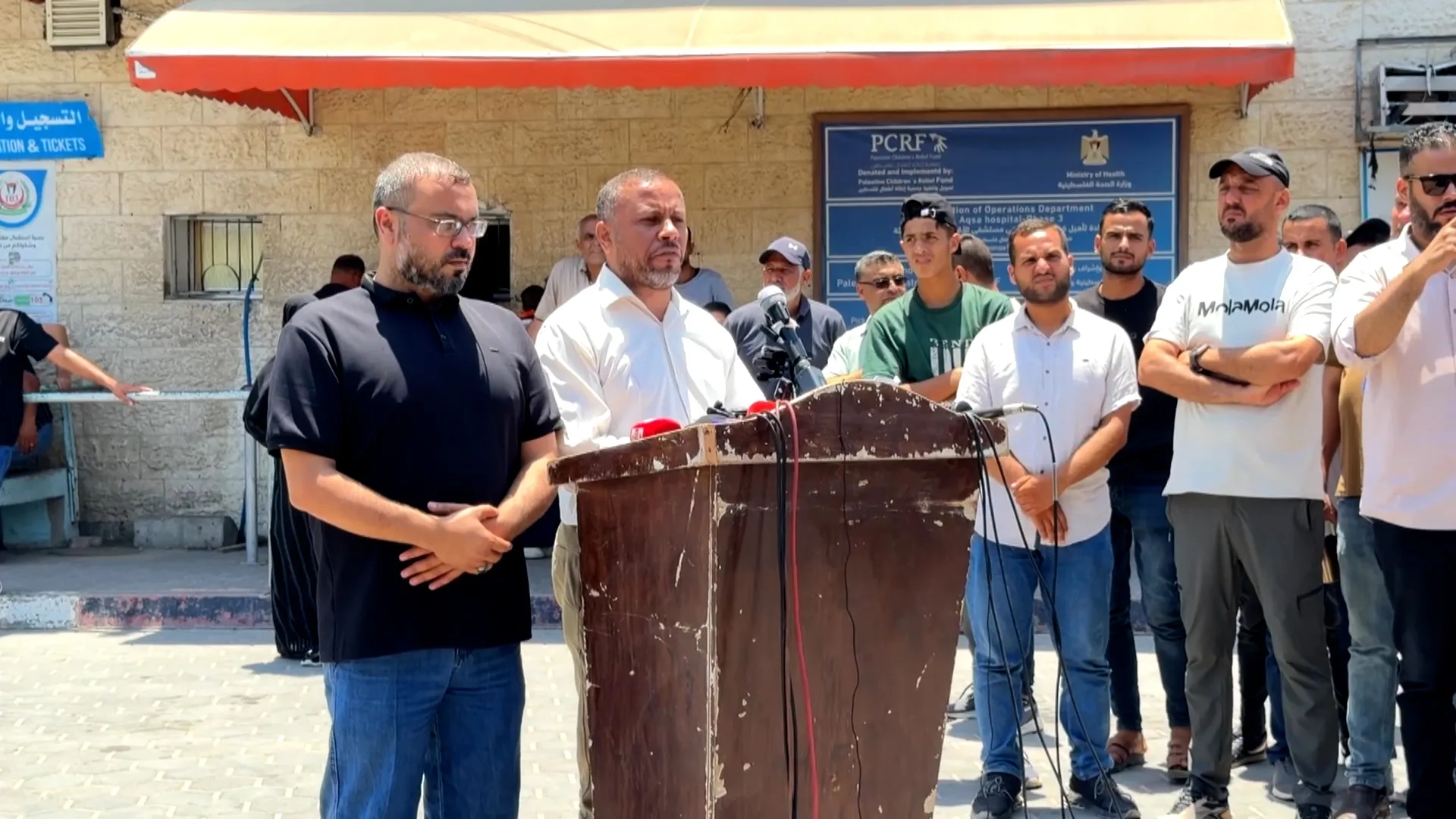
Hamas, the Palestinian Sunni-Islamist fundamentalist organization, has declared the dissolution of its civilian administrative framework in the Gaza Strip. This significant development marks the end of an almost 20-year period during which Hamas governed the enclave. The decision, officially announced on July 7, 2026, includes the resignation of several key officials and the termination of the emergency committee that had overseen governmental functions.
The move comes amidst a complex and evolving political landscape in the Palestinian territories, particularly in Gaza, which has been under an Israeli and Egyptian blockade since 2007. Hamas's governance has been characterized by significant international isolation and recurrent conflicts with Israel, impacting the daily lives of over two million residents in the densely populated strip.
Historical Context of Hamas's Rule in Gaza
Hamas assumed effective control of the Gaza Strip in June 2007, following a violent conflict with Fatah, the dominant faction of the Palestinian Authority (PA). This internal struggle, often referred to as the Battle of Gaza, resulted in the division of Palestinian governance, with Hamas controlling Gaza and the PA, led by President Mahmoud Abbas, retaining authority in parts of the West Bank.
Prior to this, Hamas had achieved a surprising victory in the 2006 Palestinian legislative elections, securing a majority of seats. This electoral success was not recognized by many international powers, leading to an immediate political and economic boycott of the Hamas-led government. The subsequent internal conflict cemented Hamas's de facto rule in Gaza, establishing its own civilian administration, security forces, and public services.
Over the past two decades, Hamas's administration in Gaza faced numerous challenges. These included managing a devastated economy, rebuilding infrastructure repeatedly damaged by military confrontations, and providing essential services such as healthcare, education, and utilities to a population living under severe restrictions. The blockade imposed by Israel and Egypt, citing security concerns, has significantly hampered economic development and humanitarian efforts, leading to high unemployment rates and widespread poverty.
Implications of the Dissolution
The dissolution of Hamas's civilian governing body raises critical questions about the future of governance in the Gaza Strip. While the announcement specifically targets the civilian administrative structures, it remains unclear how security and military aspects of Hamas's operations will be affected, if at all. Hamas's armed wing, the Izz ad-Din al-Qassam Brigades, operates independently of the civilian administration, though both fall under the broader Hamas movement.
One potential implication could be a restructuring of Hamas's engagement with other Palestinian factions or international bodies. The move might be interpreted as an attempt to streamline its operations, adapt to new political realities, or even signal a willingness to engage in new forms of governance. However, the precise motivations behind this decision have not been fully elaborated by Hamas officials.
Analysts suggest that this could be a strategic maneuver aimed at alleviating pressure, facilitating reconciliation efforts with Fatah, or potentially creating a vacuum that could be filled by a technocratic government or a unified Palestinian administration. However, past attempts at Palestinian reconciliation have largely failed to produce lasting results, with deep-seated mistrust and ideological differences persisting between Hamas and Fatah.
International and Regional Reactions
The international community has long called for a unified Palestinian government that adheres to international agreements and renounces violence. The dissolution of Hamas's civilian government could be viewed by some as a step towards addressing this demand, though the actual impact will depend on the subsequent actions taken by Hamas and other Palestinian stakeholders.
Regional powers, particularly Egypt, which plays a significant mediating role between Israeli and Palestinian factions, will likely be closely observing these developments. The stability of Gaza is a critical concern for neighboring countries, given its potential to impact regional security.
The humanitarian situation in Gaza remains a pressing issue. Any changes in governance will inevitably affect the delivery of humanitarian aid and the functioning of essential services. International aid organizations will be keen to understand how this administrative shift will impact their ability to operate and provide assistance to the vulnerable population.
Looking Ahead
The announcement from Hamas marks a pivotal moment in the political trajectory of the Gaza Strip. The dissolution of its civilian governing body after nearly two decades signals a potential shift in strategy, though the exact nature and consequences of this change are yet to unfold. The coming months will likely reveal whether this decision paves the way for new forms of governance, renewed reconciliation efforts among Palestinian factions, or a different set of challenges for the beleaguered enclave.
The future of Gaza's administration will undoubtedly remain a central point of discussion among Palestinian leaders, regional actors, and the international community, all seeking a path towards stability and improved conditions for its residents.
Source: Original Article