
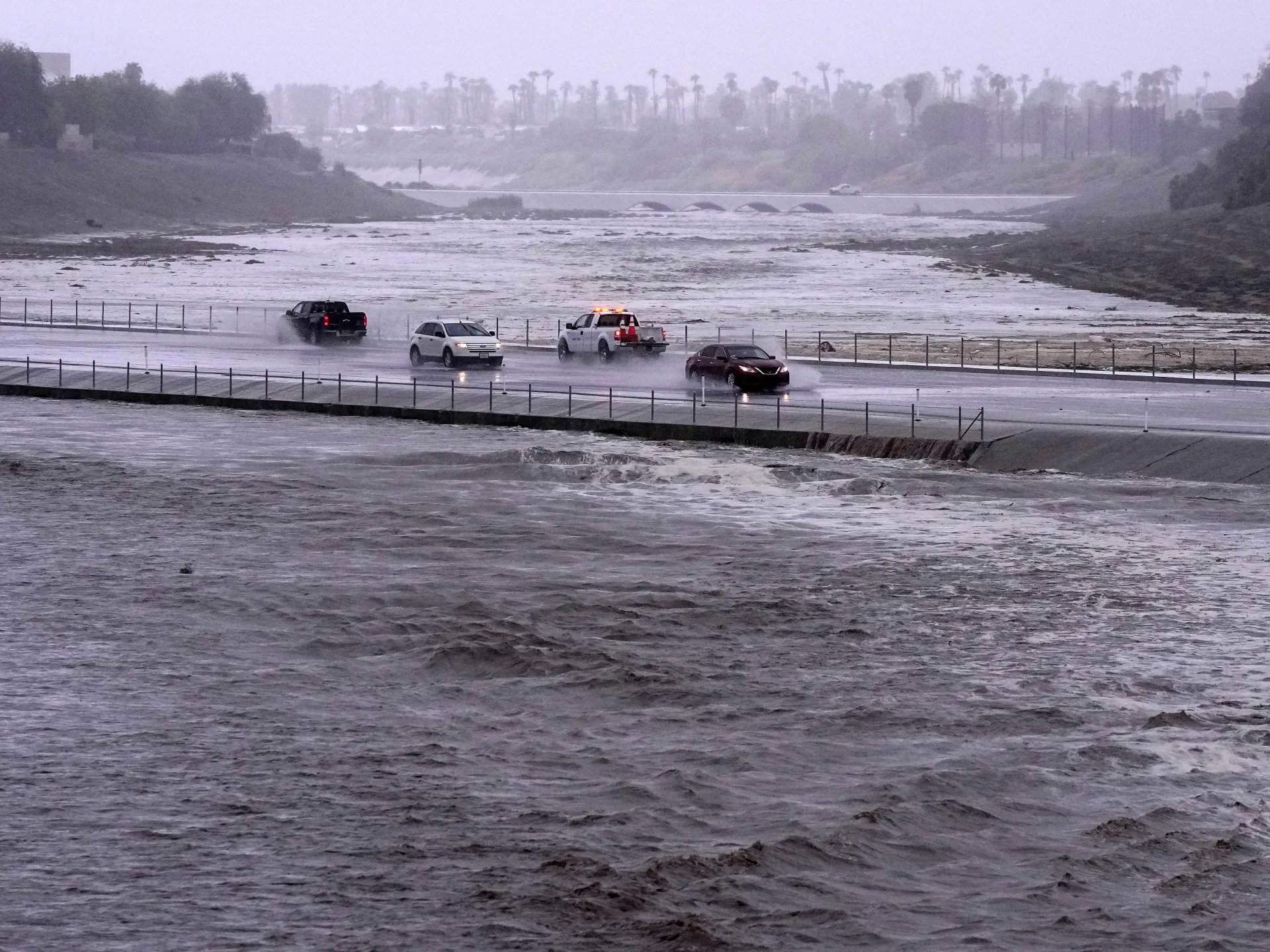
Anticipating Heightened Weather Extremes
The United Nations' meteorological body has urged governments and humanitarian organizations to prepare for a surge in extreme weather phenomena, including heatwaves, periods of drought, and intense rainfall, as the El Niño weather pattern is set to strengthen. The World Meteorological Organization (WMO) confirmed in a recent statement that El Niño conditions are already active and are projected to intensify rapidly within the coming months, specifically between July and September.
El Niño, a naturally occurring climatic event, is characterized by the warming of surface temperatures across the central and eastern equatorial Pacific Ocean. This oceanic warming subsequently triggers significant alterations in global wind patterns, atmospheric pressure, and precipitation distribution. These events typically manifest every two to seven years and usually persist for a duration of nine to twelve months. While its effects are widespread, not all regions across the globe experience its direct impact.
The WMO's Secretary-General, Celeste Saulo, emphasized that the current El Niño conditions are progressing as predicted by their forecasts and are expected to evolve into a strong event. Saulo highlighted that this intensification will elevate the likelihood of droughts and heavy rainfall, alongside an increased risk of heatwaves on land and marine heatwaves in various parts of the world. She underscored the critical importance of advanced seasonal forecasts and early warning systems in safeguarding lives and mitigating the economic and social repercussions on communities.
Understanding El Niño's Mechanisms and Global Reach
The El Niño-Southern Oscillation (ENSO) is a complex climate phenomenon that involves a cyclical shift between El Niño and its counterpart, La Niña, with neutral conditions existing in between these two phases. La Niña, conversely, is associated with cooler-than-average sea surface temperatures in the equatorial Pacific. Even during periods of neutral ENSO, instances of extreme weather can still occur, demonstrating the intricate nature of global climate systems.
Historically, El Niño events have been linked to significant global temperature anomalies. For instance, the last major El Niño episode played a role in making 2023 the second warmest year on record. Furthermore, it contributed to 2024 registering as the warmest year ever recorded, with temperatures approximately 1.55 degrees Celsius (2.79 degrees Fahrenheit) above the pre-industrial average observed between 1850 and 1900.
Preparedness and Proactive Measures
In response to the impending intensification, the UN agency has activated its climate information services and early warning systems. These measures are designed to assist governments and humanitarian agencies in formulating comprehensive support plans for agricultural communities and other vulnerable populations. The goal is to facilitate proactive strategies that can help mitigate the adverse effects of the anticipated extreme weather. This includes preparing for potential agricultural losses, ensuring access to water resources, and setting up emergency response frameworks.
The WMO's warning comes shortly after it reported that global ocean temperatures reached an unprecedented high in June, a development partly attributed to the nascent El Niño. This record-breaking oceanic warmth adds another layer of concern to the upcoming weather patterns, as warmer oceans can contribute to more intense storms and affect marine ecosystems profoundly. The combination of sustained high ocean temperatures and a strengthening El Niño creates a scenario where the potential for widespread and severe weather events is considerably elevated.
Governments, disaster management agencies, and international aid organizations are now tasked with utilizing these early warnings to implement effective preparedness and response strategies. This proactive approach is crucial for minimizing the human and economic costs associated with increasingly frequent and intense weather extremes driven by natural climate phenomena like El Niño, which are often exacerbated by long-term climate change trends.
Source: Original Article
Related Articles
 world
world
Internal Divisions Emerge as Catholic Faction Ordains Bishops Against Vatican Directives
 world
world
Reports Emerge of US Pilot Fatality Amidst Papua Conflict
 world
world
Iran Prepares for Extensive Funeral Rites for Late Supreme Leader Ali Khamenei
 world
world