
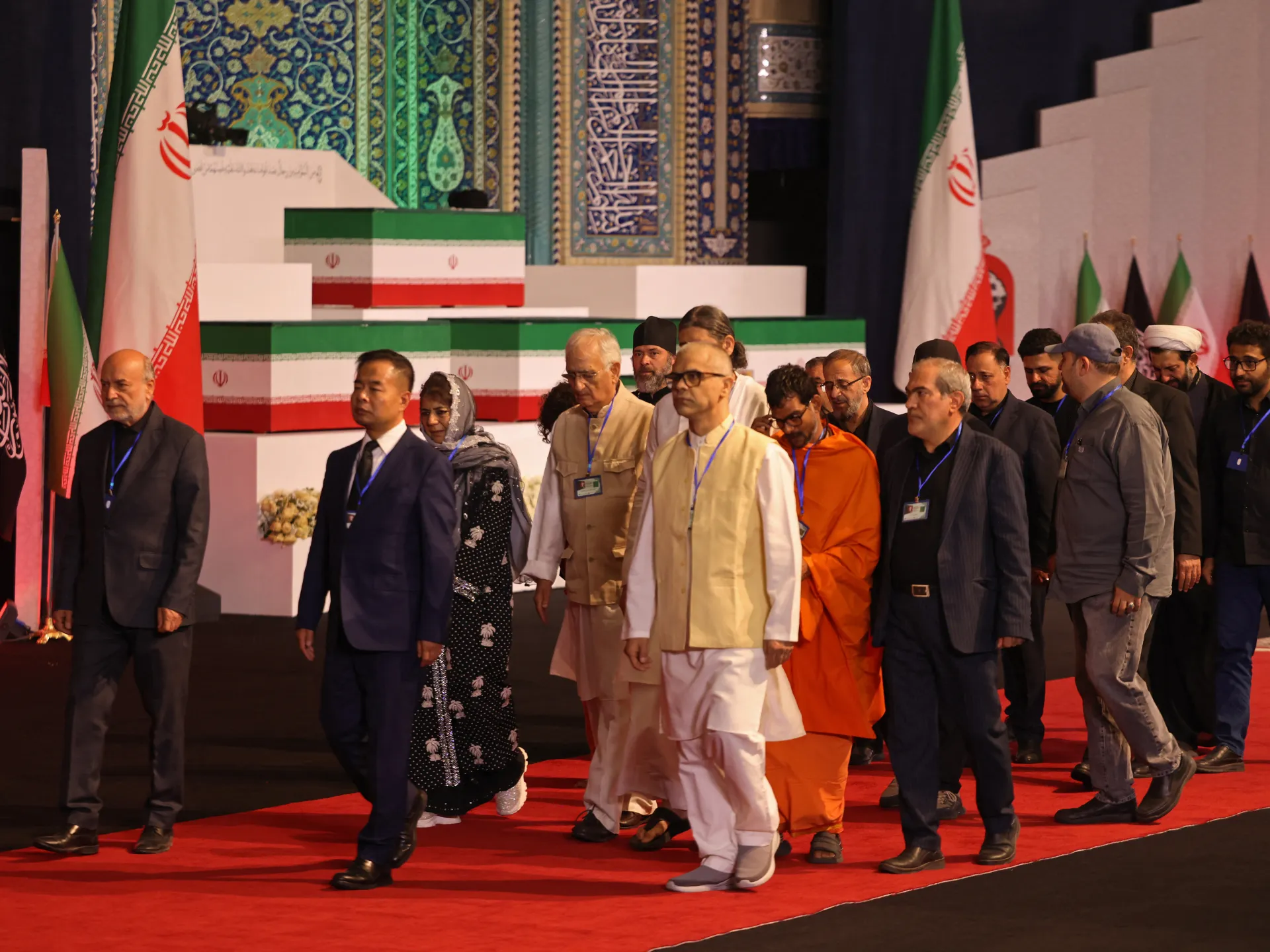
Funeral Preparations and Schedule
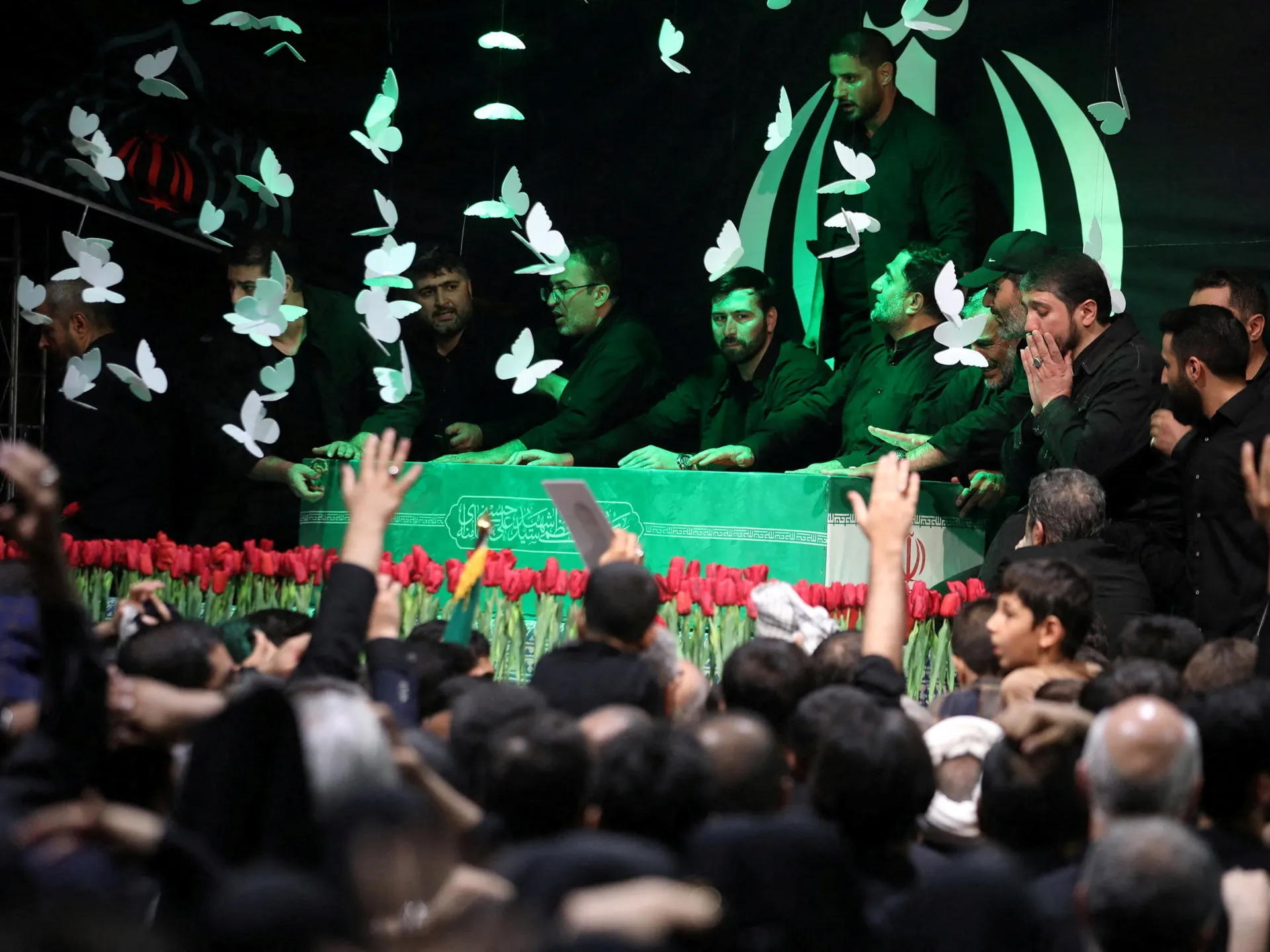
Iran is preparing to host a significant number of international dignitaries for the state funeral of its former Supreme Leader, Ayatollah Ali Khamenei. According to Iranian state-linked broadcaster IRIB, officials and representatives from more than 100 countries are expected to attend the ceremonies, which are set to commence on Friday. Khamenei, who was 86, passed away on February 28 following a joint United States-Israeli airstrike on his compound, an event that also marked the initial day of what has been termed the US-Israel war on Iran. While his burial was initially planned for March, it was postponed due to the ongoing conflict.
The commemoration will unfold over seven days, beginning in Tehran, with religious observances scheduled across various cities in both Iran and Iraq. The primary event for foreign leaders is slated for Friday. Public ceremonies will continue in Tehran on Saturday and Sunday, during which Khamenei's coffin, accompanied by several family members, will be displayed at the Grand Mosalla, one of Iran's largest prayer complexes, allowing for public viewing.
Mid-week, on Monday and Tuesday, funeral processions are scheduled to move southward toward Qom, a significant religious city in Iran. The itinerary then extends to Iraq, with an official reception planned at Najaf International Airport on Wednesday. This will be followed by public processions in the Iraqi cities of Najaf and Karbala, as confirmed by Iranian and Iraqi authorities. The body will subsequently return to Iran for the final burial ceremony, which will take place at the shrine of Imam Reza in Mashhad, Khamenei's birthplace, on the following Friday.
International Representation at the Funeral
A number of countries have confirmed the attendance of their heads of state or government at the funeral ceremonies:
- Pakistan: Prime Minister Shehbaz Sharif is scheduled to attend, as announced by Pakistan's Ministry of Foreign Affairs. Pakistan has played a pivotal role in diplomatic efforts between the US and Iran, including facilitating a ceasefire in April and a memorandum of understanding in June, which is now forming the basis for broader peace negotiations.
- Tajikistan: President Emomali Rahmon will also be present.
- Armenia: Prime Minister Nikol Pashinyan will represent his nation.
- Georgia: President Mikheil Kavelashvili has confirmed his attendance.
Other nations are dispatching senior government officials:
- Turkiye: Vice President Cevdet Yilmaz will attend, as confirmed by Ankara.
- India: India will send a delegation comprising its deputy foreign minister and a state governor. Governor of Bihar, Syed Ata Hasnain, and Deputy Foreign Minister Pabitra Margherita are expected to arrive in Iran on Friday. Hasnain, a former lieutenant general, is noted as the most senior Shia official in public office in India. The delegation will also include opposition leaders Salman Khurshid, a former foreign minister, and Mehbooba Mufti.
- China: Senior lawmaker He Wei, a vice chairperson of the Standing Committee of the National People's Congress, will represent China, as announced by the Chinese Ministry of Foreign Affairs.
- Russia: The Kremlin confirmed that Dmitry Medvedev, Deputy Chairman of the Russian Security Council and former president and prime minister, will attend the ceremony on Friday.
- Afghanistan: The Iranian Ministry of Foreign Affairs confirmed that Amir Khan Muttaqi, the Taliban government's Foreign Minister, traveled to Tehran for the funeral. Afghan media also reported the anticipated attendance of Abdul Ghani Baradar, the first deputy prime minister for economic affairs.
- Bangladesh: According to Bangladeshi media, Parliament Speaker Hafizuddin Ahmed is scheduled to attend.
Security Concerns and Scale of the Event
The funeral proceedings are anticipated to be among the largest public commemorations in contemporary history, potentially exceeding the scale and attendance of the 1989 funeral of former Iranian Supreme Leader Ayatollah Ruhollah Khomeini, which reportedly attracted approximately 10 million mourners.
Notably, Mojtaba Khamenei, the current supreme leader and son of the deceased, will not be attending the funeral. His representative to India cited security concerns, specifically referencing a recent threat from Israel to assassinate Mojtaba Khamenei, as the reason for his absence.
Amidst these preparations, an Iranian military commander issued a stern warning to the United States and Israel against any potential aggression towards Iran. Ali Abdollahi, commander of the Khatam al-Anbiya Central Headquarters, stated that Iran's armed forces would deliver a harsh retaliation to any threat or aggression against the country, as reported by state media. This warning underscores the heightened regional tensions surrounding the funeral and the circumstances of the former leader's death.
Source: Iran’s Khamenei funeral: Which world leaders are attending?
Related Articles
 world
world
Internal Divisions Emerge as Catholic Faction Ordains Bishops Against Vatican Directives
 world
world
Reports Emerge of US Pilot Fatality Amidst Papua Conflict
 world
world
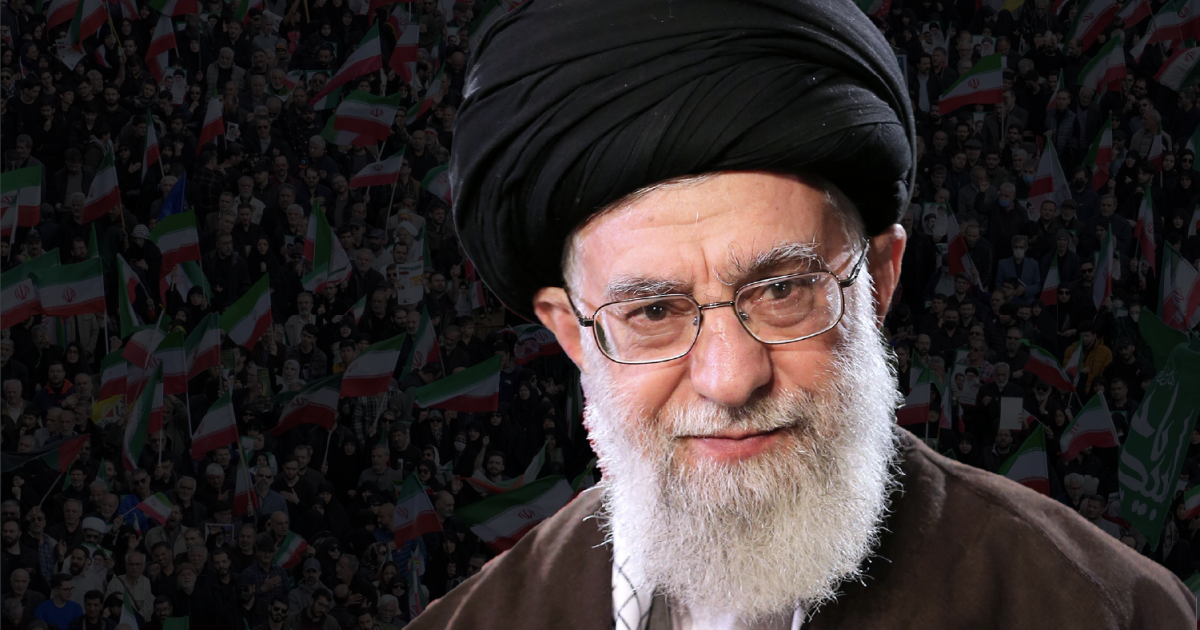
Iran Prepares for Extensive Funeral Rites for Late Supreme Leader Ali Khamenei
 world
world