
Economic Hardship Impacts Health Decisions in Gaza
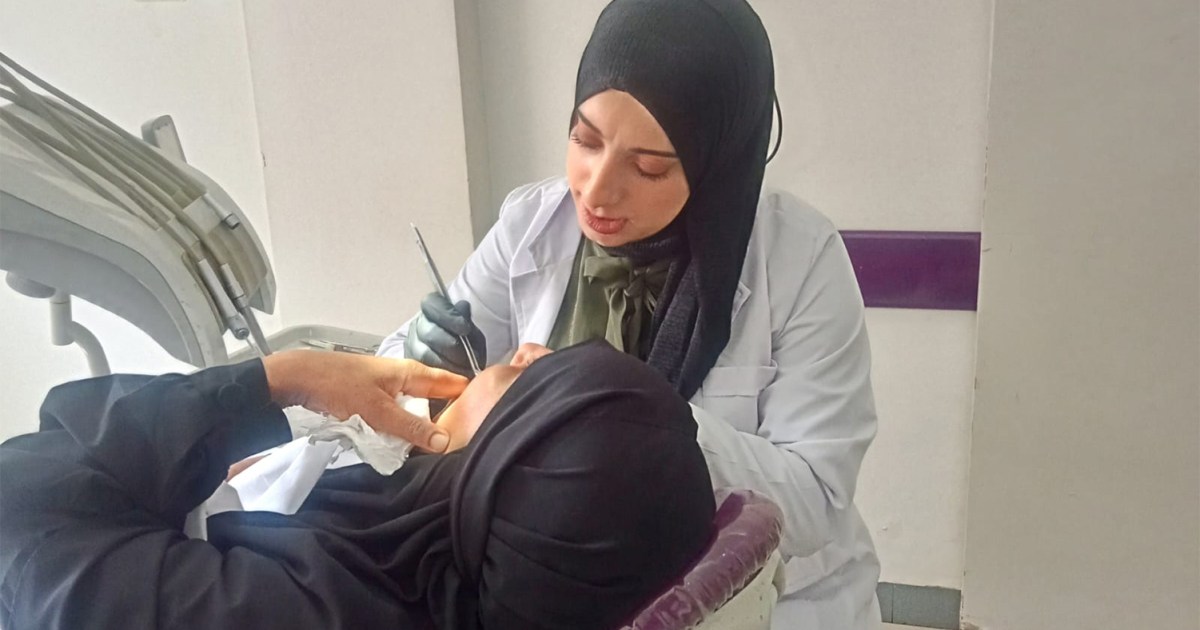
The ongoing economic challenges in the Gaza Strip are compelling many Palestinian families to make difficult choices regarding their healthcare, often at the expense of their well-being. A growing number of residents are opting to forgo expensive medical procedures, with dental care being a prominent example, in favor of allocating limited resources to fundamental needs such as food and housing.
The Dilemma: Dental Health vs. Daily Sustenance
For parents in Gaza, the decision between addressing a child's dental pain and providing a meal for the family has become a harsh reality. The cost of dental treatments, ranging from routine fillings to more complex procedures, can be prohibitive for households already struggling with high unemployment rates and a fragile economy. This financial strain forces many to delay or completely abandon necessary medical interventions, leading to a deterioration of oral health that can have broader implications for overall well-being.
The economic landscape in Gaza has been severely impacted by years of blockade and various conflicts, which have crippled industries and limited access to essential goods and services. The average income remains low, and the cost of living, including healthcare services and medications, continues to rise. This disparity creates an insurmountable barrier for many families when faced with an unexpected medical expense.
"We see many cases where parents bring their children in with severe dental issues, but when they hear the cost of treatment, they leave without it," explains Dr. Ahmed Khalil, a dentist in Gaza City. "It's not that they don't care; it's that they genuinely cannot afford it. They have to choose between a tooth extraction and putting food on the table for their other children."
Long-Term Health Consequences
The deferment of dental care is not without significant health repercussions. Untreated cavities can lead to severe infections, chronic pain, and even systemic health problems. For children, poor oral health can affect their ability to eat, speak, and concentrate in school, impacting their development and quality of life. Adults may experience similar challenges, potentially leading to lost workdays and a diminished capacity to earn an income, further exacerbating their economic woes.
Moreover, the lack of preventative dental care, such as regular check-ups and cleanings, means that minor issues often escalate into major problems requiring more extensive and expensive treatments down the line. This creates a vicious cycle where initial affordability issues lead to more complex and costly problems that are even harder to address.
Seeking Alternatives and Aid
In response to these challenges, some non-governmental organizations and international aid groups provide limited free or subsidized dental services. However, the demand for these services far outstrips the available capacity, leaving a significant portion of the population without access to affordable care. Families often explore traditional remedies or over-the-counter pain relievers to manage symptoms, but these solutions offer only temporary relief and do not address the underlying dental issues.
The situation underscores a broader humanitarian concern in the Gaza Strip, where access to basic services, including healthcare, is severely constrained by economic and political factors. Addressing the dental dilemma requires not only increased medical aid but also sustainable economic development that can empower families to meet their fundamental needs without compromising their health.
Source: Al Jazeera
Related Articles
 economy
Guinea's Bauxite Riches: A Paradox of Abundance Amidst Poverty
 economy
US Clarifies AI Chip Export Restrictions, Including Overseas Chinese Entities
 economy
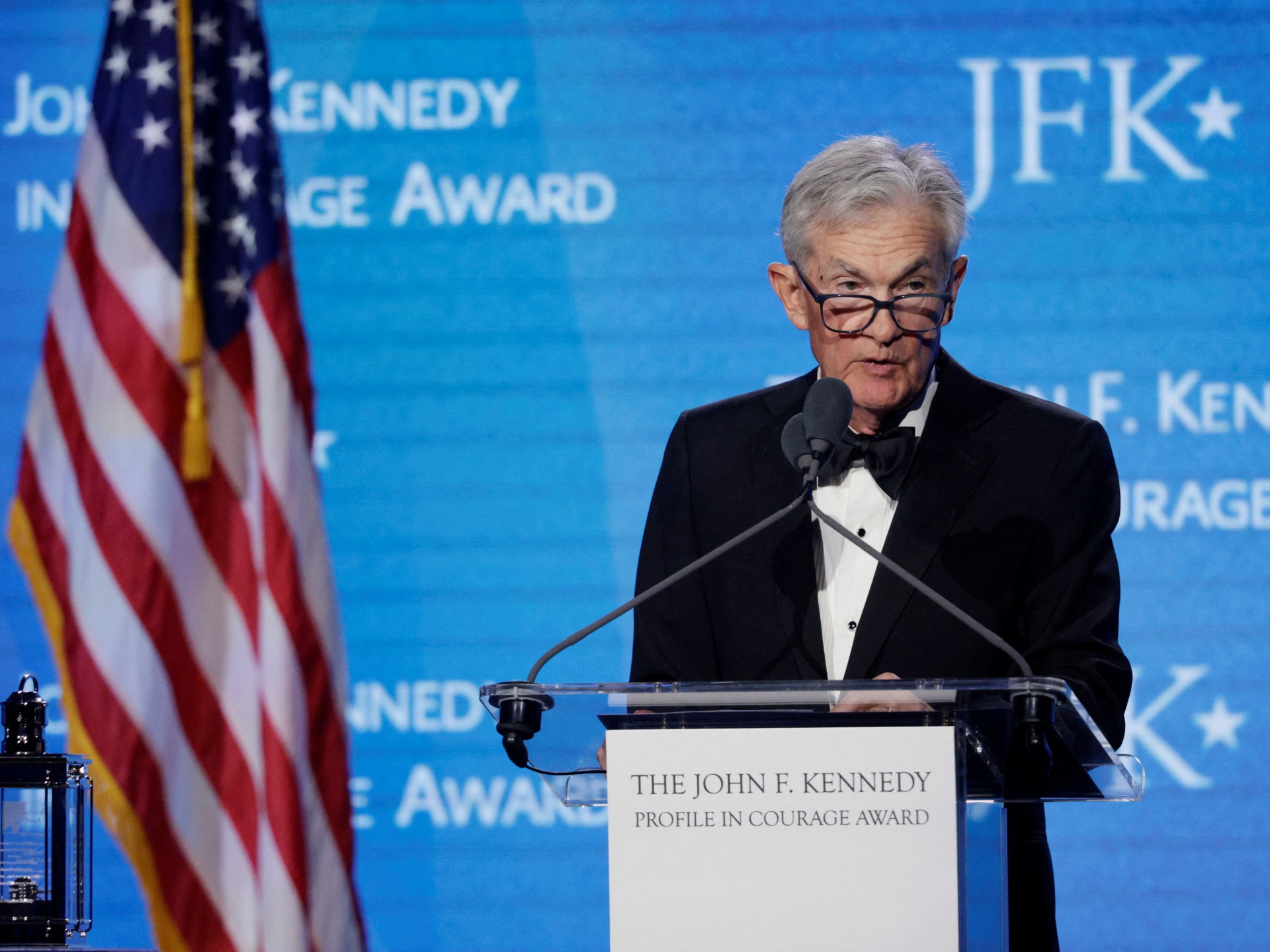
Former Federal Reserve Chair Powell Discusses Central Bank Independence Amidst Political Scrutiny
 economy