Introduction to the G7 Summit
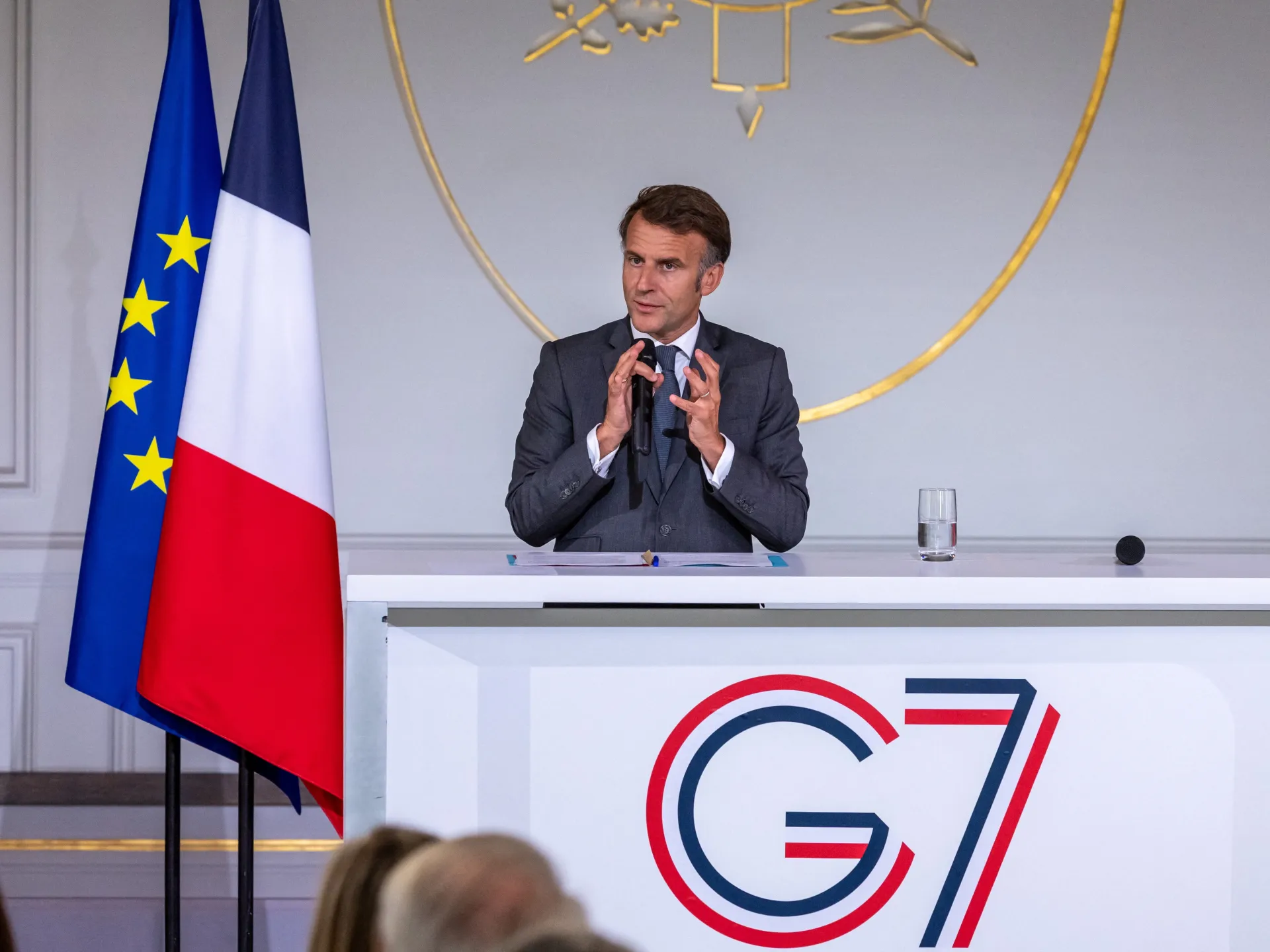
The Group of Seven (G7) nations are preparing to gather in Evian-les-Bains, France, for their annual summit. Hosted by France, which currently holds the rotating presidency, the meeting is set to address a range of critical international issues. These include the ongoing conflict in Ukraine, the complex relationship between Iran and the United States, and broader global economic instability. The summit provides a platform for leaders from Canada, France, Germany, Italy, Japan, the United Kingdom, and the United States, alongside representatives from the European Union, to engage in high-level discussions aimed at finding collaborative solutions to these challenges.
The timing of this year's summit is particularly significant, occurring amidst persistent geopolitical tensions and economic uncertainties. The war in Ukraine continues to dominate international discourse, while the Middle East remains a focal point of concern. Furthermore, trade disputes and their implications for global commerce are expected to feature prominently in the agenda. The French presidency has emphasized a focus on addressing world crises and fostering economic stability, reflecting the multifaceted nature of the challenges confronting the international community.
Key Attendees and Notable Absences
Beyond the core G7 members and the European Union, French President Emmanuel Macron has extended invitations to several non-G7 heads of state and government. This expanded participation aims to broaden the scope of discussions and include diverse perspectives on global issues. Confirmed attendees include Indian Prime Minister Narendra Modi, Ukrainian President Volodymyr Zelenskyy, Egyptian President Abdel Fattah el-Sisi, and Qatari Emir Sheikh Tamim bin Hamad Al Thani. Additionally, leaders from Australia, Brazil, Kenya, and South Korea are expected to be present, further diversifying the representation at the summit.
However, the attendance of Saudi Crown Prince Mohammed bin Salman remains uncertain. A notable development prior to the summit was South Africa's disinvitation, despite an initial invitation. This decision follows a period of strained relations between South Africa and the United States, particularly concerning South Africa's stance on the Israeli-Palestinian conflict and allegations regarding the treatment of its white minority—claims that have been repeatedly raised by the US administration but rejected by South African President Cyril Ramaphosa.
In a move reflecting the growing influence of artificial intelligence, executives from leading AI companies such as Anthropic, OpenAI, Google, and Mistral AI are also anticipated to attend. Their participation signals an intent to integrate discussions on technological advancements and their societal implications into the broader G7 agenda.
Central Themes on the Agenda
The Conflict in Ukraine
The protracted conflict in Ukraine is expected to be a primary focus of the summit. US President Donald Trump, who has expressed a desire to facilitate negotiations between Moscow and Kyiv, is scheduled to meet with Ukrainian President Volodymyr Zelenskyy and other G7 leaders. US officials have indicated a strong interest in achieving a swift resolution to the conflict. Conversely, European diplomats are reportedly keen to use the summit to advocate for their perspective, suggesting that current US proposals might be unduly favorable to Russia. European nations are also seeking to convey their readiness for dialogue with Moscow while simultaneously reinforcing sanctions and bolstering military aid to Ukraine. This dynamic highlights a potential divergence in approaches between the US and its European allies regarding the path to peace in Ukraine.
Iran and Middle East Stability
Discussions regarding Iran and the broader Middle East are also high on the agenda, particularly in light of a tentative deal announced between the US and Iran to end their conflict. The US decision to join Israel in military actions against Iran previously led to a significant surge in oil prices and created considerable geopolitical instability. These unilateral actions by the US have prompted questions among some international observers about its commitment to a rules-based global order. President Trump is expected to engage in separate bilateral meetings with leaders from Egypt, Qatar, the United Arab Emirates, and India, indicating a broad diplomatic effort concerning regional stability.
Global Trade and Economic Growth
Trade and economic growth will form another crucial component of the summit's deliberations. The previous year saw the US impose tariffs on various trading partners, including G7 members, leading to widespread trade tensions. Although the US Supreme Court struck down these tariffs in February, the Trump administration has since threatened new tariffs on numerous countries, citing concerns over alleged forced labor practices. These potential tariffs, ranging from 10 to 12.5 percent, could impact major economies such as India, the UK, the EU, and Australia. Trade discussions are particularly anticipated during President Trump's meeting with Indian Prime Minister Modi.
China's Economic Influence
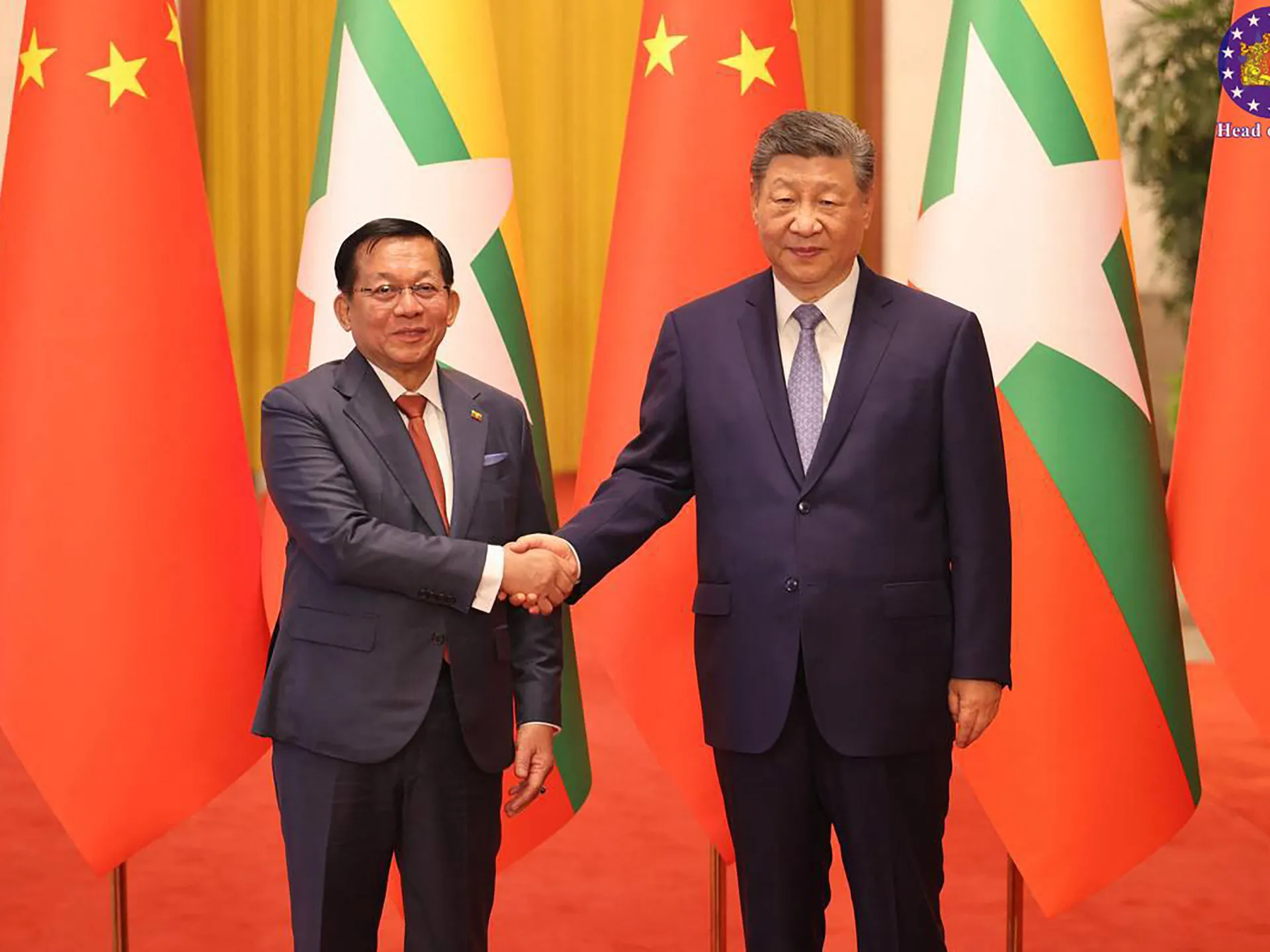
Although China, the world's second-largest economy, will not be present at the summit, its economic influence and market practices are expected to be discussed. Leaders will address issues such as Beijing's significant control over rare earth minerals, which are vital components in modern electronic devices. France has framed macroeconomic imbalances as a shared responsibility, suggesting that China's overproduction, the US's overconsumption, and Europe's underinvestment contribute to global economic disparities. Brazil, India, Kenya, and South Korea are slated to participate in these discussions, and President Macron has urged China to increase its domestic consumption to help rebalance the global economy.
Source: Original Article