
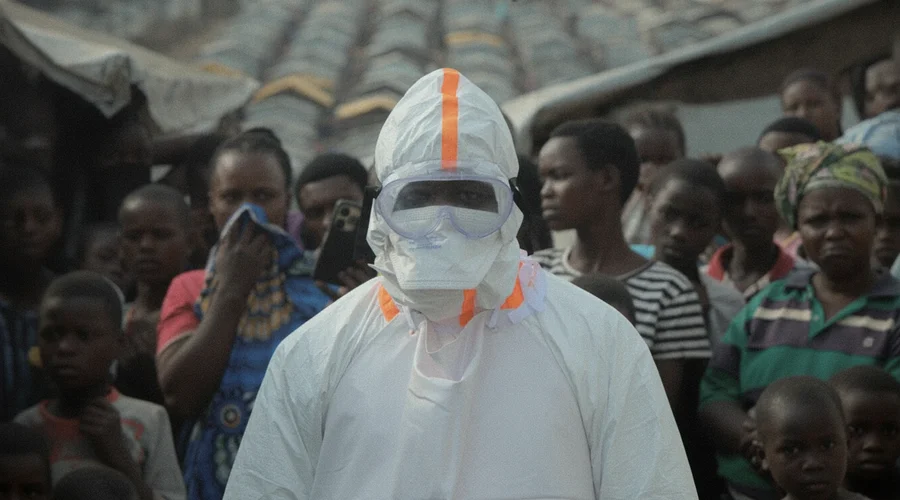
First Ebola Case Confirmed in France
French health officials have announced the confirmation of the nation's inaugural Ebola case in the context of the current outbreak. The individual, identified as a medical professional, recently returned to France after participating in a humanitarian mission in the Democratic Republic of Congo (DRC). The French Health Ministry released a statement on Wednesday, detailing that the healthcare worker had been active in a region where the Ebola virus was actively circulating.
Patient Care and Containment Protocols
According to the ministry's statement, the infected patient is currently receiving specialized medical attention at a prominent healthcare facility. This treatment is being administered under stringent biosafety protocols designed to prevent any potential spread of the virus. Authorities emphasized that all necessary precautionary measures were promptly implemented upon the patient's arrival in France. These measures included immediate isolation, followed by a secure transfer to the hospital, meticulously orchestrated to mitigate any risk of contamination to the wider public.
In response to this development, an extensive epidemiological investigation has been initiated. The primary objective of this investigation is to identify any individuals who may have come into contact with the patient. Once identified, these contacts will be promptly notified by health authorities and instructed to self-isolate for a period of 21 days. This isolation period aligns with the incubation period of the Ebola virus, serving as a crucial step in preventing secondary transmissions.
Ebola Outbreak in the Democratic Republic of Congo
The current Ebola outbreak has its epicenter in the northeastern Ituri province of the Democratic Republic of Congo. Since its emergence in May, the outbreak has had a significant impact on the central African nation, resulting in the deaths of over 260 individuals and infecting more than a thousand people to date. The virus has also been detected in neighboring Uganda, raising concerns about regional spread.
On May 17, the World Health Organization (WHO) elevated the status of this outbreak, declaring it a "public health emergency of international concern." This designation underscores the gravity of the situation and the potential for international spread, necessitating a coordinated global response.
Distinct Strain and Treatment Challenges
A notable characteristic of the current outbreak in the DRC is the specific strain of the Ebola virus responsible. While most previous Ebola outbreaks in the DRC were attributed to the Ebola Zaire strain, this particular outbreak is caused by the Bundibugyo strain. This distinction is significant because, at present, there are no approved vaccines or specific treatments available for the Bundibugyo strain. This lack of targeted medical interventions presents additional challenges for containment and patient care, highlighting the ongoing need for research and development in this area.
The confirmation of a case in France, though managed with strict protocols, serves as a reminder of the interconnectedness of global health and the importance of robust surveillance systems, particularly for individuals returning from regions experiencing significant disease outbreaks. International collaboration remains essential in addressing such public health emergencies and limiting their global impact.
Source: Original Article
Related Articles
 health
Gaza's Diabetes Patients Face Dire Challenges Amidst Conflict-Induced Shortages
 health
Navigating Heatwaves: Essential Strategies for Staying Cool and Addressing Heatstroke
 health
DR Congo's Ebola Crisis Worsens Amidst Conflict and Displacement, Cases Exceed 1,000
 health