
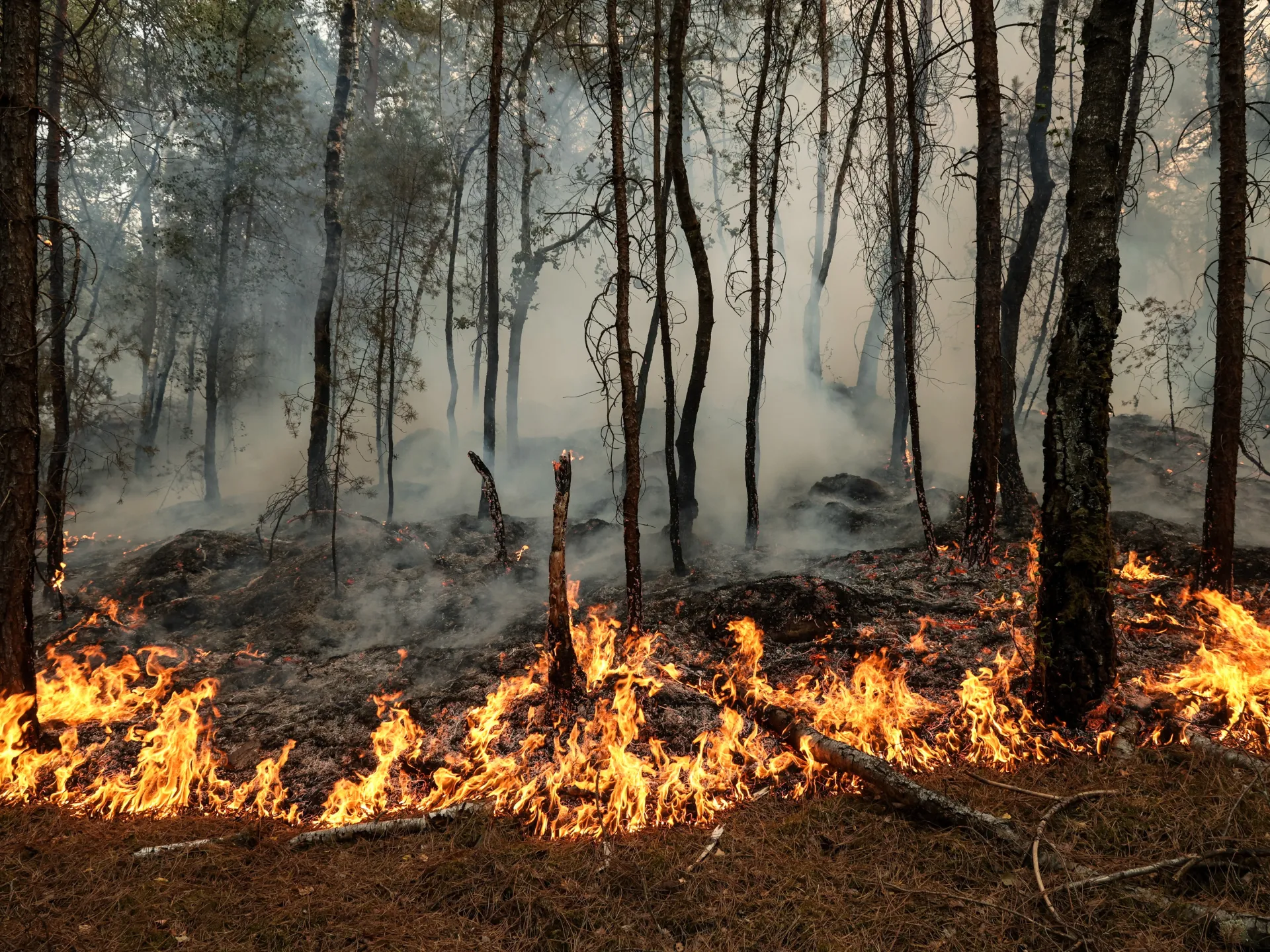
Widespread Wildfires Engulf Fontainebleau Forest
A substantial wildfire outbreak has impacted the historic Fontainebleau forest, situated approximately 60 kilometers (40 miles) southeast of the French capital, Paris. The blazes, which ignited on Sunday, have consumed over 1,300 hectares (approximately 3,200 acres) of land within this former royal hunting estate. The incident has unfolded as France grapples with its third intense heatwave in a mere three months, exacerbating conditions for fire spread and control.
Emergency services, comprising both aerial and ground units, have been working continuously since Monday to contain the fires. Four Canadair aircraft, two Dash planes, and three water-bombing helicopters have been deployed to combat the flames from above, while hundreds of firefighters have been mobilized on the ground. Commander Jean-Marc Sicard, overseeing the rescue operations, reported that approximately 600 firefighters were actively engaged in shifts to manage the situation by Monday night.
Impact on Local Communities and Infrastructure
The rapid progression of the wildfire through the UNESCO biosphere reserve led to considerable disruption. Rail and road networks in the vicinity experienced interruptions, coinciding with a busy long holiday weekend, further complicating travel and emergency response. In response to the immediate threat, around 1,000 individuals residing in and around the Fontainebleau area were evacuated from their homes to ensure their safety.
The Fontainebleau forest, known for its ecological significance and historical ties as a royal hunting ground, is a crucial natural asset. Its designation as a UNESCO biosphere reserve underscores its importance, making the current devastation particularly concerning from an environmental perspective.
Broader Context of Extreme Weather in France
The wildfires near Paris are part of a larger pattern of extreme weather events currently affecting France. The nation has been enduring a series of heatwaves, with multiple fires reported across various regions over the past week. This recurring phenomenon aligns with scientific observations indicating an increased frequency of extreme weather occurrences globally, a trend often attributed to human-induced climate change.
The human toll of these climatic events has been significant. Official statistics reveal a tragic increase in mortality rates during recent heatwaves, with over 2,000 excess deaths recorded during the June heatwave and an additional 300 during the high temperatures experienced in late May. These figures highlight the severe public health implications of sustained periods of extreme heat.
Julien Marion, the director general of civil security, provided an update on Friday, stating that wildfires have collectively scorched an estimated 25,000 hectares (61,800 acres) of land across France since the beginning of the year. This cumulative damage underscores the pervasive and destructive nature of the current fire season.
Outlook and Continued Vigilance
Forecasters from Meteo-France anticipate that high temperatures are likely to persist through France's Bastille Day national holiday on Tuesday, suggesting that the challenging conditions for firefighting and public safety are set to continue. The prolonged heat and dry conditions contribute to a heightened risk of further fire ignitions and the rapid spread of existing blazes.
The ongoing situation demands sustained efforts from emergency services and continued vigilance from the public. The combination of historical significance, ecological value, and the direct impact on human lives and infrastructure makes the Fontainebleau wildfire a poignant illustration of the broader environmental challenges facing France and other regions susceptible to the effects of a changing climate.
Source: Al Jazeera
Related Articles
 environment
UK Experiences Significant Mortality Increase During Early Summer Heatwaves
 environment
Typhoon Bavi Strikes China's Eastern Shore, Prompting Mass Evacuations
 environment
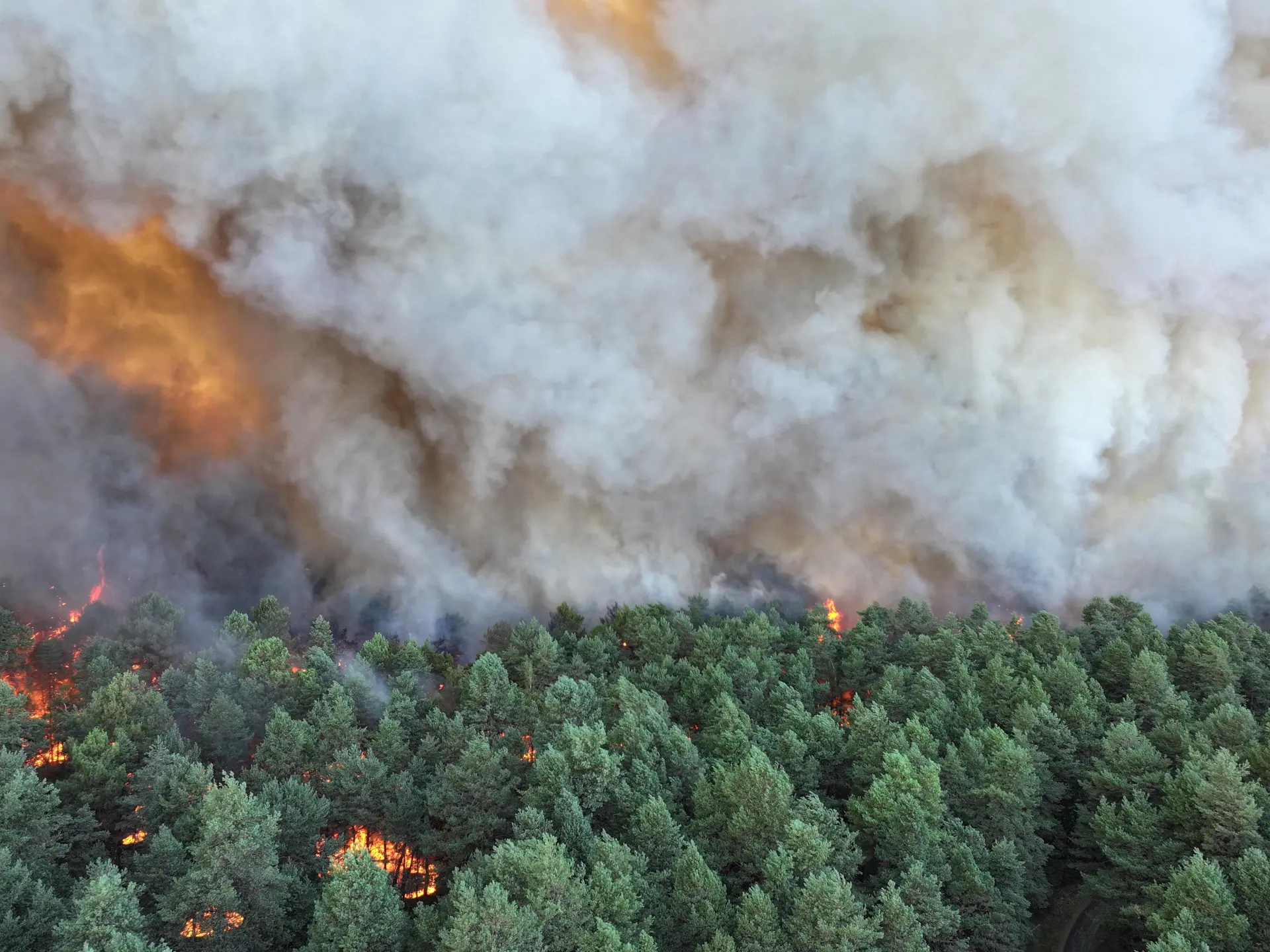
Wildfires Near Paris Lead to Evacuations and Transport Disruptions Amidst Heatwave
 environment