
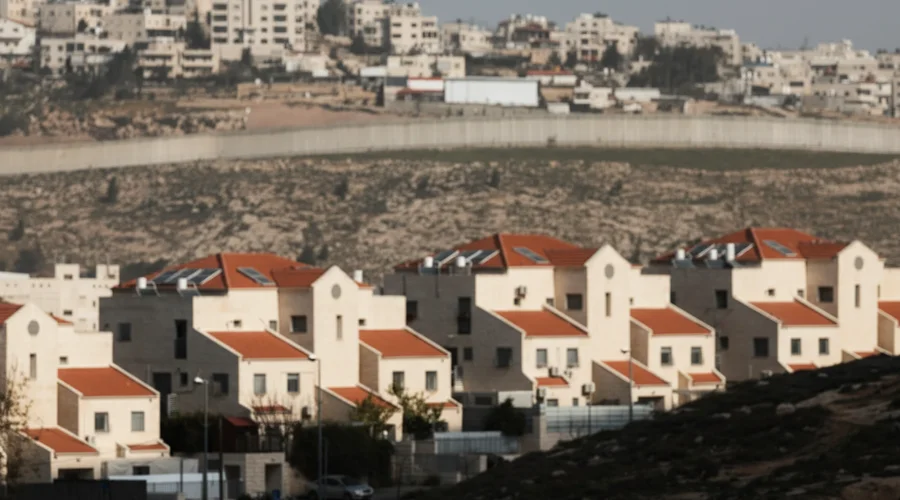
EU Ministers Convene to Address West Bank Settlement Trade
Foreign ministers from across the European Union have gathered in Brussels to engage in discussions regarding the potential implementation of sanctions on trade from Israeli settlements located in the occupied West Bank. This meeting comes amidst growing calls from various EU member states for such measures, intensified by a recent surge in violence perpetrated by Israeli settlers against Palestinians and their property, alongside the continued expansion of Israeli settlements, which are considered unlawful under international law.
A senior EU diplomat indicated that the European Commission has prepared a document outlining various potential strategies. Reuters reported that a range of options are under consideration, including an import licensing system, the application of prohibitive tariffs, or an outright ban on goods from these settlements. Kaja Kallas, the EU's foreign policy chief, articulated the prevailing sentiment at the meeting's commencement, stating, "Everybody agrees that the situation in the West Bank is really intolerable." She further emphasized the detrimental impact of the ongoing developments, noting, "What is happening in the West Bank is actually making it more and more impossible that the two-state solution ever can come into effect."
Exploring Options and Overcoming Divisions
While a definitive decision on specific measures was not anticipated during the current meeting, diplomats suggested that the discussions would serve to gauge the level of support for moving forward with any particular action. A diplomat, speaking anonymously to Reuters, commented, "I think what you will see on Monday is a discussion on the options, and we will get a bit of a picture of where everybody is."
A significant point of contention within Brussels revolves around whether any punitive action would necessitate unanimous approval from all 27 member states or if a weighted majority would suffice. Some diplomatic sources have indicated that a ban on trade with Israeli settlements could potentially be enacted with a qualified majority, requiring the support of at least 15 EU states representing 65 percent of the bloc's population. However, the Commission's internal document reportedly suggests that a complete ban might require unanimous consent, a threshold that the bloc would likely find challenging to meet.
There is also a divergence of opinion among member states regarding the severity of potential sanctions. Countries like Spain, Ireland, and Belgium have advocated for stringent penalties in response to Israel's settlement policies. In contrast, nations such as Germany and Italy have yet to commit to a firm position on such a course of action. Kallas acknowledged the considerable interest from member states, stating, "There have been a lot of asks and requests from the member states regarding the ban of the trade with illegal settlements." She expressed hope that the proposed options might garner stronger support from member states moving forward.
The Legality of Settlements and International Perspectives
The West Bank has been under Israeli occupation since 1967. Over 500,000 Israeli settlers reside in this territory, excluding occupied East Jerusalem, alongside approximately three million Palestinians. In July 2024, the International Court of Justice (ICJ) issued an advisory opinion declaring Israel's occupation of Palestinian lands and its settlements in the West Bank to be illegal. The ICJ further recommended that states should take measures to prevent trade or investment relationships that contribute to maintaining this situation.
In line with this international perspective, Ireland, the Netherlands, and Spain have already implemented their own trade restrictions concerning Israeli settlements. Israel, however, disputes these characterizations, asserting that the territory is contested and emphasizing a historical Jewish presence in the area spanning thousands of years.
Source: Original Article
Related Articles
 world
world
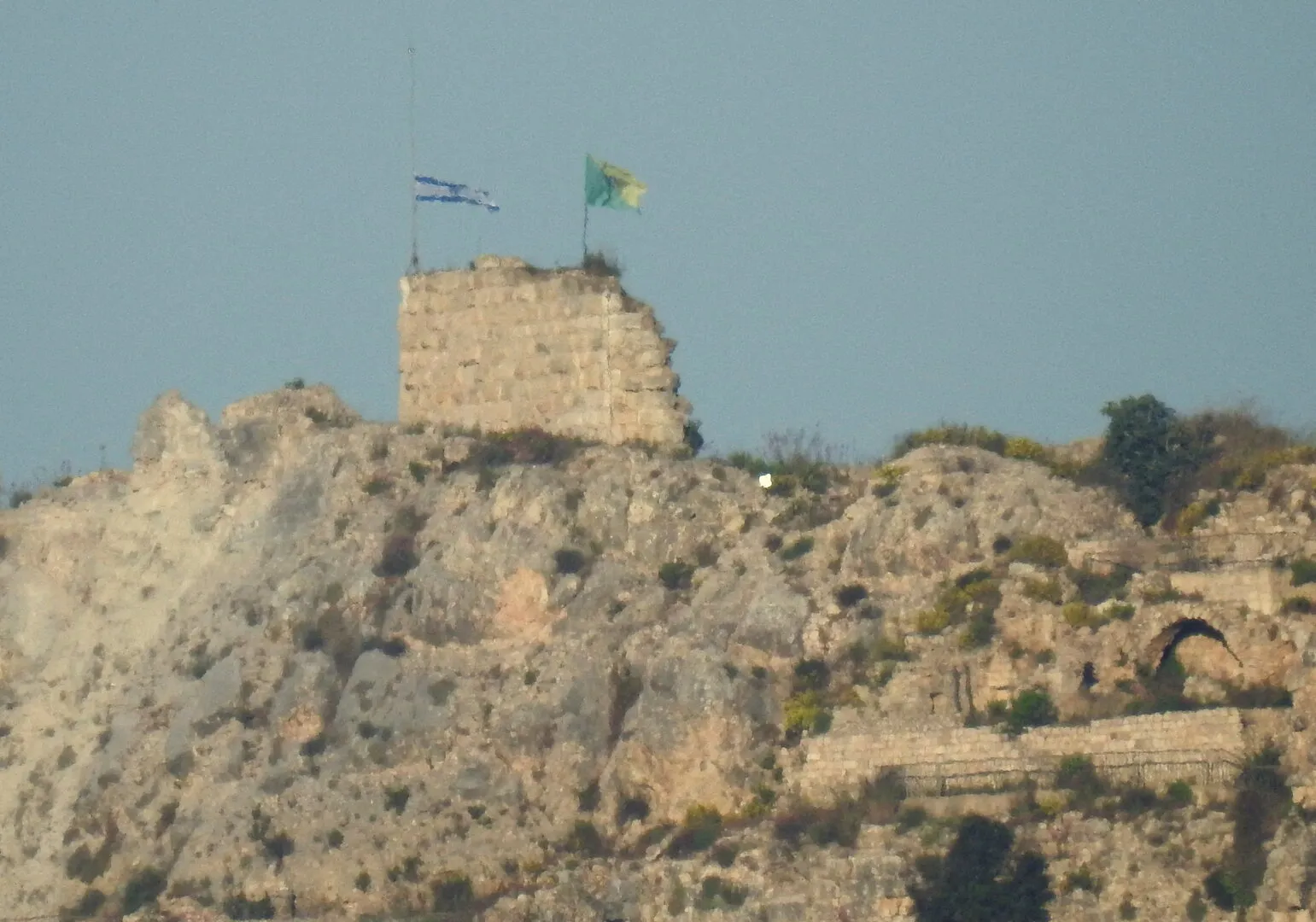
Israeli Army Unveils Footage of Subterranean Tunnels Beneath Lebanon's Beaufort Castle
 world
world
Elderly Palestinian Recounts Assault by Israeli Settlers in West Bank
 world
world
Escalating Tensions: Iran Targets US Military Installations in Middle East
 world
world