
Reported Assault in Masafer Yatta
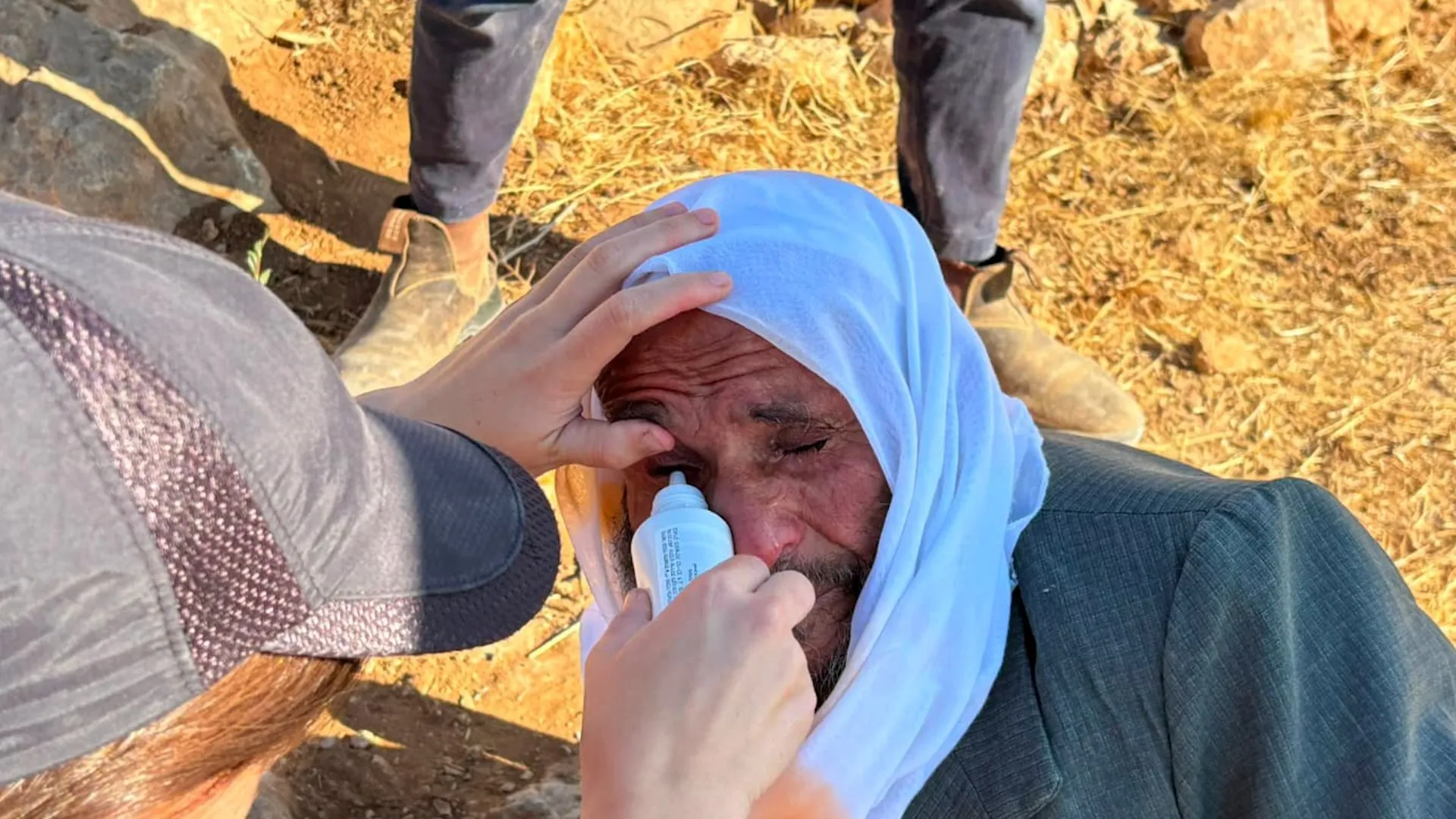
In a recent incident in the Hawara area of Masafer Yatta, located in the Occupied West Bank, an elderly Palestinian man, identified as Ibrahim Ismail al-Jabour, 79, has described being subjected to an assault. The reported incident also involved several members of his family, according to accounts.
The events reportedly unfolded in a manner that led to injuries among various family members. The nature of these injuries has been detailed to include physical altercations and the deployment of pepper spray. The family members affected by the alleged assault reportedly included women and children, indicating a broad impact on the household.
Details of the Alleged Incident
Mr. al-Jabour's account paints a picture of a confrontation with Israeli settlers. While the precise sequence of events leading up to the alleged assault remains under scrutiny, the aftermath, as described, involved physical violence and the use of chemical irritants. The location of the incident, Masafer Yatta, is a sensitive area within the Occupied West Bank, frequently a point of contention and reports of clashes between Palestinian residents and Israeli settlers.
The region has been a focal point for international attention due to ongoing disputes over land and settlement expansion. Such incidents often contribute to heightened tensions in an already volatile environment, raising concerns about the safety and security of Palestinian communities residing in these areas.
The Broader Context of Tensions in the West Bank
The Occupied West Bank is a territory with a complex political and social landscape. It has been under Israeli occupation since 1967, and the presence of Israeli settlements is a major point of contention in the Israeli-Palestinian conflict. International law largely considers these settlements illegal, though Israel disputes this interpretation.
Reports of clashes and confrontations between Palestinian residents and Israeli settlers are not uncommon. These incidents can range from disputes over land and resources to more direct physical altercations. The humanitarian impact on Palestinian communities, particularly those in vulnerable areas like Masafer Yatta, is a recurring theme in reports from human rights organizations and international observers.
The daily lives of Palestinians in these areas are often characterized by significant challenges, including restrictions on movement, access to resources, and the constant presence of security forces and settlers. The psychological toll of living under such conditions, coupled with the threat of violence, is a significant concern.
Responses and Implications
Incidents such as the one described by Mr. al-Jabour often elicit strong reactions from various stakeholders. Palestinian officials and advocacy groups typically condemn such actions, calling for international protection for Palestinian civilians and accountability for perpetrators. They frequently highlight these events as evidence of systematic human rights abuses and the need for a more robust international response to the occupation.
On the other hand, Israeli authorities and settler organizations often present differing narratives, sometimes citing security concerns or land ownership disputes as the basis for their actions. Investigations into such incidents can be complex and are often met with skepticism from both sides, leading to difficulties in achieving consensus on facts and accountability.
The long-term implications of such events contribute to a cycle of distrust and animosity, making efforts towards peace and resolution even more challenging. The international community, including organizations like the United Nations, frequently calls for de-escalation, respect for human rights, and adherence to international law in the Occupied Palestinian Territories.
The reported assault on Mr. al-Jabour and his family serves as a stark reminder of the ongoing human impact of the conflict in the West Bank and the urgent need for a resolution that prioritizes the safety and dignity of all individuals in the region.
Source: Al Jazeera
Related Articles
 world
world
Israeli Army Unveils Footage of Subterranean Tunnels Beneath Lebanon's Beaufort Castle
 world
world
Escalating Tensions: Iran Targets US Military Installations in Middle East
 world
world
Sheikh Hamad bin Khalifa Al Thani's Legacy: A Defining Stand for Gaza
 world
world